
Things To Do
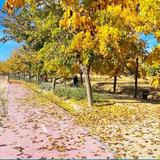
Parque Europa (Lucena)
Beautiful park in Lucena. It is located near the old train station, which has now been converted into a café and walking trail.
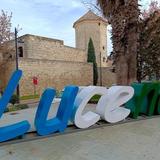
Castillo del Moral (Lucena)
The Castle of Moral, also known as the Castle of Lucena, is a military fortress located in the Spanish municipality of Lucena, in the province of Córdoba. It is situated in the historic center of the city, close to the Church of San Mateo, Plaza de España, and the municipal market. The castle is one of Lucena’s main historical landmarks and currently houses cultural and museum spaces.
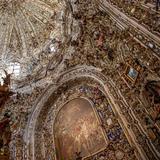
Parroquia de San Mateo (Lucena)
The Parroquia de San Mateo is the main religious building in Lucena and one of the most significant examples of Gothic-Renaissance architecture in the province of Córdoba. Built on the site of a former mosque, it occupies a central position in the historic center next to Plaza Nueva. The church has played a key role in the religious, social, and cultural life of the city for centuries.
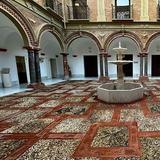
Palacio de los Condes de Santa Ana (Lucena)
The Palacio de los Condes de Santa Ana is an 18th-century noble residence that reflects the aristocratic architecture of Lucena during its period of economic prosperity. Originally conceived as a private palace, it now functions as a cultural center hosting exhibitions, conferences, and institutional events. It is considered one of the most important examples of civil architecture in the city.
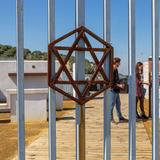
Necrópolis Judía (Lucena)
The Necrópolis judía de Lucena is a medieval burial site that provides evidence of the significant Jewish presence in the city during the Middle Ages. It is one of the most important Sephardic archaeological sites in Spain. Lucena was historically recognized as a major center of Jewish culture, administration, and learning in Al-Andalus.
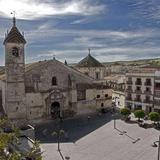
Plaza Nueva (Lucena)
The historic center of Lucena is structured around Plaza Nueva and the area known as El Coso. It preserves a traditional Andalusian urban layout combining civic, religious, and commercial spaces. This area concentrates much of the city’s historical heritage and continues to function as a central hub of social and economic activity.
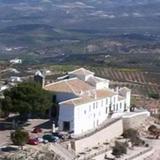
Real Santuario de María Santísima de Araceli (Lucena)
The Santuario de Nuestra Señora de Araceli is a religious complex located on the Sierra de Aras, overlooking the city of Lucena and its surrounding countryside. It is the principal devotional center of the region and is dedicated to the city’s patron saint. In addition to its religious importance, the sanctuary is notable for its panoramic views and its role in local traditions and pilgrimages.
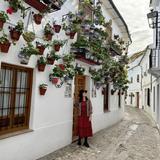
Priego de Córdoba
Considered the capital of Cordoban Baroque; notable for its historic Barrio de la Villa, the Balcón del Adarve viewpoint, and an exceptional concentration of Baroque churches and fountains.
Iznájar
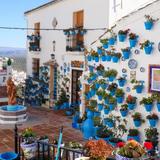
A hilltop town overlooking one of the largest reservoirs in Andalusia; known for its elevated old town, castle, scenic viewpoints, and surrounding natural landscape.
Zuheros
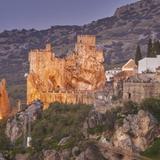
A small mountain village considered one of the most beautiful in Andalusia; known for its dramatic rock-top castle, whitewashed historic center, and the nearby Cueva de los Murciélagos, one of the most important prehistoric sites in southern Spain.
Luque
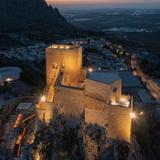
A historic town with medieval origins, characterized by its castle remains, traditional Andalusian urban fabric, and its historical connection to regional railway development and olive oil production.
Parque natural de las Sierras Subbéticas
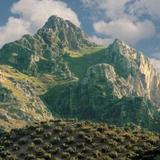
A protected natural area defined by limestone mountain ranges, karst formations, dolines, viewpoints, and hiking trails; internationally recognized for its high geological, ecological, and landscape value.
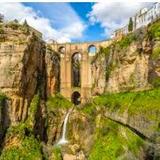
Ronda
Beautiful nearby town with a famous stone bridge over a gorge that separates the city’s circa-15th-century new town from its old town, dating to Moorish rule. 1.5 hour drive from Lucena with bus options available to get you here as well.
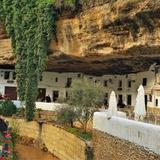
Setenil de las Bodegas
Another beautiful Spanish town nearby. It’s known for its whitewashed houses built into the surrounding cliffs. The town's hilltop castle was once an Arab fortress. Torreón del Homenaje tower offers views of the town and countryside. Located 30 minutes from Ronda. I recommend a day trip to visit both Ronda and Setenil de las Bodegas in the same day as they are both pretty small. Setenil de las Bodegas is smaller than Ronda and requires less time. Both are accessible by bus or car.
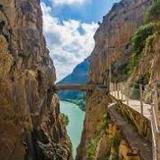
Caminito del Rey - Acceso Norte
For the hikers, this is a beatiful and relatively flat hike just over an hour drive from Lucena. Tickets are required and the walk takes you into a canyon on a path with bridges that are attached to the canyon walls. The total length of the Caminito del Rey trail is approximately 7.7 kilometers (about 4.8 miles).
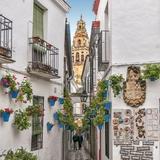
La Judería (Córdoba)
A network of narrow streets and whitewashed houses that preserves the medieval Sephardic legacy; includes the Synagogue of Córdoba and represents one of the most significant Jewish quarters in Spain.
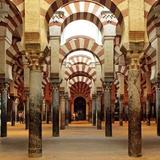
Mezquita-Catedral de Córdoba (Córdoba)
The most iconic monument in the city and the absolute center of the historic district; a unique architectural complex combining Islamic and Christian elements.
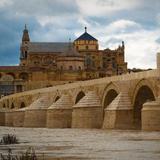
Puente Romano de Córdoba
A historic bridge over the Guadalquivir River that has served as the main southern entrance to the city since Roman times.
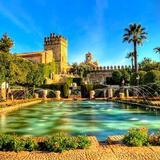
Alcázar de los Reyes Cristianos (Córdoba)
A fortified palace with extensive gardens, towers, and defensive walls; closely associated with the Catholic Monarchs and key events of Spanish history.
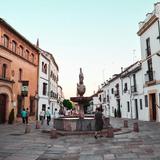
Plaza del Potro (Córdoba)
A traditional civic square with historical relevance, linked to popular life and literary references in Spanish culture.
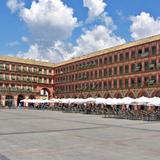
Plaza de la Corredera (Córdoba)
One of the few rectangular main squares in Andalusia, historically used for markets, public events, and social gatherings; still an active urban space today.
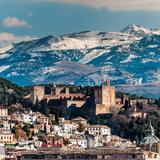
Granada
Mary's favorite city in Spain. A 1.5 hour drive from Lucena, it's famous for the Alhambra, is where tapas started, flamenco dancing, cave houses, white houses in the hills of Sacromonte, the Sierra Nevada mountains, need we say more?
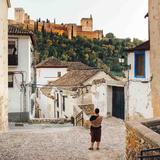
Albaicín (Granada)
The oldest district of Granada, preserving its original Islamic urban layout with narrow streets, whitewashed houses, and numerous viewpoints overlooking the Alhambra.
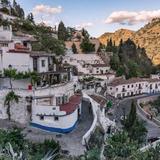
Sacromonte (Granada)
A historic hillside neighborhood known for its cave dwellings, flamenco traditions, and strong Romani cultural heritage.
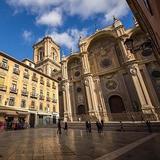
Catedral de Granada
A major Renaissance monument symbolizing the Christian reconquest of the city and the political power of the Catholic Monarchs.
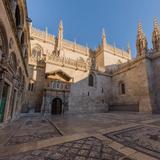
Capilla Real de Granada
The burial place of the Catholic Monarchs, located next to the cathedral; a site of major historical and symbolic importance.
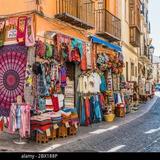
Calle Elvira (Granada)
A traditional street that marks the cultural transition between the city center and the Albaicín, historically associated with Andalusi and North African influences.
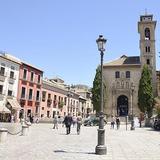
Plaza Nueva (Granada)
One of the oldest squares in Granada, serving as a central urban hub connecting the historic center with the Albaicín.
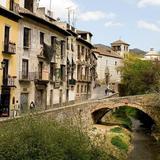
Carrera del Darro (Granada)
One of the most scenic streets in the city, running alongside the Darro River and lined with historic buildings at the foot of the Alhambra.
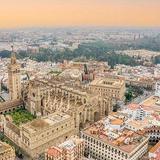
Sevilla
Historic Center (One of the Largest in Europe)
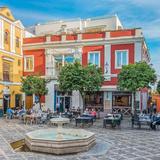
Santa Cruz (Sevilla)
Santa Cruz Quarter: The former Jewish quarter of Seville, characterized by narrow streets, interior courtyards, small squares, and a strong historic atmosphere.
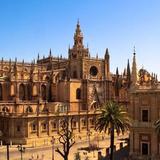
Catedral de Sevilla
One of the largest Gothic cathedrals in the world and the symbolic heart of the city, built on the site of a former mosque. The Tomb of Christopher Columbus (Cristóbal Colón) is located inside the cathedral. There is also a tower you can climb that offers beautiful views of the city. Keep in mind, women are required to cover their shoulders to enter.
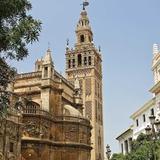
La Giralda (Sevilla)
The iconic bell tower of Seville Cathedral, originally constructed as a minaret during the Almohad period and later adapted for Christian use. Access to the tower is through the cathedral, and the ascent to the top offers panoramic views of the city.
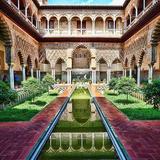
Real Alcázar de Sevilla
A living palace complex of Islamic origin, expanded over centuries and blending Mudéjar, Gothic, Renaissance, and Baroque architectural styles. The complex features stunning architecture and gardens, and served as a filming location for several scenes from Game of Thrones.
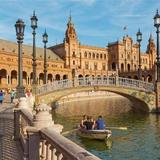
Plaza de España (Sevilla)
A monumental square built for the Ibero-American Exposition of 1929, showcasing early 20th-century architecture and urban planning. Considered one of the most beautiful plazas in Spain, it borders a lush park and has served as a filming location for Star Wars.
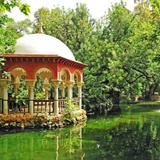
Parque de María Luisa (Sevilla)
Seville’s main public park, featuring landscaped gardens, fountains, and historic pavilions.
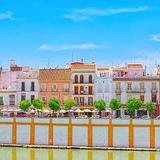
Triana (Sevilla)
A historic neighborhood on the west bank of the Guadalquivir River, known for its strong local identity, traditional ceramics, and deep-rooted flamenco culture.