

While in Rio…

Christ the Redeemer
Christ the Redeemer (Cristo Redentor) One of the most iconic landmarks in the world, Christ the Redeemer sits at the top of Corcovado Mountain and offers breathtaking panoramic views of Rio de Janeiro. It’s truly a must-see for first-time visitors. We recommend going early in the morning to avoid crowds and enjoy clearer views. Tickets can be purchased online in advance, and you can reach the statue by train, official vans, or Uber to the visitor center. We recommend taking the train, sit on the right side if you can so you can enjoy the views. Don’t forget sunscreen, comfortable shoes, and your camera!

Sugarloaf Mountain
Sugarloaf Mountain (Pão de Açúcar) Another one of Rio’s most iconic landmarks, Sugarloaf Mountain offers stunning 360° views of the city, Guanabara Bay, and the surrounding beaches. Visitors reach the top by taking two scenic cable cars, making the journey just as memorable as the destination. We recommend visiting around sunset, when the views are especially beautiful. Tickets can be purchased online in advance, and it’s a great spot for photos and taking in the incredible scenery of Rio.

Jardim Botânico - Botanical Garden
The Jardim Botânico do Rio de Janeiro is a historic botanical garden founded in 1808, known for its vast collection of plants, including the famous Imperial Palms, and its beautiful landscapes. It's a popular spot for both tourists and locals, featuring themed gardens, greenhouses, and walking paths, and is open daily except Wednesdays (when it opens at 11 am). Visitors can explore on foot or via electric carts, with options for guided tours, and should expect to pay an entrance fee, with discounts available.

Parque Lage
While at Jardim Botanico, you should check out Parque Lage. Parque Lage is a historic public park in Rio de Janeiro, known for its stunning mansion, lush gardens, and trails at the foot of Corcovado mountain, offering a mix of nature and culture with free entry. The mansion, now home to the Visual Arts School, features a central courtyard with a pool, while the park includes walking paths, caves, lakes, and is a starting point for hikes into Tijuca National Park, with opportunities to see monkeys and toucans.
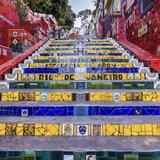
Escadaria Selarón - Selarón Steps
The Selaron Steps are a tourist favorite for instagrammable images, and in my opinion a must-visit even if you’re not interested in photos. Once a diminishing staircase, the rainbow steps were decorated with tiles by a Chilean traveler who moved to Brazil. He began with the colors of Brazil and Chile, then other travelers came and provided unique tiles from their home country. Therefore if you look closely you’ll notice cultural images from around the world represented. It’s pretty amazing to see and the staircase has become a central space for tourists drinking, dancing and eating.

Copacabana Fort (Army History Museum and Copacabana Fort)
Located at the southern end of Copacabana Beach, the Forte de Copacabana is a historic military fort that offers some of the most beautiful views in Rio de Janeiro. Originally built in the early 20th century to protect the city’s coastline, the fort is now home to a military museum, scenic walking paths, and the famous café Confeitaria Colombo – Forte de Copacabana. We highly recommend going to confeitaria Colombo for breakfast. Visitors can explore the historic bunkers, see original cannons overlooking the ocean, and enjoy breathtaking views of Copacabana, Sugarloaf Mountain, and the Atlantic. It’s a perfect spot for a morning stroll, a relaxed coffee with a view, or to take in one of Rio’s most iconic coastal panoramas.