

Things To Do
Bairro Alto
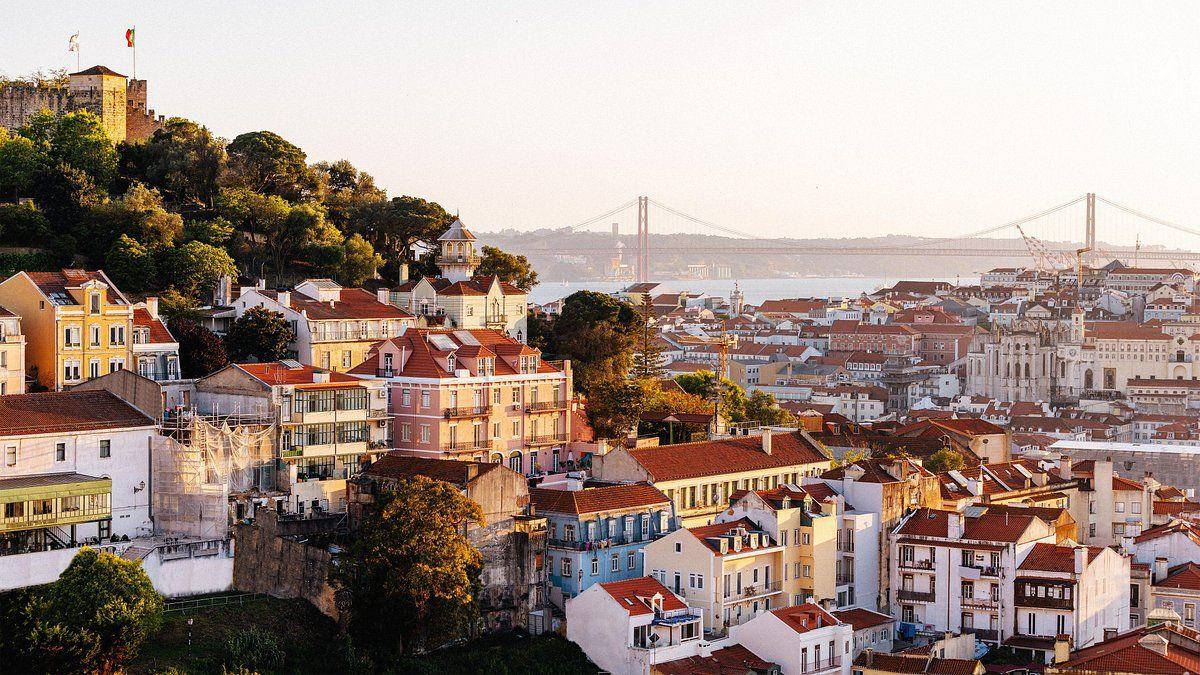
Home to art galleries and a historic monastery (Convento do Carmo), Bairro Alto is one of the busiest districts of Lisbon after dark. Locals and travelers pack its narrow streets to hang out outside the area’s countless bars. Try ginjinha, a local liqueur, as you listen to live fado music. During the day, you can stroll through the neighborhood's narrow streets and check out the quaint boutiques and cafes. To get to Bairro Alto, take the eye-catching Glória Funicular at Liberdade Avenue. It’ll drop you off at the São Pedro de Alcântara viewpoint, where you'll get commanding views of the city. Sleepy during the day but transforms into an open-air party at night with hundreds of tiny bars spilling into the streets.
Chiado
The city's "cooler sibling" district, known for high-end shopping, elegant historic cafes like Café A Brasileira, and a vibrant mix of old and new architecture.
Baixa
The flat downtown core, rebuilt after the 1755 earthquake in a grid layout. It is perfect for families and groups needing easy logistics and close proximity to major transit hubs like Rossio Station.
Graça
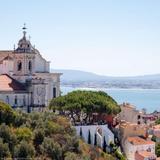
Graça: Perched on a high hill, this neighborhood maintains a strong sense of local community with traditional pastry shops and narrow streets where the iconic Tram 28 still trundles through.
Alfama
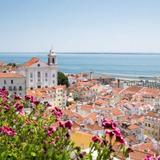
Explore the Almafa District. Wander the oldest, labyrinthine streets filled with Fado music. Note: It is very hilly and largely inaccessible to cars, making it challenging for those with mobility issues or heavy luggage.
Praça do Comércio
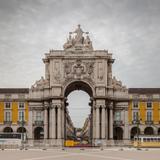
One of Lisbon’s most emblematic squares is Praça do Comércio. Better known by locals as Terreiro do Paço, since it was once where the paço, or palace, used to stand before the earthquake in 1755, it is one of the largest squares in Europe. If you visit one place, this is a must! As a symbol of the city, it provides access to various attractions that mustn’t be missed: Pátio da Galé; Cais das Colunas; and the innovative Lisbon Story Centre. You should also climb up the Arco da Rua Augusta to marvel at the symmetry of the streets, the calçada portuguesa and the view of the river. Take a rest at the feet of King José I and the imposing horse Gentil, a statue sculpted by Machado de Castro which so well illustrates royal power and the nobility of the Lusitano breed. Make Praça do Comércio your starting point for discovering the city.
Time Out Market
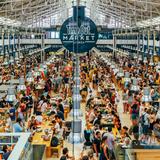
A massive food hall in Cais do Sodré featuring some of Lisbon's best chefs and local favorites under one roof. You have to see this!
Cais do Sodre
Waterside Cais do Sodré is a buzzing nightlife and dining destination. The food court in the 19th-century Mercado da Ribeira is a focal point, with eclectic food stalls offering both international fare and local culinary specialties. Traditional Fado music wafts from the restaurants and the bars along “Pink Street.” The Ribeira das Naus promenade, on the banks of the Tagus, is popular in warm weather.

Pink Street
Officially called Rua Nova do Carvalho, this small pedestrian street is better known as “Pink Street” since 2013, when an urban renewal project painted the pavement between the terraces, bars and clubs in pink. It has become Lisbon’s hottest destination at night, and is also often used as an open-air art gallery.

Tram 28
Vintage trams take passengers on a scenic trip from the city center at sea level up through the narrow maze of streets towards St. George Castle.

Avenida da Liberdade
Often called Lisbon’s "Champs-Élysées," this grand tree-lined boulevard is home to 5-star hotels (like the Tivoli Avenida Liberdade) and international designer boutiques.
Arco da Rua Augusta
The Arco da Rua Augusta (Rua Augusta Arch) is a 30-meter-high triumphal arch in Lisbon connecting Rua Augusta to the Praça do Comércio, commemorating the city's 1755 post-earthquake reconstruction. It features statues of historical figures like Vasco da Gama, offering visitors a 360-degree panoramic viewing platform of the Baixa district and Tagus River.
Miradouro de São Pedro de Alcântara
This sizable, landscaped terrace with a fountain offers panoramic views of the city.
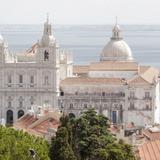
Mosteiro de São Vicente de Fora
The Monastery of São Vicente de Fora (St. Vincent Outside the Walls) is one of the most important historical buildings in the city of Lisbon. It was founded by the first Portuguese king, in the 12th century. Over the centuries, several kings have introduced many changes, including the rebuilding in the 16th century. Today it is still possible to see the original cistern, as well as the cloisters, decorated with tiles from the 18th century, being of special interest the collection that depicts the fables of LaFontaine. The Monastery also houses the Pantheon of the last Portuguese dynasty, the Braganza, and a very well decorated Sacristy. At the end of the visit you can go up to the rooftop of the church and enjoy one of the best views over the Tagus river and the city.
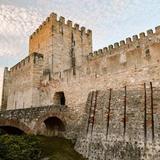
Castelo de São Jorge
Moorish castle offering panoramic views of Lisbon.
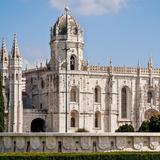
Jerónimos Monastery
A stunning UNESCO World Heritage site representing Manueline architecture.
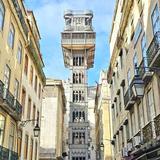
Santa Justa Lift
An iron elevator offering stunning city views.
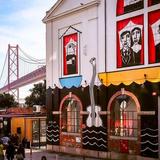
Lx Factory
LX Factory: A revitalized industrial area filled with shops, cafes, and art.
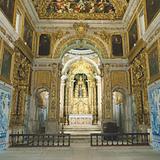
Museu Nacional do Azulejo
Displays the history of Portugal's iconic ceramic tiles.
Sea Me Peixaria Moderna
We went to this restaurant on our first trip to Portugal. We absolutely LOVED their sardine nigiri, octopus hotdog, and their delicious oysters! For the foodies out there.

O Momento - Casa de Empanadas
Little hole in the wall with the BEST empanadas in the city!
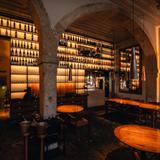
Alma
This two-Michelin-starred fine dining restaurant offers a refined gastronomic journey with a focus on authentic Portuguese flavors in a sophisticated setting.
Taberna Sal Grosso
A highly popular, small tavern in Alfama that serves "honest" and delicious traditional Portuguese dishes. Reservations are required due to limited seating.
Versículo d'O Faia
We went to this restaurant on Valentine's Day of 2025. Romantic atmosphere - intimate and tasty hole in the wall (but fancy)!
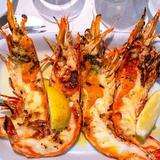
Cervejaria Ramiro
An iconic Lisbon seafood hall celebrated for its incredibly fresh shellfish and lively atmosphere. Diners can enjoy giant tiger prawns and finish with a traditional steak sandwich. It is best to visit when it is quiet for the best service.
O Corrido – Casa de Fado
A family-owned fado house that offers an authentic and intimate experience with quality musicians and top-quality traditional Portuguese food. Diners praise the delicious octopus with potatoes and the warm, welcoming atmosphere.

Solar dos Presuntos
A true Lisbon classic restaurant in Avenida da Liberdade known for its high-quality seafood, traditional Portuguese dishes, and impressive wine list. It has been an institution in the city since 1974.
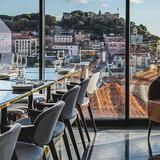
Via Graça
An elegant, high-end place serving refined Portuguese classics with panoramic city views. It is an excellent choice for a fancy meal with a view.
Uma Marisqueira
Widely known for serving the best seafood rice in the city in a cozy, trendy atmosphere.
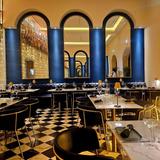
Aires Estoril
An authentic Argentinian steakhouse offering some of the best meat in Portugal, including delicious empanadas and sirloin steak. Restaurant in Estoril, Portugal (where our venue is located)!
Seen Sky Bar
Perched on the Tivoli Avenida Liberdade, it provides panoramic skyline views and a stylish, high-energy environment with weekend DJs.
Cinco lounge
A stylish Chiado destination known for high-quality cocktails and a moody atmosphere. It is ideal for groups or those wanting custom-made drinks tailored to their tastes.
Park Rooftop
A "hidden gem" located on the top floor of a Bairro Alto parking garage. It is famous for its lush greenery, 25 de Abril Bridge views, and relaxed sunset vibe.
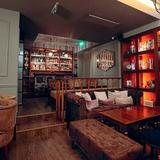
Red Frog (Cocktail Bar)
Ranked among the world's best, this speakeasy requires a doorbell ring to enter its prohibition-era cellar. It uses modern techniques like rotovaps for inventive seasonal drinks.
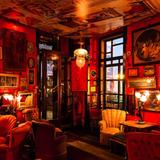
Foxtrot (Cocktail Bar)
A long-standing art nouveau-inspired cellar bar with an outdoor garden, known for professional service and a cozy, romantic setting.
Pavilhão Chinês (Bar)
An extraordinary "museum-bar" filled with thousands of antiques, toys, and curiosities across several ornate rooms.
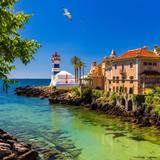
Cascais
Cascais is a charming, upscale coastal town just 30–40 minutes from Lisbon, perfect for a day trip or a relaxing getaway. Renowned as the "Portuguese Riviera," it boasts beautiful sandy beaches (like Praia da Rainha), a marina, fresh seafood, and a quaint, walkable historic center. We recommend visiting this town in Portugal for a day trip. We went here last time we were in Portugal and had a blast exploring.

Sintra
Sintra is a resort town in the foothills of Portugal’s Sintra Mountains, near the capital, Lisbon. A longtime royal sanctuary, its forested terrain is studded with pastel-colored villas and palaces. The Moorish- and Manueline-style Sintra National Palace is distinguished by dramatic twin chimneys and elaborate tilework. The hilltop 19th-century Pena National Palace is known for a whimsical design and sweeping views. We recommend visiting this town in Portugal for a day trip.