Krystina & Brian


Explore Nashville

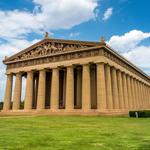
The Parthenon
Before it became known for country music, Nashville used to have a reputation for higher learning. It offered the largest number of colleges and universities in Tennessee and was sometimes referred to as “the Athens of the South.” In 1897, builders decided to run with that nickname and raise a full-scale replica of the Parthenon right in the middle of Nashville.
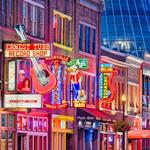
Broadway
Our favorite bar is Tootsie's - great music, three floors of amazing music, and a rooftop bar!
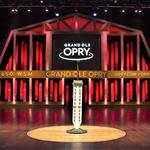
Grand Ole Opry
Go for a tour - this is a place with so much history and incredible stories to hear.
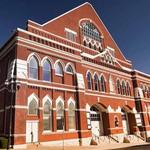
Ryman Auditorium
Go visit the mother church and take a tour backstage to learn about the famous people who have walked that stage and the history throughout the building. If you can, catch a show - every seat is great!

Cumberland Park
The park sits right on the riverfront; you can even take a stroll down the famous pedestrian bridge that stretches across the water.
Nashville Zoo at Grassmere
Located about 6 miles south of downtown Nashville, the zoo we know today was a standard farm home in the 1800’s on a land that was later donated to the city by the Croft family. The standard home, that paved way for the country’s 9th largest zoo, still stands on the property and available for tours. There are approximately 3,000 animals in total, that represent about 350 different species.
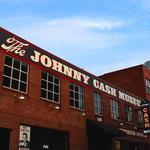
The Johnny Cash Museum & Cafe
Go learn the fascinating history of Johnny Cash and his impressive career.

Country Music Hall of Fame and Museum
The Country Music Hall of Fame and Museum, located in downtown Nashville, has been called the “Smithsonian of country music,” celebrated for its broad cultural impact, educational mission, and unrivaled collection of historically important artifacts. Launched in 1967 on Nashville’s Music Row, the museum opened its current downtown location in 2001, and in 2014, unveiled a $100 million expansion that doubled its footprint.
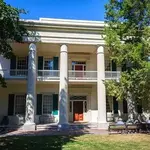
Andrew Jackson’s Hermitage
As the home of former president Andrew Jackson, it’s a stunning example of grandiose, plantation-style architecture, and it’s been carefully preserved as a testament to the way that wealthy Nashville residents used to live.
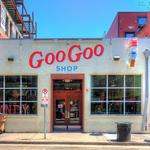
Goo Goo Chocolate Co
In 1912, in a copper kettle at the Standard Candy Company at Clark & First Avenue in Nashville, TN, America's first combination candy bar was invented. A roundish mound of caramel, marshmallow nougat, fresh roasted peanuts and real milk chocolate; its renegade shape was more difficult to wrap than the conventional rectangular or square shapes of the day. More importantly, this was the first time multiple elements were being mass-produced in a retail confection. Previous to the advent of the Goo Goo Cluster, candy bar manufacturing consisted of bars solely using chocolate, caramel or taffy. The Goo Goo Cluster represented the first time a bar consisted of more than just one principal ingredient.
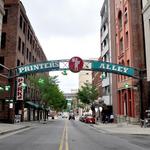
Printer's Alley
Originally the home of newspaper stands and publishing companies, Printer’s Alley has transformed itself into a busy area for Nashville’s nightlife. No one is quite sure how it happened, but it might’ve had something to do with the dark, gritty atmosphere of the alley or the way that many local restaurants smuggled in liquor during the Prohibition era.
Peg Leg Porker BBQ
Go get the best BBQ food (in our humble opinion) in all of Nashville. Peg leg porker is #1 on the field and #1 in our hearts. We highly recommend the pulled pork and brisket!