Things to do in Lebanon
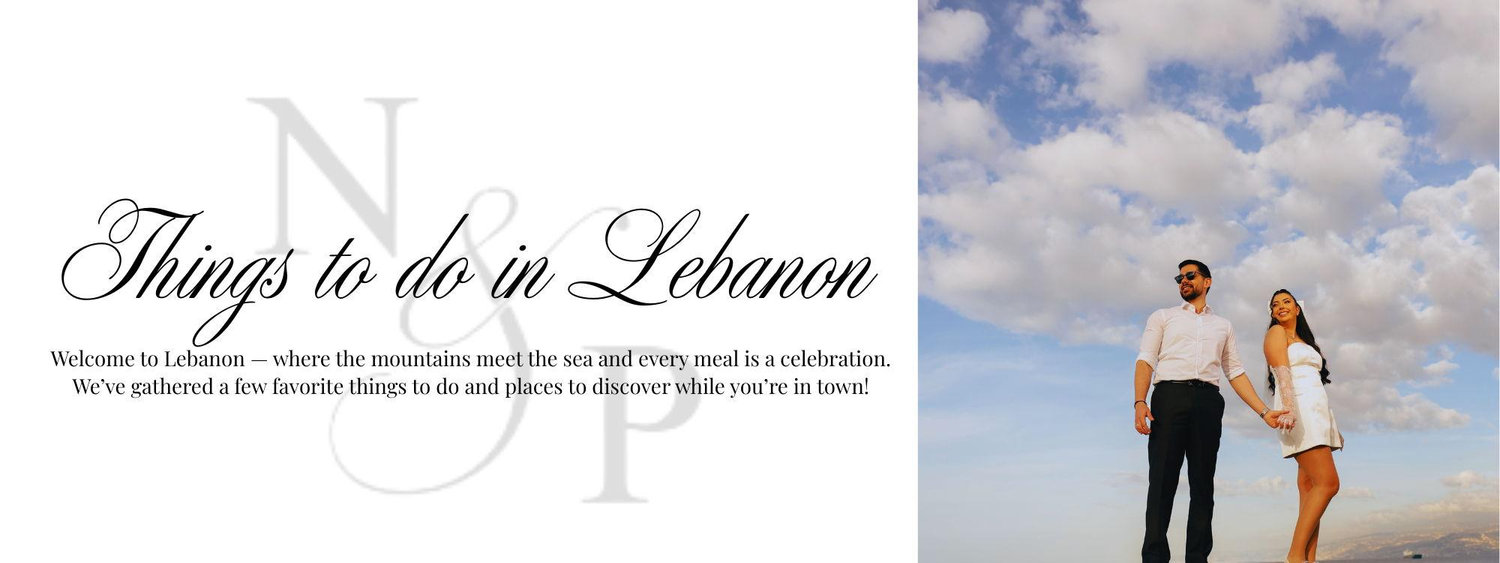
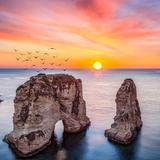
Raoucheh - Beirut
Raouche, home to the famous Pigeon Rocks, is one of Beirut’s most iconic coastal landmarks. Located along the city’s western shoreline, this dramatic natural rock formation rises out of the Mediterranean and is especially beautiful at sunset. It is a popular spot for a seaside stroll, enjoying the views, and experiencing Beirut’s unique blend of city life and coastline.
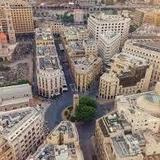
Downtown - Beirut
Downtown Beirut and Nejmeh Square form the historic heart of the city, known for their elegant architecture, open plazas, and central cafés. One of the area’s most striking sights is the close proximity of the Mohammad Al-Amin Mosque and the Saint George Maronite Cathedral, standing side by side as a powerful symbol of Lebanon’s religious diversity and shared urban heritage. It is a pleasant place to walk, shop, and experience the city’s vibrant atmosphere.
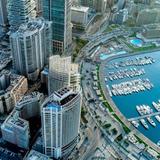
Zaitunay Bay - Beirut
Zaitunay Bay is Beirut’s modern waterfront marina, located along the Mediterranean just beside downtown. Lined with cafés and restaurants, it is a popular place for an evening stroll, with views of the sea, boats, and the city skyline. Its central location makes it an easy stop for guests looking to enjoy Beirut’s coastal atmosphere.
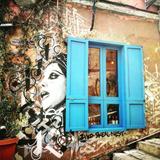
Gemmayzeh & Mar Michael Streets - Beirut
Gemmayzeh and Mar Mikhael are two of Beirut’s most lively neighborhoods, known for their colorful streets, historic buildings, cafés, bars, and local restaurants. The area has an energetic social scene and is often described as if Bourbon Street in New Orleans and SoHo in New York City had a baby—a mix of nightlife, creativity, and urban charm. It’s a great place to explore in the evening and experience Beirut’s modern culture.
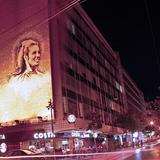
Hamra Street - Beirut
Hamra Street is one of Beirut’s most well-known and lively districts, long considered the city’s cultural and intellectual hub. Located in West Beirut, it became especially famous in the mid-20th century as a gathering place for writers, journalists, students, and artists, giving it a reputation as Beirut’s “Latin Quarter.” Today, it remains a busy street filled with cafés, bookstores, shops, and restaurants, offering both a historic and everyday local side of the city.
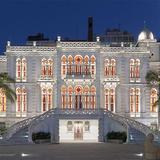
Sursock Palace - Beirut
The Sursock Museum is one of Beirut’s most important cultural landmarks, located in the Achrafieh district. Set inside a beautifully preserved early 20th-century Beirut mansion, the museum features a mix of modern and contemporary art alongside the historic charm of the building itself. It is an excellent stop for guests interested in Lebanon’s artistic and architectural heritage.
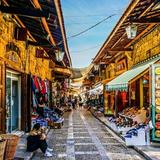
Byblos
Byblos (Jbeil) is one of Lebanon’s most beloved seaside towns and among the oldest continuously inhabited cities in the world. Located about 40 km north of Beirut (approximately 45 minutes to 1 hour by car), it is known for its charming historic harbor, Crusader castle, traditional souks, and lively waterfront restaurants. It makes for an easy and memorable day trip from the city.
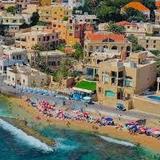
Batroun
Batroun is a picturesque coastal town north of Beirut, popular for its relaxed beach atmosphere and vibrant old streets filled with cafés and restaurants. Located about 50 km from Beirut (approximately 1 to 1.25 hours by car), it is a great destination for a seaside afternoon, especially in the summer, with a mix of historic charm and lively nightlife. We guarantee it: you will fall in love with Batroun. Pack your swimsuits!
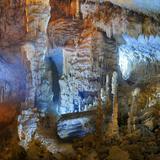
Jeita Grotto
Jeita Grotto is one of Lebanon’s most famous natural landmarks, featuring spectacular limestone caves and underground formations. Located about 20 km from Beirut (approximately 30 to 40 minutes by car), it is an easy half-day trip and a unique opportunity to experience Lebanon’s dramatic natural scenery just outside the city. This beauty almost became the 7th wonder of the world!
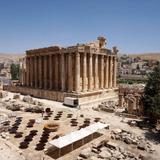
Baalbek
Baalbek is one of Lebanon’s most important archaeological sites and a must-see for visitors interested the history of Phoenicia. Located about 85 km from Beirut (approximately 1.5 to 2 hours by car), it is home to some of the best-preserved Roman temples in the world, including the Temple of Jupiter and the Temple of Bacchus. A day trip to Baalbek offers a remarkable glimpse into Lebanon’s ancient heritage and its place at the crossroads of civilizations.
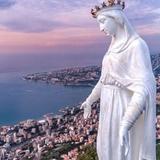
Harissa
Harissa, home to the shrine of Our Lady of Lebanon, is one of the country’s most important pilgrimage and viewpoint destinations. Located about 25 km from Beirut (approximately 40 to 50 minutes by car), it offers panoramic views over Jounieh Bay and the Mediterranean. Visitors often take the scenic cable car up the mountain for a memorable stop.
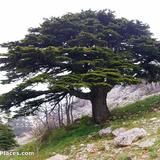
Cedars of God Bsharri
The Cedars of God (Al Arz) are one of Lebanon’s most iconic natural treasures, located in the northern mountains about 2.5 to 3 hours from Beirut. This ancient cedar forest is home to some of the oldest trees in the country and holds deep cultural significance—the cedar tree is the national symbol of Lebanon and appears at the center of the Lebanese flag as a sign of endurance, peace, and resilience. The cedar is also celebrated in Scripture, including the verse: “The righteous will flourish like a palm tree, they will grow like a cedar of Lebanon” (Psalm 92:12).
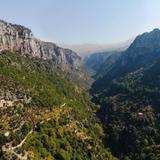
Kadisha Valley
Wadi Qadisha (the Holy Valley) is one of Lebanon’s most important spiritual and historical sites, located about 2.5 hours from Beirut in the northern mountains. For centuries, its steep cliffs and hidden caves served as a place of refuge for early Christian communities and monastic orders who sought protection during periods of persecution and conflict. Today, the valley is dotted with ancient monasteries carved into the rock, making it a powerful destination for both pilgrimage and history, and a UNESCO-recognized part of Lebanon’s heritage.