Things To Do
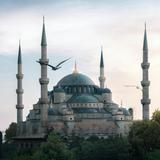
The Blue Mosque
Built between 1609 and 1617, this iconic religious landmark dates back to the Ottoman period. Visitors are welcome to enter, but shoes must be removed, and modest dress is required; women should also have a headscarf available.
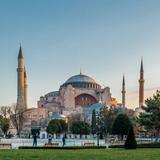
Hagia Sophia Grand Mosque
Located directly across from the Blue Mosque, this remarkable historic structure dates back to the Byzantine period and was built between 532 and 537 AD, making it nearly 1,500 years old. Formerly a church and museum, it was converted into a mosque in 2020. Visitors are welcome to enter but shoes must be removed, and modest dress is required; women should also have a headscarf available.
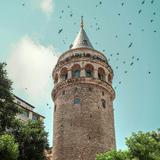
Galata Tower
Legend has it that couples who climb it together for the first time are destined to marry, though the magic is said to be broken if one has been before. Faruk also attended university nearby and fondly remembers spending time at the surrounding restaurants and sweet shops.

Grand Bazaar
One of the largest and oldest covered markets in the world, dating back to 1455, this vibrant marketplace is home to over 4,000 shops selling gold, spices, sweets, souvenirs, and more. It’s a wonderful and historic place to visit, just be sure to keep an eye on your belongings and be cautious of aggressive sales tactics.
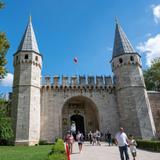
Topkapi Palace Museum
Constructed by Mehmed the Conqueror starting in 1460, the site, now a UNESCO World Heritage landmark, functioned for nearly four centuries as the principal residence and administrative heart of the Ottoman Empire, encompassing imperial courts, harems, and immense treasures.
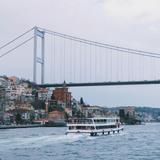
Bosphorus
The Bosphorus gently separates Europe and Asia while uniting the Black Sea with the Sea of Marmara, a place where continents, cultures, and histories meet. For centuries, it has been a vital passage of the Silk Road and a crossroads of trade and connection. A boat tour reveals breathtaking historical landmarks, graceful waterfront mansions, and three elegant bridges spanning the strait, including the Fatih Sultan Mehmet Bridge, visible from our wedding venue - a timeless symbol of connection, much like our own.
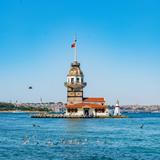
Maiden's Tower
Legend tells of a king who built the tower to protect his daughter from a prophecy that she would die from a snakebite on her eighteenth birthday. Despite his efforts, fate prevailed when a snake, hidden in a basket of fruit, reached her—making the tower a lasting symbol of inescapable destiny. You can also catch a view of this iconic tower while on a Bosphorus boat tour.
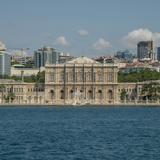
Dolmabahçe Palace
Commissioned by the Ottoman Empire’s 31st sultan, Abdülmecid I, the palace was built between 1843 and 1856.
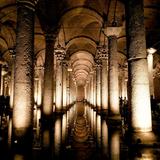
Basilica Cistern
This incredible 6th-century underground water storage system was built by Byzantine Emperor Justinian I after the 532 Nika riots to provide water for the Great Palace and Hagia Sophia.