
Things To Do
Road to Hana Highway
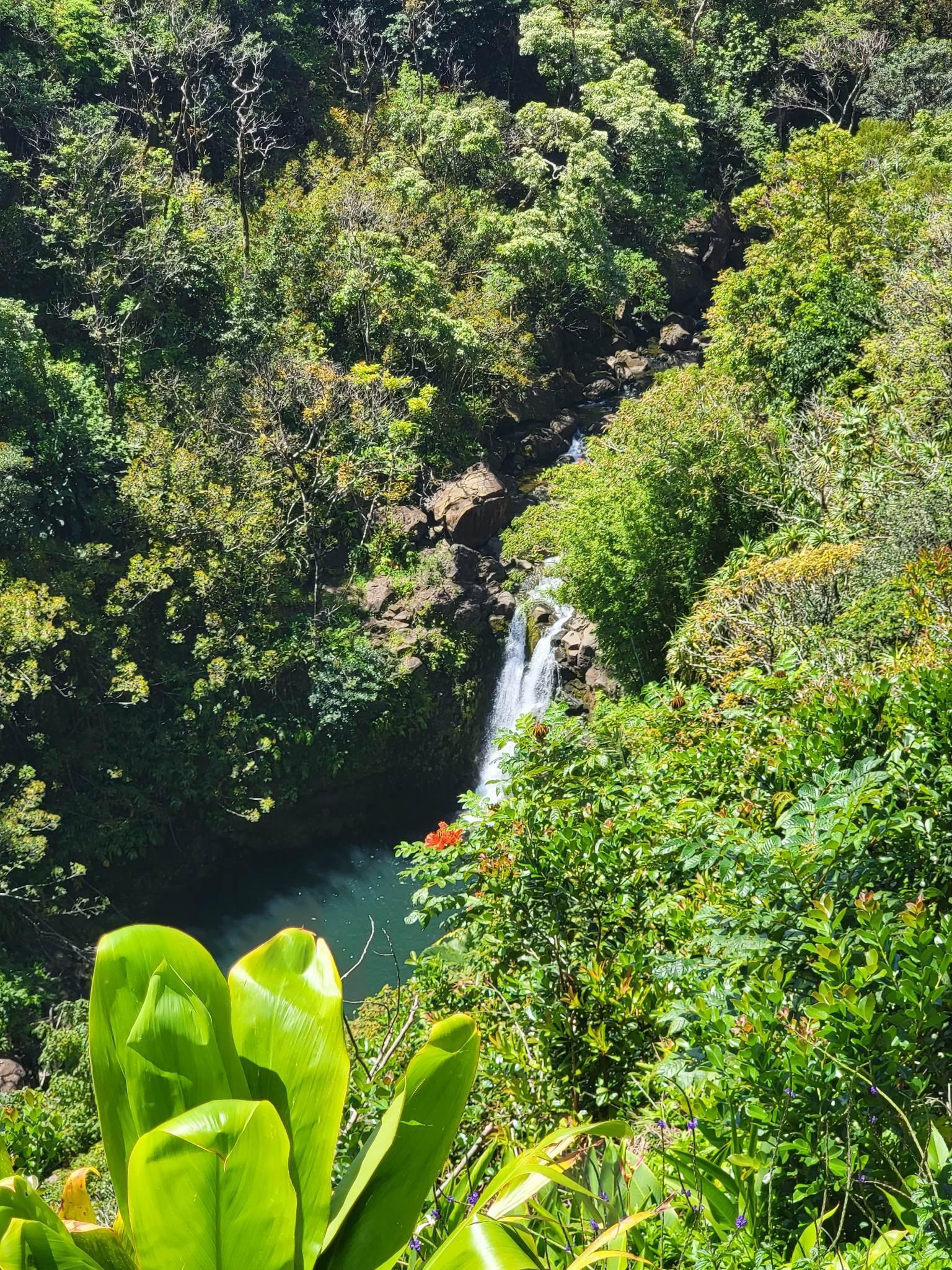
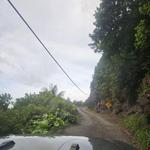
We suggest having a Jeep and confident driver for the best experience. The Road to Hāna is one of Maui’s most iconic drives, famous for its lush tropical scenery, waterfalls, and dramatic coastal views. The route stretches about 64 miles from Kahului to the town of Hāna, winding along over 600 curves and 50 one-lane bridges. Along the way, travelers encounter rainforest streams, black- and red-sand beaches, and scenic lookouts perfect for photos. Popular stops include Twin Falls, Waianapanapa State Park with its black sand beach and sea caves, and the Seven Sacred Pools at Ohe’o Gulch in Haleakalā National Park’s Kipahulu District. The drive is as much about the journey as the destination, so go slow, allow time to explore, and be cautious on narrow, winding sections. For safety, always yield on one-lane bridges and follow local driving rules. Early mornings are best to avoid traffic and enjoy a peaceful drive.
Twin Falls Maui
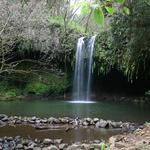
Twin Falls is one of the first major stops on Maui’s famous Road to Hāna, located just past mile marker 2 off Hana Highway. This easily accessible rainforest spot features a series of stunning waterfalls, natural pools, and lush tropical scenery. Visitors can enjoy short hikes along well-marked trails to reach the falls, swim in the freshwater pools, or simply relax and take photos of the cascading water surrounded by greenery. Twin Falls is family-friendly and suitable for most skill levels, but wear sturdy shoes as trails can be muddy and slippery. Parking is limited and fills quickly in the morning, so arriving early is recommended. There are small fruit stands nearby where you can try fresh tropical snacks. This stop is a perfect introduction to the waterfalls and natural beauty along the Road to Hāna.
Black Sand Beach
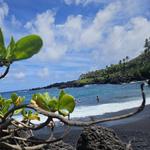
Black Sand Beach at Waianapanapa State Park, near Hāna, is one of Maui’s most iconic and photogenic stops on the Road to Hāna. Its striking black sand is created from volcanic lava cliffs eroded over centuries, contrasting beautifully with the lush green coastline and turquoise waters. Visitors can walk along the shoreline, explore sea caves, tide pools, and natural rock formations, or relax in this unique, scenic setting. The beach can have strong currents, so swimming is recommended only for experienced swimmers. Facilities at the park include restrooms, picnic areas, and parking, making it a convenient and memorable stop. Early arrival is best, especially during peak season, as parking can fill quickly. Black Sand Beach is perfect for photography, a peaceful walk, or simply soaking in the dramatic natural beauty of Maui’s eastern coast.
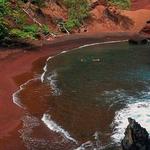
Kaihalulu Beach
Red Sand Beach (Kaihalulu Beach) is a unique and stunning beach located near Hāna on Maui’s eastern coast. Its deep red sand, formed from the surrounding iron-rich cliffs, contrasts dramatically with the turquoise waters, creating a breathtaking and photogenic setting. A short, moderately challenging trail along the cliffs leads to the beach, so sturdy shoes and caution are recommended—some areas can be slippery or exposed. The beach is small and secluded, offering a quiet, off-the-beaten-path experience, but waves and currents can be strong, so swimming is recommended only for experienced swimmers. There are no facilities, shade, or lifeguards, so bring water, sun protection, and snacks. Red Sand Beach is perfect for adventurous visitors looking for a dramatic and memorable stop along the Road to Hāna.
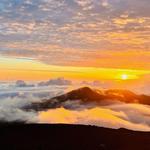
Sunrise over Mount Haleakalā
Haleakalā National Park is home to Maui’s highest peak. Rising 10,023 feet/3,055 m above sea level, Haleakalā means house of the sun and is where the demigod Maui lassoed the sun, slowing its passage so people could dry kapa cloth and grow food. The dormant volcano’s crater is actually a valley carved by erosion. The park’s Summit District begins at 7,000 feet (2,134 m) and reaches the 10,023-foot summit. Its high elevation, dark skies, and dynamic weather make it ideal for stargazing. Due to sunrise popularity and limited parking, reservations are required for each vehicle entering the park between 3:00 a.m. and 7:00 a.m. Reservations may be booked up to 60 days in advance. Tickets are per vehicle, limited to one every three days, and require logging into an account before adding to your cart.
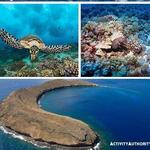
Molokini Crater
Molokini Crater is a world-famous, crescent-shaped volcanic crater just off Maui’s south coast and one of the island’s top snorkeling destinations. As a protected marine reserve, it’s known for exceptionally clear water, vibrant coral reefs, and abundant tropical fish, with visibility often reaching up to 100 feet. Snorkeling at Molokini is accessible only by boat, with tours typically departing early in the morning when ocean conditions are calmest. Many excursions also include a second snorkel stop along the South Maui coastline, where guests may spot Hawaiian green sea turtles, dolphins, and other marine life. Tour Tips: Book in advance, as tours often sell out, especially in summer. Morning departures offer the best conditions. Larger catamarans provide more stability, while smaller boats are quicker and less crowded. Flotation devices are usually provided, making the experience enjoyable for both beginners and experienced snorkelers.
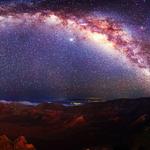
Stargazing over Mount Haleakala
Haleakalā National Park is one of the best places in the world for stargazing, thanks to its high elevation, minimal light pollution, and clear skies. The Summit District, starting at 7,000 feet (2,134 m) and rising to 10,023 feet (3,055 m), provides a breathtaking vantage point for viewing stars, planets, and the Milky Way. Many visitors arrive in the evening to watch the sunset and stay for the incredible night sky. Temperatures can be very cold after dark, and the weather can change quickly, so warm clothing is essential. Telescopes and binoculars can enhance the experience, though even the naked eye reveals countless stars. Due to limited parking and fragile environments, visitors should use designated areas and follow park guidelines. Haleakalā’s summit offers an unforgettable astronomy experience, whether for casual stargazers or photography enthusiasts.