Things To Do
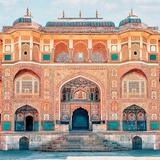
Amber Palace and Fort
Built in the 16th century, Amber Fort is one of India's most famous palaces and a UNESCO World Heritage Site. Set high above the surrounding hills, it features grand gateways, mirrored halls, and expansive courtyards with sweeping views of Jaipur.
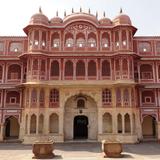
The City Palace
Built in the early 18th century, this palace complex remains the full-time residence of Jaipur’s royal family. Within its grounds are private residences, ornate courtyards, museums, and richly preserved royal architecture.
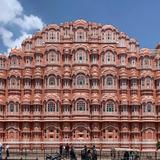
Hawa Mahal
Built in 1799, the “Palace of Winds” is Jaipur’s most recognizable landmark, known for its five-story pink sandstone façade and nearly 1,000 small windows. Its intricate latticework creates a natural air-cooling effect, similar to what you may notice in the halls of Fort Bishangarh.
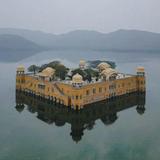
Jal Mahal
An 18th-century palace set in the middle of Man Sagar Lake, Jal Mahal floats on the water and is one of Jaipur’s most iconic sights. Its design features multiple submerged levels, with only the upper stories visible above the lake’s surface.
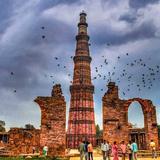
Qutb Minar
If you're extending your trip to Delhi, this UNESCO World Heritage Site is a must-see. Completed in the 13th century, it is the tallest brick minaret in the world at 73 meters and is surrounded by ancient ruins.
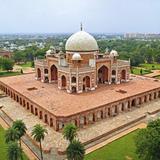
Humayun’s Tomb
Also in Delhi, this UNESCO World Heritage Site, built in the 16th century, is widely regarded as the architectural precursor to the Taj Mahal and one of the finest examples of Mughal garden tombs.
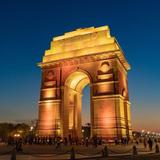
India Gate
A national war memorial at the heart of New Delhi, India Gate stands on the city’s ceremonial axis and is one of its most iconic landmarks, especially beautiful in the evening when illuminated.
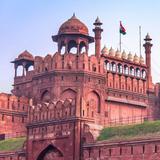
Red Fort
A UNESCO World Heritage Site built in the 17th century, the Red Fort was the main residence of the Mughal emperors for nearly 200 years and remains one of Delhi’s most important historic landmarks.
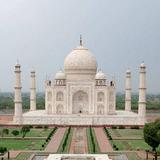
Taj Mahal
If you choose to extend your trip to the rest of the Golden Triangle, the Taj Mahal is located in Agra, about a 4 hour drive from Jaipur. A UNESCO World Heritage Site and one of the Seven Wonders of the World, it was built in the 17th century by Emperor Shah Jahan as a memorial to Mumtaz Mahal and is considered one of the world’s greatest architectural achievements.