Things To Do

Teotihuacán
About twenty-five miles outside of Mexico City sit the Pyramids of the Sun and Moon on a site known as Teotihuacan. These mesoamerican pyramids are the most significant historic sites in the area. Make sure that your visit to Mexico City includes a day dedicated to walking down the Avenue of the Dead, visiting the pyramids, and stopping in the onsite museum. Try to get there early, as the sun seems to pay special attention to the pyramid bearing its name, and there is no shade on site.
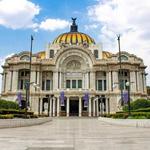
Palacio de Bellas Artes
Palacio de Bellas Artes, The Palace of Fine Arts, is a museum and exhibition space, a short walk from both Centro Historico and Mexico City’s Chinatown. With walls lined with Diego Rivera and Siqueiros murals, if you only have time to visit one art museum in town, this is the one. Bellas Artes is notably as beautiful on the outside as it is on the inside. To grab a great picture of the building, visit the coffee shop on the 8th floor of the Sears directly across Avenue Juarez.
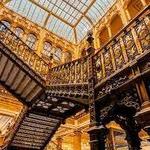
Palacio Postal
Half functioning post office, half museum, this ornate building tells the story of mail in Mexico. Built in 1907, modified in the 1950s, and repaired in the 1990s after significant damage from the 1985 earthquake, it’s aprime example of Porfiriato-era architecture. Like many of the buildings here, it has many names used interchangeably, including Quinta Casa de Correos (The Fifth House of Mail), Palacio de Correos de México (The Mail Palace of Mexico), and Correo Mayor (the Main Post Office). But that’s a lot of information you really don’t need. All you need to know is it’s gorgeous, directly across the street from Bellas Artes, and entry to the museum is free.
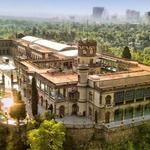
Chapultepec Castle
The Castillo de Chapultepec is the only royal castle in the Americas to have served as a residence for a reigning emperor. The castle offers stunning views of the city and is now a museum, showcasing Mexican history, culture, and art. It is one of the most important landmarks in Mexico, symbolizing the country's rich heritage and its struggle for independence. The castle's architectural style blends European and Mexican influences, making it a unique piece of history.
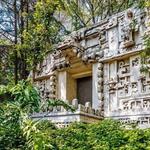
Museo Nacional de Antropología
The National Museum of Anthropology is located on the Paseo de la Reforma, specifically in the Chapultepec Forest west of the historic center of Mexico City. This prestigious museum was erected in order to pay tribute to the Amerindian cultures that flourished in pre-Hispanic Mexico.
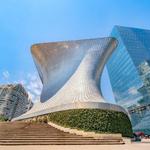
Museo Soumaya
Museo Soumaya is one of the most photographed buildings in the city. On the outside, Soumaya is a must-capture for Instagrammers in the city. On the inside, it’s filled with must-see European and Mexican art. The Soumaya collection is actually a museum in multiple buildings in different parts of the city, but the location in Plaza Carso is the newest and most visited. Entrance is free thanks to the billionaire creator of the museum, and the exhibits are always worth a visit.
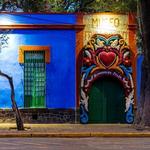
Frida Kahlo Museum
One of the most famous museums in the city, Frida Kahlo’s family home, also known as Casa Azul, is a must-see in Mexico City. The museum highlights the home as it was when she lived there with her husband, Diego Rivera, and temporary exhibits provide more context about Kahlo’s life.
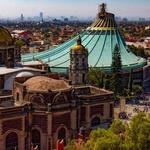
Basilica of Our Lady of Guadalupe
Basilica de Guadalupe is an active Catholic Church, the national shrine of Mexico, and a pilgrimage site of Catholicism. The Basilica houses an image of the Virgin Guadalupe on a cloak dating back to the 1500s. Even if you’re not on a pilgrimage, visiting the Basilica and experiencing the uniquely built church, including the moving sidewalk in front of the cloak (so a crowd can’t gather), is an experience worth having. The Basilica is a bit out of the city, so stopping on the way back from Teotihuacan is a great way to see both in one day.
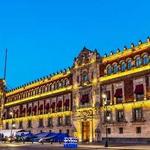
National Palace
The National Palace is the seat of the federal executive in Mexico. Since 2018 it has also served as the official residence for the President of Mexico. It is located on Mexico City's main square, the Plaza de la Constitución (El Zócalo). This site has been a palace for the ruling class of Mexico since the Aztec Empire, and much of the current palace's building materials are from the original one that belonged to the 16th-century leader Moctezuma II.
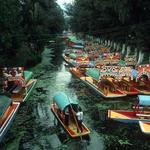
Xochimilco Embarcaderos
Join us here on Sunday for the afterparty! The Floating Gardens of Xochimilco are not to be missed. South of the city, it consists of a maze of canals among plant nurseries filled with brightly painted floating barges. The trajineras turn into party boats every day. The canals come to life with the sounds of families and friends, mariachi bands, and food vendors. You can rent a barge for an hour or two and have your own party.