
History of the Venues
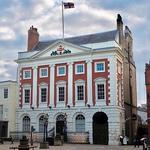
York Mansion House
Since 1732, York Mansion House has been the official residence of the Lord Mayor of York. The Mansion House is the earliest purpose-built house for a Lord Mayor still in existence and predates the Mansion House in London by at least twenty years. The foundation stone for the Mansion House was laid in 1725, with the building being completed seven years later in 1732. The architect who designed the Mansion House is unknown, although the frontage may be by William Etty. The Mansion House was built on the site of the old "Common Hall Gates" which provided an entrance to the York Guildhall. A chapel and other property once owned by the Guild of St. Christopher and St. George including the Cross Keys Public House also lay on the Mansion House site. You can read more about the history of York Mansion House on its website.
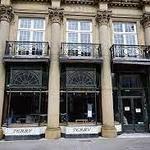
Impossible York
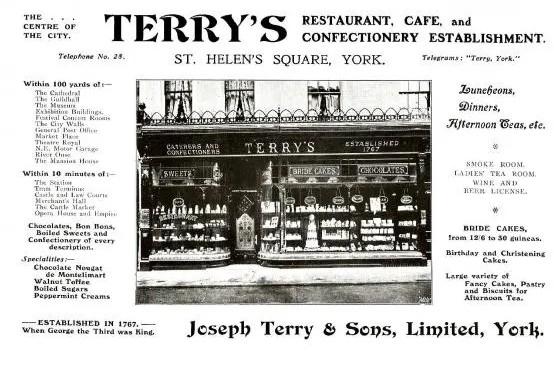
Impossible is located within 3 St Helen's Square which is a grade II listed building. The history of the building goes back to 1818 when the confectionery business Bayldon & Berry had a shop at 3 St Helen's Square. In 1828 Bayldon & Berry became Terry's of York and later in the 19th century Terry's added a restaurant to the original building. In 1922 the original building was demolished and replaced by a building designed by Lewis Wade which included a ballroom. As well as the Terry's business, the building hosted external events including the 1961 wedding of Prince Edward, Duke of Kent to Katharine Worsley. The Terry's shop and restaurant closed in 1981 and the building became a shop for the National Railway Museum. It later served as a branch of Swarovski jewellers, then a Carluccio's restaurant. Since 2020, it has housed Impossible. There is, of course, a ghost story told about 3 St Helen's Square. Click on the link below to read the full story.