

Travel
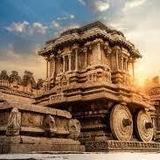
Outside Bangalore: Hampi
A UNESCO World Heritage Site, it was the last capital of the last Hindu Kingdom. Often called the Lost City, it has incredibly well preserved stone work, including a massive stone chariot which required elephants to pull.
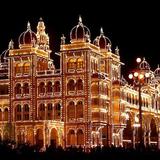
Outside Banagalore: Mysore
Best known for the Mysore Palace, an interesting mix of Indian and British architecture (and has a light show at night). Also well known for sandalwood, rosewood, stone sculptures, incense sticks, and silk sarees.
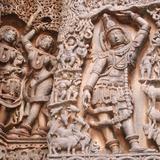
Outside Bangalore: Belur & Halebeedu
Temples with incredibly detailed stone carvings, many of which are depictions of famous Hindu stories. The templates are also massive feats of engineering, constructed entirely of interlocking stone pieces. This technique was not thought to be possible during the 11th century.
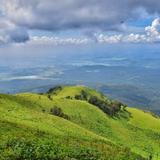
Outside Bangalore: Coorg
If you're looking for less people and more nature, Coorg is a picturesque, hilly region known for coffee, spices, and scenic waterfalls. An excellent place to relax!
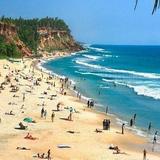
Southern India: Goa
A proper tropical beach paradise, often referred to as the Miami Beach of India. Full of Portuguese heritage and international travelers, its reputation as India's party capital is well deserved. Make sure to hit a psytrance party!
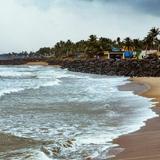
Southern India: Pondicherry
Like Goa's calmer, older brother who's outgrown partying, but still has incredible beaches. This is the place to go if you're about the yoga, meditation, and Ashram lifestyle. (NOTE: the name was officially changed to Puducherry in 2006, but most people still call it Pondicherry).
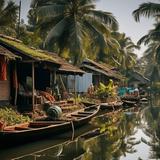
Southern India: Kerala
Famous for house boats, its unique cuisine, and the hills and views. They also have the Kabini River, with the largest natural concentration of Asiatic elephants, as well as Periyar National Park, which is filled with elephants, tigers, and birds. Make sure to get some plantain chips!
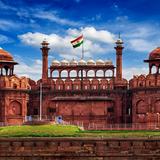
The Golden Triangle: Delhi
Delhi is the capital of India, and its not hard to see why. If you can look past its sheer size, chaos, and 33 million inhabitants, Delhi has an astounding depth of history and culture.
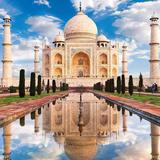
The Golden Triangle: Agra
The Taj Mahal - need we say more? Just FYI: it's closed on Fridays.
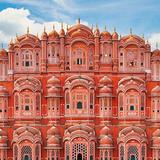
The Golden Triangle: Jaipur
Known as the Pink City, it gets its nickname from the buildings which, in 1876, were painted pink to welcome Britain's Queen Victoria. It has everything: palaces, forts, bazaars, and even a collection of functional 17th century astronomical instruments (though I doubt they'll let you play with them).
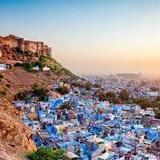
Northern India: Jodhpur
Known as the Blue City, it gets its nickname from the overwhelming amount of blue buildings in the old part of town. It hosts the massive Mehrangarh Fort and the Umaid Bhawan Palace, where Priyanka Chopra and Nick Jonas were married in 2018 (oh, to be rich and famous).
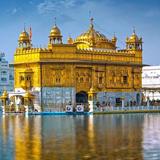
Northern India: Golden Temple
The number one Sikh temple in the world with a sad, bloody history. It is worth noting that they have some rules regarding attire, but welcome everyone (and have excellent food).
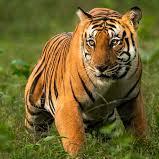
Northern India: Jim Corbett National Park
India's number one National Park. They’ve done phenomenal work on tiger population restoration and offer safari tours where you can (hopefully) see some in the wild.
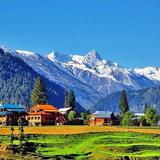
Northern India: Kashmir
Often described as paradise on earth, Kashmir is nestled amongst the Himalayas. The area is rich with culture and heritage. It is also a hotbed for political tensions between India and Pakistan, so keep an eye on the situation from a safety perspective.
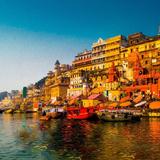
Northern India: Varanasi
Like the Vatican City for Hinduism, Varanasi is part of the Holy Pilgrimage for Hindus. The beautiful city and its main temple sit on the banks of the Ganges River.