Alexis & Taylor


Things to Do
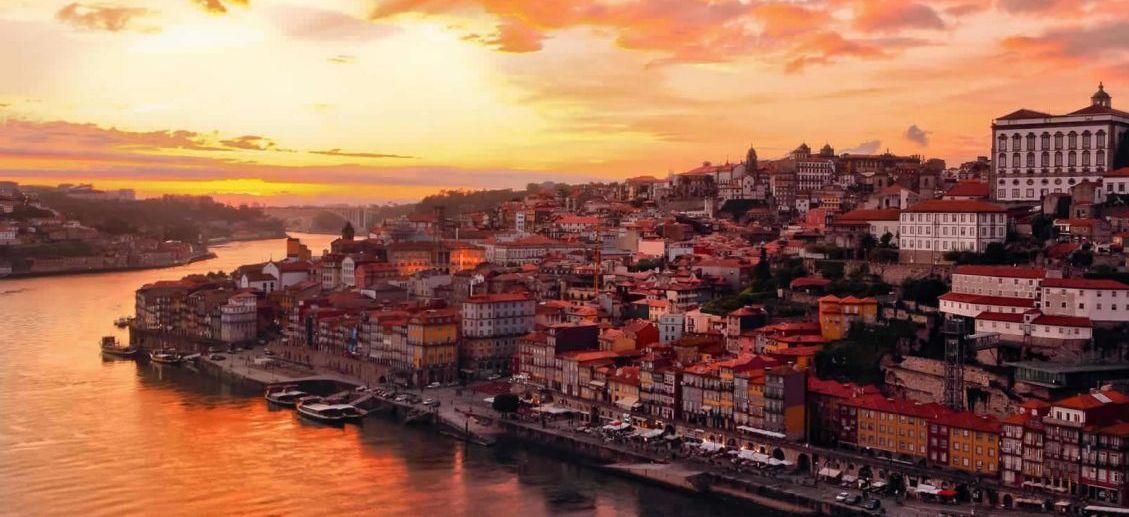

Time Out Market
Located in a historic market hall just a stone's throw from the waterfront, it features more than two dozen popup versions of the city's best restaurants and bars. Try the most of Portuguese cuisine in one central location. We’re still thinking about our bifanas from O Frade!

Pastéis de Belém
Grab a traditional Portuguese custard tart in the bakery that invented them! Legend has it the secret recipe for Pasteis de Belem's best-selling sweet custard tarts came from within the Jerónimos Monastery. Stop by the botanical gardens next door after and enjoy the beautiful landscape and peacocks wandering around.

Prado
The ever-changing farm-to-table (and ocean-to-plate) menu at Prado Restaurant features imaginative, contemporary dishes composed of the freshest national ingredients that transition with the seasons.

Javá
Trendy yet friendly, Javá is popular venue known to offer a great atmosphere. Visit for a sunny rooftop brunch, sunset cocktails, or enjoy some of the dishes made perfect to share with a group of friends during vibrant nights with cool music.

Clube de Jornalistas
Clube de Jornalistas occupies a converted 18th-century home, but the place to sit is really the gorgeous cobblestone garden/terrace, which is protected on all sides by verdant walls. Both the wine list and the menu are a balance of traditional Portuguese dishes and more international influences.

Bairro do Avillez
Part food hall, part restaurant, chef José Avillez blurs the lines by creating a gourmet deli, seafood bar, pizza parlor, and excellent cocktail bar under one roof at Bairro do Avillez. Live music starts every Thursday at 10pm; DJs from 10.30pm on Friday and Saturday.

Grau Douro Tapas & Wine Bar
A great restaurant for tapas, wine, and live music!

Taberna Sal Grosso
A cozy restaurant with delicious traditional Portugese food at a modest price. Reservations are recommeded as this is a very popular spot!
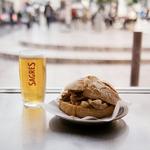
As Bifanas do Afonso
This cash-only spot serves the best bifana (Portuguese pork sandwich) in town and is a great option if you're looking for a quick and cheap lunch.
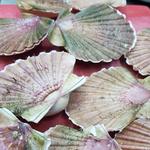
O Magano
If you're looking to eat where the locals go, O Magano is a cozy, less touristic dining spot with great service.

Red Frog Speakeasy
Named one of the world's best bars in 2022, Red Frog is a must for any cocktail lover. Reminiscent of a New York Prohibition-era speakeasy, you access the bar by ringing a bell underneath a red frog fixed to the wall.

Quattro Teste
Quattro Teste is the brainchild of an Italian-Basque couple that wished to fuse their cultures. It resulted in a charming bar of pure deliciousness. Situated on one of Castelo de São Jorge's most charming streets, it also offers basque tapas (Pintxos) with an Italian twist as well as a separated menu of basque and Italian cocktails.

Imprensa Cocktail and Oyster Bar
A fantastic cocktail bar with delicious oysters!

Lost In
To get to this quirky terrace bar and café, you'll first navigate a maze-like Indian clothing store via the back door before being met with its stunning rooftop view. Comfortable outdoor seating, shaded by colorful umbrellas, makes for a tranquil environment perfect for an afternoon drink or a light meal.

A Ginjinha
Ginjinha is a sweet cherry liquor invented in Lisbon where today it's practically a staple. The most popular place to get a shot is A Ginjinha bar, a walk-up hole-in-the-wall bar next to the bustling Rossio train station.

Belém Tower
A UNESCO World Heritage Site - come learn about the significant role the tower played in the Portuguese maritime discoveries and take in the beautiful views of the Tagus River.

Jerónimos Monastery
After taking a tour of the Tower of Belem, go visit this beautiful monastery located just steps away.
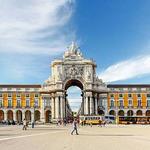
Praça do Comércio
Where downtown Lisbon meets the ocean - take a walk down the waterfront, have a beer, and feel the ocean breeze. Then walk through the Rua Augusta Arch where you will find streets lined with stores and restaurants to enjoy.
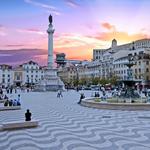
Rossio Square
Rossio is the center of Lisbon. Once you set foot on this iconic square to admire its fountains and architecture, it will soon become clear how much of the city is structured around it.

Carmo Convent
Carmo Convent in Lisbon is a fascinating place to visit. It is one of the main remaining ruins standing after the 1755 earthquake and it is now the home of the Carmo archeological museum with a wide variety of pieces to discover.
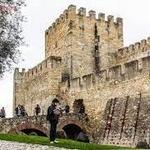
Castelo de Sao Jorge
Set on the city's tallest hill, São Jorge Castle was originally built by the Moors, before it was captured by the Christians who eventually ruled the city. Despite its dramatic history, today, the castle is one of the city's most relaxing and tranquil places—there are peacocks wandering around the grounds, and gorgeous views of the city from the defensive towers. Leave a little time to explore the camera obscura.
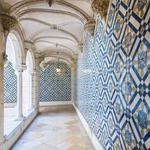
National Tile Museum
The National Tile Museum is a must-see: Housed in a 16th century convent, it features a collection of tiles that spans centuries, from the Renaissance through present day.
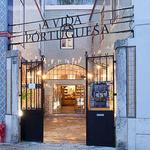
A Vida Portuguesa
Specializing in products that have "crossed generations and touched hearts" A Vida Portuguesa is where to go for timeless gifts and souvenirs.

LxFactory
Originally a fabric production plant, this former industrial complex is now home to cafés, restaurants, design houses, show-rooms, as well as pop up shops for visitors to enjoy the arts and culture of Portugal.

EmbaiXada
A former 19th-century Arabian palace, EmbaiXada (meaning embassy in Portuguese) is now an elegant shopping center selling goods designed by Portuguese artists and artisans. The range of shops is huge—come here for everything from swimsuits to antique clothing and gifts. Stop by Gin Lovers Principe Real on the ground floor if you’d like to kick back with a drink or light bites after shopping.

Livraria Bertrand - Chiado
Opened in 1732, Livraria Bertrand holds the Guinness record as the world’s oldest bookstore still in operation. Stop by to see this favorite haunt of Portuguese writers and intellectuals across different generations.

Oceanário Lisboa
Lisbon's award-winning aquarium is a must for families and anyone interested in marine life. More than 8,000 animals live in its 7 million-liter saltwater tank. Temporary exhibits, including submerged forests by Takashi Amano (the foremost "aquascaper" in the world) are just as memorable.
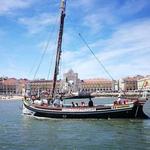
Tagus River Cruise
The Portuguese have always been a seafaring people, and the tradition is alive and well in Lisbon. Enjoy a breathtaking cruise with scenic skyline views. Viator and TripAdvisor have a great selection of cruise options.

Watch Fado
Portugal's signature style of music, fado, is where country meets the blues before colliding with opera. Songs are tragic and haunting, but they're not just played, they're performed. Since its birth in the 1830s, watching fado – which takes place in traditional bars and restaurants like Tasca Do Chico and Clube de Fado– has become the quintessential Portuguese pastime.
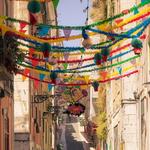
Explore Bairro Alto
Dating back to the 15th century when artists and authors flocked here in high numbers, this bohemian borough is now a happening scene. Come during the day to see the Insta-worthy street art. Return after dark for the city's best nightlife, bar-hopping, and dancing.

Wander Around Alfama
Boasting some of the best views of the Tagus River, this medieval village (it survived the 1755 earthquake) is perched on Lisbon's highest hill. It's home to Saint George's castle, and is arguably one of the city's most photogenic neighborhoods. Streets are narrow, but not too narrow for the historic 28 Tram which ferries tourists who don't want to deal with cobblestones or stairs.

Avenida da Liberdade
Avenida da Liberdade has a history as one of Lisbon’s most eye-catching areas. Designed in the image of Paris’s Champs-Elysees, it’s filled with grand buildings that house luxury shopping, five-star hotels, a range of restaurants and floral pedestrian walkways decorated with kiosk cafés and the traditional Portuguese tile.