

Things To Do
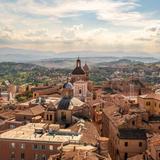
Macerata
Macerata is where the groom, Riccardo, was born and where his family still lives. (We will also be organizing a tour of Macerata sometime during the wedding weekend! Stay tuned) Here, there is a world renowned opera house called Sferisterio right in town (the opera festival runs from July 17 - Aug 9 if you're planning to stick around) The city traces its origins to refugees fleeing the destruction of the Roman settlement Helvia Ricina, later becoming a municipality in 1138 and an episcopal see in 1320. In the late 16th century, Macerata gained international prominence through Matteo Ricci, a Jesuit priest whose missions made him the first European welcomed at the Ming imperial court in China. Today, Macerata is known for its intact Renaissance walls, historic center, opera tradition, and vibrant university life—peaceful, elegant, and rich in history.
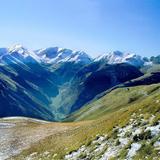
Parco Nazionale dei Monti Sibillini
(The church we're getting married in is in the Sibillini national park, so you'll get to experience this!) The Sibillini Mountains National Park (Parco Nazionale dei Monti Sibillini) is a protected area in central Italy, spanning the Marche and Umbria regions, known for its dramatic peaks (over 2,000m), diverse habitats, rich biodiversity (wolves, eagles), legendary connections (Sibyl's Cave), historic towns, and unique flora like the Castelluccio plain's famous lentil fields. Established in 1993, it offers hiking, mountain biking, and cultural experiences amidst stunning landscapes and mythical lore, emphasizing nature conservation and sustainable development.
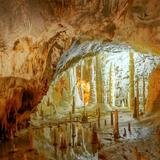
Grotte di Frasassi
Grotte di Frasassi are one of Italy’s most extraordinary natural wonders, located in the Marche region near Ancona. This vast underground cave system features dramatic limestone formations, towering stalactites and stalagmites, and immense chambers carved over millions of years by water and time. Among its highlights is the Abisso Ancona, one of the largest cave chambers in Europe. Easily accessible via guided tours and walkways, the caves offer a unique and unforgettable experience for visitors of all ages. A visit to the Grotte di Frasassi is a perfect opportunity to explore the natural beauty and geological heritage of the region.
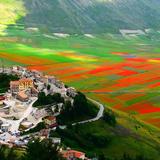
Castelluccio
Between late May and early July, the plateau of Castelluccio is a witness to an event of major importance: flowering. For several weeks the chromatic monotony of grassland is broken by a mosaic of colors, with variations in color ranging from yellow ocher to red. Although the feast of the “Fiorita” falls onto the third and last Sunday of June, there are many clear days to enjoy this enchanting show. Every year everything is entrusted to the climate of the season. The species of flowers that dye the Pian Grande and Pian Perduto in this period are countless, walking along the paths we can find: gentianellas, daffodils, violets, poppies, buttercups, daffodils, purple eugeniae, clovers, shamrocks and much more.
Sirolo
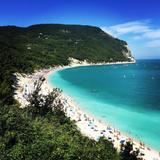
Gotta go to Sirolo at least once - we went a couple years ago and it is such a photogenic town! Easy to rent a boat and sail out into the Adriatic and stay out till sunset. Highly recommend. Sirolo is a charming medieval town in Italy’s Marche region, originally founded as a castle belonging to the noble Conti Cortesi family. Nestled within the Conero Regional Park in the province of Ancona, Sirolo is renowned for its dramatic cliffs, turquoise waters, and some of the most beautiful beaches in the region. Often referred to as “the Pearl of the Adriatic,” the town overlooks a stunning stretch of coastline. Among its most iconic spots is Due Sorelle Beach (two sisters beach), named after the two striking rock formations that rise just offshore, creating a truly unforgettable landscape.
Lago di Fiastra
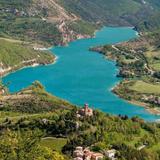
A person-made lake nearby the church within the Sibillini National Park (and therefore nearby the villas/hotels). Lake Fiastra is the largest hydroelectric reservoir in the Marche region, set in a scenic basin at the foot of the Sibillini Mountains at 685 meters above sea level. Its deep blue, crystal-clear waters offer a peaceful alternative to the crowded Adriatic coast. Designated swimming areas, both equipped and free beaches, parking, and lakeside campsites make it easily accessible. The lake is a hub for outdoor activities including hiking, mountain biking, canoeing, sailing, fishing, and paddle boating, as well as nature trails and panoramic hikes to nearby landmarks such as the Lame Rosse and Fiastrone Gorge.
Sentiero Lame Rosse
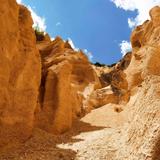
Visiting the Lame Rosse di Fiastra feels like stepping onto Mars, surrounded by fire-colored rocks and tall auburn pinnacles rising dramatically into the sky. This striking trekking route leads to one of the most magical landscapes in the Marche hinterland. The trail begins near the Lake Fiastra dam, where turquoise waters offer a refreshing stop on warm summer days. The path winds through a holm oak forest, providing shade before opening onto the canyon, where vivid red spires contrast sharply with the blue sky. The round-trip hike is approximately 6 km, with 200 meters of elevation gain, and takes about 3 hours to complete.
Assisi
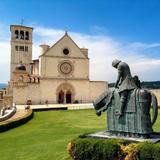
HIGHLY recommend stopping by if you happen to be flying in or out of Rome - it's on the way! Or a day trip! Assisi is a historic hill town in the Umbria region of central Italy, best known as the birthplace of Saint Francis, founder of the Franciscan Order and one of Christianity’s most beloved saints. Originally settled by the Umbrians and later Romanized, Assisi flourished during the Middle Ages as an important religious and cultural center. The town is dominated by the Basilica of Saint Francis, a UNESCO World Heritage Site renowned for its frescoes by Giotto and other masters. Surrounded by olive groves and medieval walls, Assisi has long been a place of pilgrimage, spirituality, and enduring artistic legacy.