Things To Do
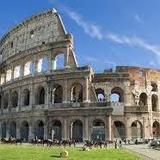
Colosseum
The Roman Colosseum, originally known as the Flavian Amphitheatre, is a massive stone and concrete arena in the heart of Rome. Commissioned in 72 AD by Emperor Vespasian, it remains the largest ancient amphitheatre ever built and could hold up to 50,000 spectators. The structure is a true marvel of Roman engineering, having served as the blueprint for modern sporting arenas across the globe. For over 500 years, the Colosseum hosted legendary, state-sponsored events to entertain the Roman populace, including gladiator contests, animal hunts, and even elaborate, recreated sea battles.
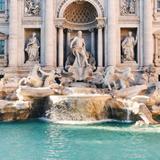
Trevi Fountain
The Trevi Fountain, or Fontana di Trevi, is an iconic masterpiece of Baroque architecture and one of the most famous water features in the world. Completed in 1762, this stunning monument sits at the junction of three roads—the "tre vie"—and marks the terminal point of the Acqua Vergine, an ancient aqueduct that has supplied Rome with water for over two millennia. Dominating the center of the fountain is a dramatic sculpture of Neptune, the god of the sea, riding a chariot pulled by sea horses. Tradition dictates that if you throw a coin over your left shoulder with your right hand into the basin, you ensure a future return to the Eternal City. It is a breathtaking sight, especially when illuminated at night.
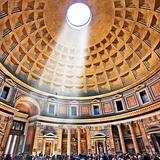
Pantheon
Originally built as a temple to all the gods, the Pantheon is one of the best-preserved monuments of Ancient Rome. Its most striking feature is the massive, unreinforced concrete dome, which remains the largest of its kind in the world. Visitors are often mesmerized by the central oculus, an open circular hole at the dome’s apex that allows natural light—and occasionally rain—to filter into the space. Today, the building serves as a church and serves as the final resting place for several influential figures, including the Renaissance master Raphael.
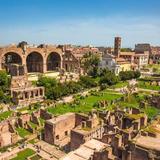
Roman Forum
The Roman Forum was once the bustling heart of the ancient city, serving as the center for politics, commerce, and public life. Walking through this sprawling archaeological site is like stepping back in time, as guests can wander among the ruins of ancient temples, basilicas, and public squares that have stood for over 2,000 years. It is an incredibly atmospheric area, offering a vivid window into the daily life, governance, and religious rituals of the Roman Empire.
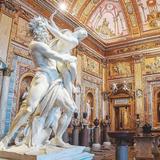
Galleria Borghese
Set within the lush, expansive grounds of the Villa Borghese gardens, this gallery is a must-visit for art enthusiasts. It houses a prestigious collection of sculptures and paintings, including iconic works by Bernini and Caravaggio. Because the gallery limits the number of visitors at any given time, it offers a more intimate and serene experience than many of Rome's larger sites—though it does require tickets to be booked well in advance.
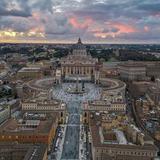
Vatican City
The Vatican City is an independent city-state and the spiritual and administrative headquarters of the Roman Catholic Church. Encircled by Rome, this historic site is home to the Pope and serves as the custodian of some of the world’s most profound cultural and religious heritage. A visit here is a journey through centuries of art, history, and architecture. Guests can explore the awe-inspiring expanse of St. Peter's Square, enter the monumental St. Peter's Basilica, and wander through the vast collections housed within the Vatican Museums. Whether you are seeking spiritual reflection or a deep dive into Renaissance masterpieces, it is an essential experience that captures the profound influence and beauty of the Eternal City.

Sistine Chapel
Home to one of the world's most significant art collections, the Vatican Museums represent centuries of history and creativity. Spanning multiple galleries, halls, and courtyards, the complex houses everything from classical Roman and Greek sculptures to masterpieces of the Renaissance. The crown jewel of the collection is the Sistine Chapel, where guests can stand beneath Michelangelo's world-famous painted ceiling and his towering The Last Judgment fresco.
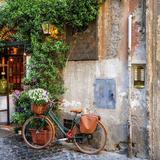
Trastevere
Trastevere is one of Rome’s most enchanting neighborhoods, known for its bohemian spirit and authentic Roman charm. Located on the west bank of the Tiber River, this area feels like a village within the city, characterized by its labyrinthine, ivy-draped cobblestone streets and vibrant, ochre-colored buildings. It is a quintessential destination for an evening stroll, where the atmosphere comes alive with the sound of laughter from local trattorias and the glow of street lamps. Whether you are searching for a traditional pasta dinner, a quiet piazza to enjoy an espresso, or simply a place to get lost in the city's history, Trastevere offers an intimate, relaxed experience that captures the heart of Roman life.

Hands-On Pasta & Tiramisu Classes
Nothing captures the heart of Italian culture quite like its food. Join a local chef for an intimate, hands-on cooking class where you’ll learn the time-honored traditions of crafting fresh, handmade pasta from scratch. You’ll knead and shape favorites like fettuccine or ravioli, discover the secrets to a perfect tiramisu, and—best of all—sit down to enjoy your creations paired with fine local wine. It’s a joyful, convivial experience that offers a delicious break from sightseeing and a skill you can take home with you.

Guided Food & Wine Tours
Experience Rome like a true local by exploring the city’s vibrant food scene. Whether you wander through the historic, ivy-draped streets of Trastevere or the lively markets of the Testaccio district, these guided tours offer more than just a meal. You’ll stop at family-run trattorias, artisanal shops, and hidden wine bars to sample authentic Roman staples like supplì (crispy rice croquettes), artisanal cheeses, cured meats, and seasonal Roman pizzas. It is a wonderful way to see the city’s quieter corners while indulging in the flavors that define Roman life.
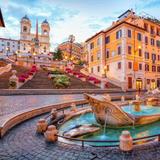
The Trident (Luxury & Haute Couture)
Centered around the Spanish Steps and radiating out through streets like Via dei Condotti, Via Borgognona, and Via Frattina, this area is Rome’s definitive hub for luxury. It is a stunning, pedestrian-friendly district where guests can find the flagship boutiques of iconic Italian and international design houses, including Gucci, Prada, Fendi, Valentino, Bulgari, and Chanel. Even for those not looking to buy, a stroll through this area—often called "The Trident"—is a quintessential Roman experience defined by impeccable window displays and grand architecture. For our international guests, many of the luxury boutiques in the Trident district offer tax-free shopping services. Don't forget to have your passport handy if you plan on making a significant purchase!
New Rome Free Tour
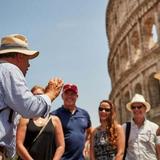
If you are looking for an economical way to get your bearings, "free" walking tours—such as the New Rome Free Tour—are a fantastic option. These tours offer a great introduction to the city's history and layout, led by passionate local guides. These tours operate on a "pay-what-you-wish" basis. While the booking itself is free, it is customary to provide a tip to your guide at the end of the tour to reflect your appreciation for their expertise and time. Pro-Tip: A typical gratuity ranges from €10–€15 per person, depending on your budget and how much you enjoyed the experience. It is a wonderful way to get a "local’s perspective" on the city without a large upfront cost.