Exploring Lucca
Things to Do in Lucca
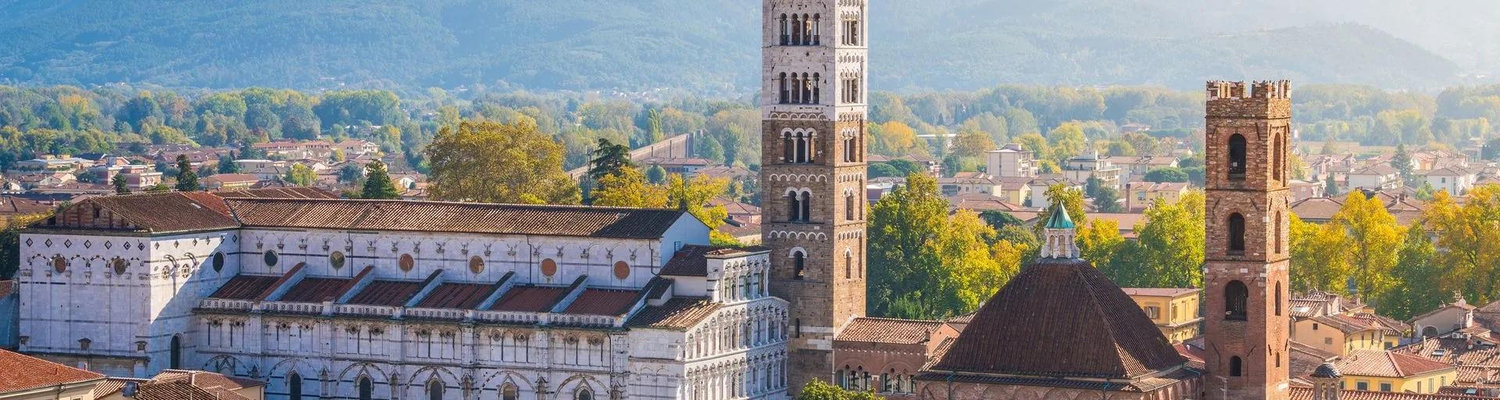
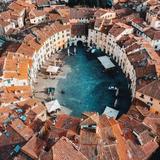
Discover the best of Lucca with this curated list of the top 15 attractions, including Lucca Cathedral, Brolio Castle, and the iconic Devil's Bridge. This guide offers detailed descriptions, insider tips, and practical information to help you plan your visit, whether you’re interested in history, architecture, or local cuisine.
Discover More of Tuscany
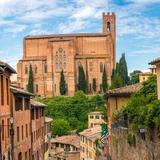
Lucca is perfectly located for exploring some of Tuscany’s most beautiful cities and beyond, each full of history, art, and amazing food. Here are top recommendations for day trips from Lucca: Pisa – Just 30 minutes by train or car to visit the iconic Leaning Tower of Pisa. Florence – About 1 hour and 20 minutes by train (or 1 hour and 10 minutes by car) to see world-famous landmarks. Siena – Around 2 hours and 30 minutes by train (or 1 hour and 40 minutes by car), this stunning city is a true Tuscan treasure. Cinque Terre – Approximately 1 hour by car to La Spezia (or 1.5 hours by train), where visitors can use local transport to explore the five colorful seaside villages. Many travelers use Lucca as a convenient base for this trip.
Restaurants & Dining
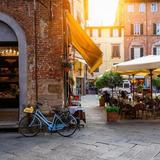
Buca di Sant’Antonio – Historic trattoria serving local favorites like Farro alla Garfagnana (barley soup) and rabbit stews beneath a ceiling of copper pots. Cozy indoor seating or a romantic patio. Ristorante Giglio – Michelin-starred contemporary Italian dining with tasting menus and an extensive wine list. Established in 1979, blending elegance with tradition. Da Leo – Casual, decades-old favorite known for roasted piglet and rabbit. Osteria San Giorgio – Informal, photo-filled rooms serving Farro alla Lucchesse and baccalà with chickpeas. Ristorante All’Olivo – Elegant seafood from Viareggio, indoors or in a covered garden. Trattoria Da Giulio – Over 80 years of serving homey Tuscan classics like sausage and beans and tortelli lucchesi al ragu. Antica Locanda di Sesto – Family-run inn in the Serchio Valley, offering authentic Tuscan cuisine with local ingredients. L’Imbuto – Modern Tuscan cuisine in Palazzo Pfanner with elegantly presented dishes by chef Cristiano Tomei.
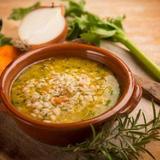
Top Lucca Dishes to Try
Tordelli Lucchesi – Moon-shaped pasta stuffed with a savory mix of meats, Swiss chard, and herbs, traditionally served with a rich meat sauce. Farro Soup – A hearty bowl of spelt, beans, and vegetables, often enjoyed with a drizzle of extra virgin olive oil. Frantoiana Soup – A rustic blend of seasonal vegetables and beans, traditionally prepared during the olive harvest. Garmugia – A springtime soup featuring peas, artichokes, and broad beans, combined with tender veal in a flavorful broth. Biroldo – A traditional Garfagnana salami made from pork offal and blood, offering a unique and rich flavor. Buccellato – A sweet bread flavored with anise and studded with raisins, perfect for a light dessert or snack. Torta d’Erbi – A savory-sweet pastry filled with chard, pine nuts, and raisins, encased in a shortcrust pastry. Castagnaccio – A chestnut flour cake adorned with pine nuts and raisins, offering a rustic and nutty flavor.
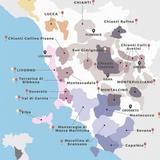
Tuscan Wines Around Lucca
A Wine Lover’s Region – Tuscany is world-renowned for its wines, especially those made from the Sangiovese grape. Classics like Chianti, Brunello di Montalcino, and Vino Nobile di Montepulciano are prized for bold flavors, bright acidity, and perfect pairings with Tuscan cuisine. Lucca’s Hidden Gem – The Colline Lucchesi (Hills of Lucca) is one of Tuscany’s oldest wine regions, dating back to the Etruscans. It produces elegant reds, often softer and more approachable than Chianti, as well as crisp whites. Sea breezes add freshness and balance. Montecarlo Wines – Just east of Lucca, the town of Montecarlo is famed for whites blending local grapes with Trebbiano, Vermentino, and Sauvignon Blanc. It is one of Tuscany’s few areas equally celebrated for whites as well as reds. Strada del Vino e dell’Olio – The “Wine and Olive Oil Road” near Lucca winds through villages, villas, and olive groves. Visitors can stop at family estates for tastings of wine, olive oil, and local specialties.