Things To Do
Tour Guide
We have suggestions for tour guides if interested!
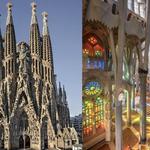
Sagrada Família
Purchase tickets in advance to avoid the long queues! Make sure to bring your own headphones and download the app ahead of time. The expiatory temple of the Sagrada Familia, the construction of which commenced in 1882, is today one of the emblems of Barcelona, known around the world and visited by millions of people. The part built by Gaudí was declared a UNESCO World Heritage Site in 2005. The Construction Board hopes to finish the works in 2026, marking the centenary of Gaudí’s death.
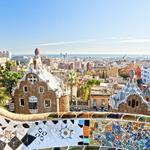
Park Güell
We recommend walking around at your leisure! Park Güell is a sprawling wonderland of colorful mosaics and nature-inspired architecture. It's famous for being one of architect Antoni Gaudí's greatest creations. The park is full of whimsical sculptures and stunning examples of Catalan modernism.
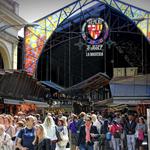
Mercado de La Boqueria
It’s become the most flamboyant and busiest market in the city, bringing together long-term residents and newcomers, vendors of local produce and importers of exotic delicacies, chefs in search of the finest ingredients and tourists in search of a market-fresh meal or snack. The Boqueria is Barcelona’s true centre of gravity.
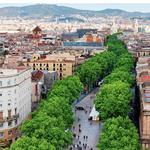
La Rambla
This is a must! It's a walking street filled with vendors and locals. It is also a place where pick-pocketers flourish. It is SAFE! But do keep your purses zipped and wallets tucked. La Rambla is considered the most well known street in central Barcelona. A tree-lined pedestrian street, it stretches for 1.2 kilometres connecting the Plaça de Catalunya in its center with the Christopher Columbus Monument at Port Vell. You will find lots of food vendors, but we recommend sticking to off the beaten path places or our recommended restaurants, as the vendors can cater more to tourists.
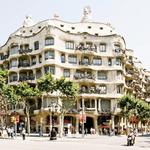
La Pedrera-Casa Milà
Casa Mila (La Pedrera) is regarded as Antoni Gaudi's most iconic work of civic architecture due its constructional and functional innovations, as well as its ornamental and decorative solutions, which broke with the architectural styles of his day.
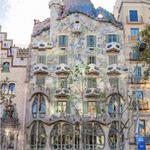
Casa Batlló
Casa Batlló is one of the two great buildings designed by Antoni Gaudí. The building was designed by Gaudí for Josep Batlló, a wealthy aristocrat, as an upmarket home. From the outside the façade of Casa Batlló looks like it has been made from skulls and bones. The "Skulls" are in fact balconies and the "bones" are supporting pillars. Gaudí used colours and shapes found in marine life as inspiration for his creativity in this building e.g. the colours chosen for the façade are those found in natural coral
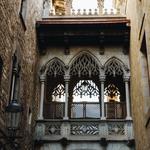
Gothic Quarter
This lovely area has a range of attractions including the wonderful Picasso Museum and the Placa Reial. The area also has several churches and the amazing modernist architecture of the Palau de la Musica Catalana, a UNESCO World Heritage Site.
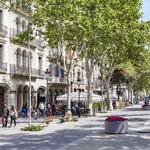
Passeig de Gràcia
Passeig de Gràcia is in the heart of the city and one of the major avenues in Barcelona. This avenue, developed in 1827, was originally created to connect Barcelona to the ancient town of Gràcia, which was not part of the city until 1897. It is regarded as the most expensive street in Barcelona and in Spain. You will find everything from Zara & Mango to Loewe & Chanel. It is also the street where Gaudi's houses are located.
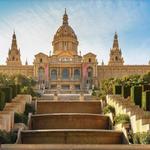
Montjuïc Castle
Montjuïc has been the site of various fortifications, including the Castle of Montjuïc dating back to the 17th century. The area was also associated with political imprisonments and executions, and held significance during the Spanish Civil War. There is a cable car from the beach area that will take you to the top of Montjuic where you can walk to the castle. There is also a fountain show every Thursday to Sunday night that lasts about 15 minutes each time.
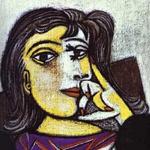
Picasso Museum
Every Thursday afternoons from 4:00pm to 7:00pm are free entry. The Picasso Museum in Barcelona is among the three largest collections of works by the painter next to the Prado in Madrid and the Picasso Museum in Paris.
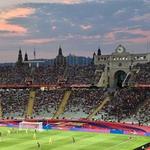
Lluís Companys Olympic Stadium
*currently where the soccer team is playing while Spotify Camp Nou is under construction* Estadi Olímpic Lluís Companys is a stadium in Barcelona, Catalonia, Spain. Originally built in 1927 for the 1929 International Exposition in the city, it was renovated in 1989 to be the main stadium for the 1992 Summer Olympics and 1992 Summer Paralympics.
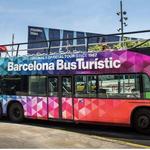
Hop On Hop Off Bus
Discover Barcelona at your own speed and on your own time with the Hop On Hop Off Bus. The three routes of the famous tourist bus take you to all of Barcelona´s famous landmarks and top attractions. Get on and off as many times as you want with a single ticket.

Cooking Class - Cook and Taste
Madison and John have done this cooking class together, and Madison has done the same one many times before. The chefs are wonderful and it is a fun experience to cook some of the local foods! It does take up about 4 hours of the day, but we highly recommend it if you're planning to visit for the week or have already done some of the tourist things in Barcelona. www.facebook.com/cookandtaste
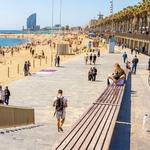
Barceloneta Beach
Barceloneta is the most popular beach in the city and is a must-see with its lively bars and restaurants. Grab food at one of the beach front restaurants, go for a walk, or relax in the sand. It can get crowded, so if you're looking for a quieter alternative to lay on the beach, wander 20 minutes up the coast to Playa de Bogatell (it attracts more locals and fewer tourists).
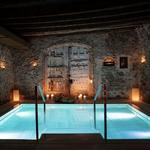
Aire de Barcelona - Ancient Baths
AIRE is located in a 18th century warehouse next to El Born Market. A space for relaxation of body and mind. Thermal baths, massages and more treatments.
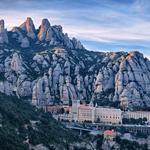
Montserrat
If you're coming to Barcelona for more than a couple days, we highly recommend Montserrat. It's a 45 minute drive outside the city and probably a half day excursion. If interested, we can set you up with a tour guide and assist with transportation contacts! For many visitors a visit to Montserrat is the highlight of their visit. Montserrat is a spectacularly beautiful Benedictine monk mountain retreat about one hour North West from Barcelona by train. Not only is Montserrat Monastery of significant religious importance but the natural beauty surrounding the monastery is simply breathtaking.
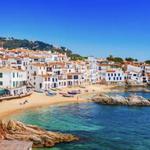
Costa Brava
If this isn't your first trip to Barcelona or you've decided to make this a long vacation, we recommend a day (or overnight) trip outside the city! Within easy reach of the city, either by train or car is the region of Costa Brava. Highlights include the Salvador Dali Museum in Figueres and the superb white buildings and traditional atmosphere in Cadaques. Head out of the city for the beautiful beaches and fewer crowds!