KADOCH WEDDING
Neighborhoods to Visit
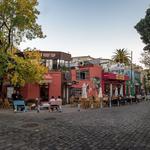
Palermo
Palermo is the largest and trendiest neighborhood for sightseeing and people-watching in Buenos Aires. This area is filled with restaurants, boutiques, bars, and clubs. It's a very hipster neighborhood! Must-See: Plaza Serrano, Eco Parque, Jardín Japonés (Japanese Garden).
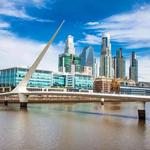
Puerto Madero
Puerto Madero is one of Buenos Aires’ most modern and upscale neighborhoods. It’s located along the city’s waterfront. The area is popular for its scenic views of the Río de la Plata, particularly at sunset. The iconic "Puente de la Mujer": The "Woman’s Bridge" is one of Puerto Madero’s most famous landmarks. You’ll find high-end Argentine steakhouses (parrillas), international cuisine, and bars, many of which offer scenic views of the waterfront. Puerto Madero is within walking distance to the historic Plaza de Mayo, the iconic Casa Rosada, and the bustling San Telmo neighborhood.
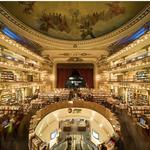
Recoleta
Recoleta is one of our favorite neighborhoods where you can spot French and Spanish architecture. Recoleta Cemetery (Cementerio de la Recoleta), yes, we know it's a cemetery, but it's a must-see! It is one of the most famous landmarks in Buenos Aires, the Recoleta Cemetery is known for its elaborate tombs and mausoleums, including the resting place of Eva Perón (Evita). The cemetery is like a city of monuments, with impressive sculptures and intricate designs. Near the cemetery, you will find a walkway of bars and restaurants (that offer great lunch specials). It's one of our favorite spots! Plaza Francia is a lovely square located next to the Recoleta Cemetery, often filled with people relaxing on its green lawns. On weekends, the Feria de Plaza Francia (an artesenal fair) takes place, where you can find antiques, souvenirs, trinkets, jewelry, and art pieces.
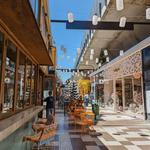
Belgrano
Belgrano is one of Buenos Aires’ most elegant neighborhoods, known for its leafy streets, historic mansions, trendy shopping, and a mix of traditional and modern culture. Located in the northern part of the city, it offers a more residential feel. The best part of Belgrano and a must-see is BARRIO CHINO (Buenos Aires' Chinatown). Barrio Chino, is a bustling Chinatown packed with authentic Asian restaurants, supermarkets, and specialty shops. Whether you’re craving dim sum, sushi, or bubble tea, this place has it all!
San Telmo
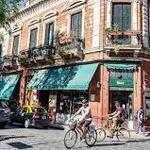
San Telmo is known for its colonial architecture and cobblestone streets. It was one of the city's first neighborhoods, established in the 17th century, and still retains much of its antique feel. San Telmo is the birthplace of tango. The San Telmo Market is a must-visit. It’s a huge indoor market selling fresh produce, meats, cheeses, and local goods. You can also find small shops selling antiques, vintage items, and collectibles. The best oven baked empanadas can be found in this market!
La Boca
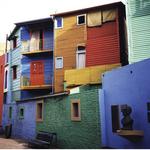
Caminito is the heart of La Boca, a lively pedestrian street filled with brightly painted houses, street performers, artists, and tango dancers. The area was transformed into an open-air museum in the 1950s by local artist Benito Quinquela Martín, who played a key role in preserving the neighborhood's cultural identity. While we are River Plate fans, La Boca is home to La Bombonera, the legendary stadium of Boca Juniors, one of Argentina’s most famous football clubs (and River Plate's rivals). The infamous Diego Maradona played in Boca Juniors. Tango music and dance were born in the working-class barrios of Buenos Aires, including La Boca. You can find tango performances on the streets of Caminito or visit one of the many tango bars to experience the passionate dance up close.
Villa Crespo
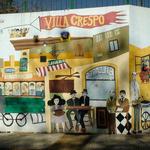
Villa Crespo is the neighborhood where Sharon was born and where her family grew up. Villa Crespo has a traditional association with the Jewish community, with many synagogues, Hebrew schools, and youth movements.