Around Italy
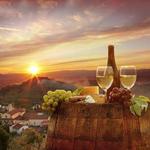
Chianti
Chianti is the hilly land in Tuscany found between Florence, Siena and Arezzo. Here you find the typical Tuscan views of rolling hills, cypress trees, vineyards and farmhouses. Most importantly it's Tuscany's famous wine region and a great spot for tours and tastings!
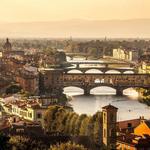
Florence
Florence is the capital of Tuscany and an absolute must-visit! It is known for its art and architecture (home to the Uffizi gallery and the Cattedrale di Santa Maria del Fiore). Explore the many shops and eateries and, on a sunny day, find a bar along the Ponte de Vecchio and watch the world go by!
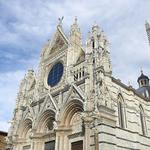
Siena
The medieval city of Siena sits over three hills with the Piazza del Campo in the centre (known for the famous Palio run which takes place twice a year). Siena's steep and windy cobblestone streets are lined with gourmet shops, cosy trattorias and fashion boutiques. Don't miss the Piazza del Duomo which is home to the beautiful Siena cathedral!
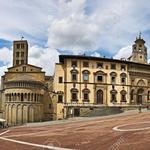
Arezzo
For those that have already ticked off the main Tuscan cities and sights, escape the other tourists and make your way to Arezzo, one of the lesser-known places but one which has plenty to offer. Arezzo is a historic Etruscan city and here you can find the famous frescoes of the Renaissance artist Piero della Francesca.
Montalcino
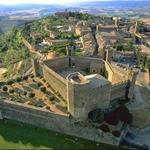
Montalcino is dominated by an imposing fortress and blessed with a impressive history. But this Medieval hill-top town is arguably these days best known for its wines, being home to Brunello di Montalcino, one of the world’s most famous reds. It is located 50 km. south of Siena in Tuscany. The approach to Montalcino is breathtaking, with Medieval spires and its huge fortress towering over the green valley below. Once you’re up there its narrow and steep Medieval streets and stone buildings are the perfect setting for a little food shopping and wine tasting.
Cinque Terre
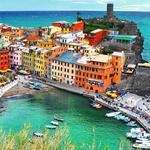
The Cinque Terre, five towns, is a string of five fishing villages perched high on the Italian Riviera in the region Liguria, which until recently were linked only by mule tracks and accessible only by rail or water. The Cinque Terre is noted for its beauty. Over centuries, people have carefully built terraces to cultivate grapes and olives on the rugged, steep landscape right up to the cliffs that overlook the Mediterranean Sea.