Things To Do
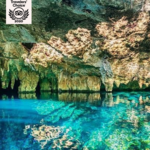
Gran Cenote
A cenote, pronounced seh-NO-tay, are water-filled sinkholes that naturally occur in limestone rock when an underground cave collapses in on itself and exposes the groundwater underneath. There are thousands of cenotes dotted around the Yucatan Peninsula and Tulum is home to some of its most popular and unique.

Dos Ojos Cenotes
Dos Ojos is an anchialine cave system with connections to naturally intruding marine water and tidal influence in the cenotes. The coastal discharge point(s) of this cave system have not yet been humanly explored through to the ocean
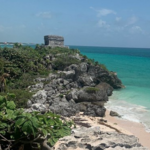
Tulum Archeological Site
The ruins are situated on 12-meter (39 ft) tall cliffs, along the east coast of the Yucatan Peninsula on the Caribbean Sea in the state of Quintana Roo, Mexico.[1] Tulum was one of the last cities built and inhabited by the Maya; it was at its height between the 13th and 15th centuries and managed to survive about 70 years after the Spanish began occupying Mexico. One of the best-preserved coastal Maya sites, Tulum is today a popular site for tourists