We're getting married!
See, do & eat

A Cevicheria
We always pay a visit to "A Cevicheria", one of our favourites in Lisbon. This is a tiny restaurant with no booking, line up and wait for your table with a Pisco Sour or three in your hand. Ceviche Puro is a must, though a full tasting menu works fine too.. :) If the waiting line is too long, you can always have a drink at Gin Lovers across the street while waiting.

Ramiro
Open for over 60 years, "Cervejaria Ramiro" is a Lisbon institution and will serve you one of the best seafood meals in the city. You'll be waiting outside for your table, but that's no worries as long you use the self-service beer tap and chat a long with the other guests. Always finish the meal with a "Prego"!

Time Out Market Lisbon
Located in a popular dining area Cais do Sodre, Time Out Market is a giant food court, and a very popular place to visit in Lisbon, for locals and tourists alike. There’s a big selection of food stalls where you can find food from all over the world. Great for lunch.

Wines of Portugal
Fancy tasting Portugese wines? Or perhaps some Port? You'll find the tasting room in the west part of Praça do Comércio, also known as Terreiro do Paço. You can taste more than 1.000 wines from all regions of the country, with a small room for thematic tastings and a small library. Remember to have som water in between.. ;)
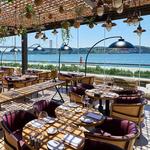
SUD Lisboa
"SUD Lisboa" is located next to the river Tejo and close to the many historical monuments and museums around the Belém area. We normally go here now and then, you will have authentic Mediterranean gastronomy, signature cocktails and good entertainment in Lisbon.
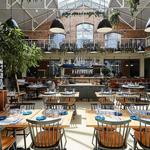
Bairro do Avillez
Several restaurants inside a quarter with various concepts. On your way in you will find the Mercearia (“grocery store”), with books, aprons and olive oil for sale next to Portugal's finest cheese an sausage; the same hall has the Taberna, with its many snacks, some of them original; farther along is the Páteo, for seafood and specially treated meats.
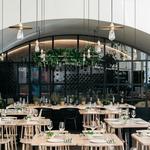
Prado
Prado boasts a casual and contemporary ambience where the “farm to table” concept is to the fore, with a natural focus on seasonal and local market produce and ingredients. Booking recommended.
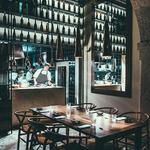
Alma
ALMA ('soul' in Portuguese) is a fine dining restaurant: signature cuisine served informally in a sophisticated setting, with a Michelin Star.
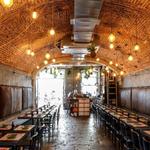
Boa-Bao
The food at this trendy spot will transport you to Laos, Cambodia, Malaysia and Vietnam. The menu includes wok stir-fries, spicy soups, and an entire section devoted to the ever-popular gua bao, or Taiwanese steamed buns (opt for the peking duck, stuffed with hoisin, cucumber, and spring onion).
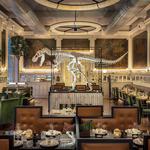
JNcQUOI Avenida
Jncquoi, which is pronounced as you might have guessed (je ne sais quoi), houses a full-size dinosaur skeleton at its center, and a sexy, upscale vibe with high ceilings and tables close together. Chef Anónio Bóia is in the kitchen designing preparing a meal as unique as the restaurant.
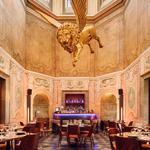
Palácio Chiado
Various gastronomic concepts share the same space, under the curatorship of Chef Manuel Bóia. With a unique offer, due to its originality and diversity, the hard part will be to choose!

Pastéis de Belém
Learn the name; PASTEL DE NATA! Portugal’s signature confection, you'll find it throughout Lisbon. But none of these cinnamon-dusted egg custard tarts are as good as the ones in Belem. Buy a six-pack and sit down in the blue-and-white tiled room or simple grab a package and enjoy it while strolling along the river.

Manteigaria
Even more PASTEL DE NATA! This is the competitor to Pasteis de Belém. Besides the coffe bar in Chiado, they have a shop in the foodcourt "Time out Market". Which one do you like the most?

LxFactory
LX Factory is located in the hipster neighborhood of Alcântara. It’s west of central Lisbon, right near the Ponte de 25 Abril (the bridge). It can be easily accessed by tram, bus, or train. Addicionally, you can also walk there by following the waterfront. You'll find plenty of bars, restaurants, bakeries, clothing shops, bookstores, and more.
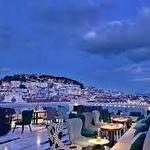
Rossio Gastrobar
On top of the hotel Altis Avenida, close to Rossio Square in the heart of Lisbon, you will find Rossio Gastrobar. This place offers amazing panoramics over Lisbon includes Rossio plaza, the Santa Justa Lift, Tagus River and the Rua Agustina Arch. If you are in the area this is a great spot for lunch.

Sky Bar
Our favourite Lisbon’s rooftop bar on the 9th floor of the Tivoli Avenida Liberdade. Known as the ideal spot for late afternoons, unique sunsets and warm nights, relax and have fun.

Silk Club
Silk is a premium traditional Japanese restaurant that becomes a club after midnight, with a breathtaking view over Lisboa. Reservation recommended.

Gin Lovers Bar & Restaurant
Located in an old embassy, set in a former palace belonging to the crown prince, and offering over 60 gins, cocktails and great food. This is one of the most stunning environments in which you will ever sip a glass of the juniper stuff. You might have a drink here while waiting for your seat at Cevicheria.

Lost In
Lost In is a popular cafe/restaurant with a fabulous terrace on sunny days. Presenting a menu that’s a fusion between the East and the Mediterranean, it’s comprised of various snacks and dishes. The decor lets us travel to India, but the view over Lisbon couldn’t be more Portuguese and the atmosphere couldn’t be more cosmopolitan.

Tram 28
This historic tramline connects Martim Moniz with Campo Ourique and passes through the districts of Alfama, Baixa Chiado, Graca, and Estrela. If you have the time, it might be worth it to do at least part of this journey. However, the tram is often really crowded and it’s also a popular place for pickpockets… So for the best experience, avoid traveling during the day (it’s much quieter in the morning or in the evening). Also, board the tram at one of its end stations (indicated on our map) if you want to be sure to get a seat.

Jerónimos Monastery
Jerónimos Monastery (Mosteiro dos Jerónimos) is one of the absolute must-sees in Lisbon! This monastery is located in Belem, a bit outside of the city centre, and was built during the 16th century. It is a marvellous example of Gothic and Baroque architecture and a UNESCO World Heritage Site. This is also where the historic Treaty of Lisbon was signed.
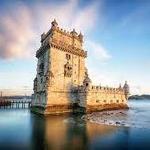
Belém Tower
The Belém Tower (Torre de Belém) was built next to the Tagus River in the 16th century as an advanced fortress to protect Lisbon Harbor and as a symbol to the Age of Discovery (15-16th centuries). The Tower would have been the last part of Portugal many sailors and navigators saw as they set out on their voyages of discovery.
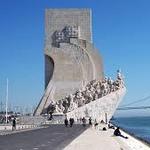
Padrão dos Descobrimentos
The Padrão dos Descobrimentos (Monument to the Discoveries) was designed to commemorate the Age of Discoveries in Portugal. Catch the lift to the top and visit the terrace, which offers a bird’s-eye view of the river and the monuments of Belém.
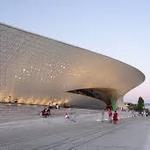
MAAT
Set on the River Tejo’s edge near Belém, the Museum of Art, Architecture and Technology (MAAT) deals with contemporary art. Even if you don't go inside, the architecture is really impressive and well worth seeing (both the modern part as well as the old power station).

Museu Coleção Berardo
Located next to Jerónimos Monastery, this museum presents a world-class collection of modern and contemporary art. It belongs to Portuguese businessman Joe Berardo, who collected works by major European and American artists like Picasso, Magritte, Paula Rego, Andy Warhol and Roy Lichtenstein.

National Coach Museum
A museum filled with fairytale carriages. These magnificent vehicles transported European royalty and nobility throughout the centuries. While most royal carriages were destroyed over time throughout Europe (especially in Paris after the French Revolution), in Portugal they were preserved thanks to Queen Amélia’s visionary idea of placing them in a museum.

Museu Calouste Gulbenkian
Treasures from the East and the West collected by one man is now one of the world's finest private art collections. It includes works by Rembrandt, Rubens, Monet and René Lalique.
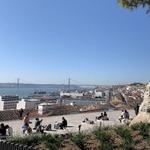
Miradouro Adamastor
This terrace miradouro offers stunning views of the port and the 25 de Abril Bridge. There are coffee shops and restaurants in the surroundings which serve meals throughout the day. This is mostly a sunset destination, especially in autumn, when the sun disappears behind 25 de Abril Bridge.
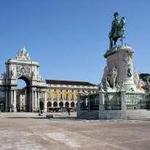
Praça do Comércio
Praça do Comércio, Commerce Square in English, is Lisbon’s main square. It was built on the site where the old Royal Palace used to exist before it was destroyed by the earthquake of 1755. The arch has now a lift that takes you to a terrace, which offers a wonderful 360-degree-view over Praça do Comércio, Rua Augusta, the cathedral, and all of downtown.
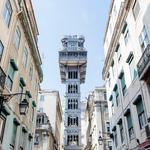
Santa Justa Lift
This elevator was designed by Portugal native Raoul Mesnier du Ponsard. It is also known as the Elevador do Carmo and it is dated from 1902. Mesnier du Ponsard was a student of Gustave Eiffel, so it’s not surprising that the public elevator, crafted from cast iron and embellished with filigree, flaunts a distinct turn-of-the-century French style.
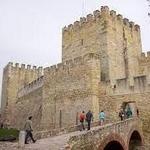
Castelo de S. Jorge
St. George Castle (Castelo de S. Jorge), built by the Moors in the mid 11th century, is an impressive castle set high on one of the hills in the center of Lisbon. Located in the Alfama district, it has some of the best views over the entire town. And because it’s so close to all the other main sights in Lisbon, this castle is extremely popular and very busy, especially during the day.
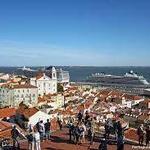
Miradouro das Portas do Sol
This miradouro (viewing point) is right next to Santa Luzia. Visiting this lookout is also an excuse to enjoy Lisbon’s most genuine traits with a fantastic view of the Alfama district’s eastern front and the Tejo River, which extends to the edge of the river in a unique maze of streets, stairways and alleys. Be careful of pickpockets. There are also people who offer wristbands and small ‘gifts’; avoid them as they ask for money later!
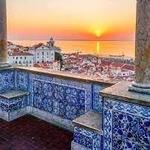
Miradouro de Santa Luzia
Miradouro Santa Luzia is the best viewpoint in Alfama and it’s one place you really shouldn’t miss! Here, you can enjoy one of the best views of the rooftops of Alfama and the cruise ships passing by in the distance. This is a bustling, picturesque area where you will find lots of cafes. It’s also a good place to see colorful city trams and also azulejos, traditional ceramic tiles of Portugal. Be careful of pickpockets. There are also people who offer wristbands and small ‘gifts’; avoid them as they ask for money later!
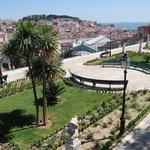
Miradouro de São Pedro de Alcântara
This is one of the most attractive miradouros (view points), with a pleasant garden and the castle standing on the opposite side. It's especially beautiful at night, when the city is lit up below.
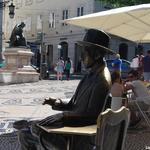
Chiado
Chiado is located between the Baixa and the Bairro Alto districts of Lisbon, and it can be best described as the hub of the most exhilarating shopping and cultural opportunities in the city. Rua Garrett seems to be paradigmatic in this respect, being lined with all sorts of fashion boutiques and shops. The district is also dotted with theaters and it is reputed for its traditional popularity with the intellectual and artistic elite of the city.
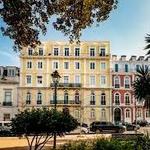
Principe Real
This charming neighborhood (named "Royal Prince" in honor of Queen Maria II's first born) extends north of Bairro Alto. It has become one of Lisbon’s trendiest districts, with sophisticated shops and restaurants.
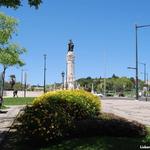
Avenida da Liberdade
Like many other major European boulevards, Avenida da Liberdade was inspired by Paris’ Champs-Élysées. It's a tree-lined avenue connecting two squares (Praça dos Restauradores and Praça Marquês de Pombal), and is known for its luxury stores (which actually start on Rua Castilho to the north). However, it’s not all about luxury -- there are several kiosks scattered along its 1.5 kilometers (1 mile), specializing in different foods and drinks, at reasonable prices.
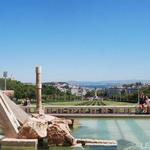
Parque Eduardo VII
A short walk from the central Avenida da Liberdade (or just a metro ride away), this is the biggest park in the center of Lisbon. It has a children’s play area by its greatest attraction, a greenhouse with exotic plants and ponds.
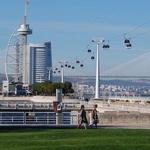
Parque das Nações
Parque das Nações is Lisbon’s most child-friendly district, with plenty of open space and educational attractions. There are many traffic-free streets and waterside walkways, bikes for hire and playgrounds, but the highlight is the Oceanarium, one of the world’s biggest aquariums, with thousands of sea creatures, including seahorses, sunfish, sharks, otters, and penguins.

Oceanário de Lisboa
Not only is this one of the largest aquariums in the world, it's also one of the best designed, and, according to traveler reviews, the world’s favorite. It was created for the World Fair that took place in Lisbon in 1998, and was the first aquarium to show all ocean habitats in one single space.

Sintra
Europe’s capital of romanticism is just 40 minutes from Lisbon. You need an entire day to see all of the fairytale castles and palaces, but the must-sees are: Pena Palace It’s one of the world’s most spectacular palaces and one of Europe's most eclectic constructions. Resembling a fairytale castle. Quinta da Regaleira An enigmatic neo-Manueline (Portuguese Gothic-Renaissance) monument is a magical place of fantastic gardens, grottoes, lakes, and a well with a monumental staircase spiraling down nearly 100 ft. Monserrate The palace mixes different styles, from the neo-Gothic to the neo-Moorish, and is topped by a dome inspired by the Duomo in Florence. It’s surrounded by a lush park with a remarkable botanical collection, with species from around the world, waterfalls and lakes, many of them created by Beckford and Cook.
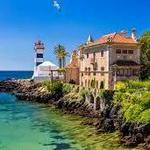
Cascais e Estoril
Cascais and Estoril are part of what is know as Lisbon Riviera and they became one of the most cosmopolitan and touristic places in Portugal. To get there, follow the waterfront road from Lisbon to Cascais or take the train. It’s a very scenic route, always hugging the River Tagus and the busy beaches of the Estoril coast. There is also a continuous beachfront promenade connecting Cascais to Estoril. It’s an enjoyable 25-minute walk, following the sea for 3 km, starting in Praia da Conceição in Cascais to the west, and ending in Praia da Azarujinha in Estoril to the east.

Visit Lisboa - Tourist Guide
Have a look at the official tourist guide as well, and read about wonderful Cascais, several sand beaches and much more.