Things To Do
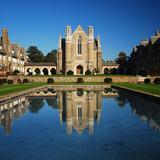
Berry College
If you have some extra time while you're in town, we highly recommend visiting Berry College! Known for having one of the largest and most beautiful college campuses in the world, it features stunning mountain views, historic buildings, peaceful walking trails, and picturesque spots perfect for exploring or taking photos. Whether you enjoy scenic drives, a quiet nature walk, or charming architecture, it’s a lovely way to experience the beauty of the area during your visit.
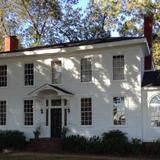
Chieftains Museum/Major Ridge Home
The Chieftains Museum & Major Ridge Home is a National Historic Landmark located in Rome, Georgia. It serves as a vital center for preserving and interpreting the history of the Cherokee Nation and the events leading to the Trail of Tears. The museum is housed in the former residence of Major Ridge, a prominent Cherokee leader, warrior, and statesman. Originally a log cabin built around 1819, the house was expanded into a two-story white frame plantation home, reflecting the "civilization" and adaptation strategies adopted by some Cherokee leaders in the early 19th century. Major Ridge was a central figure in one of the most controversial moments in American history. In 1835, he and a minority group known as the "Treaty Party" signed the Treaty of New Echota, ceding Cherokee lands to the U.S. government in exchange for land in Oklahoma. This act, intended by Ridge to save his people from total destruction, ultimately led to the forced and devastating "Trail of Tears."

Rome-Floyd E.C.O. Center
The Rome-Floyd E.C.O. Center showcases the diversity of the Etowah, Coosa and Oostanaula rivers that converge in the center of Historic Downtown Rome. Exhibits feature live aquatic life and wildlife from Coosa River watershed. Large tanks showcase native fish species, including the highly endangered sturgeon. In operation as the E.C.O. Center since 2011, the LEED Gold-certified building opened in 1893 as a freshwater pumping station for the City of Rome. The original brick structure in Ridge Ferry Park transported water from the Oostanaula River to the filtration complex atop Jackson Hill.
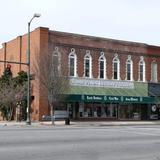
Rome Area History Center
The Rome Area History Museum's permanent exhibits create a walk through time starting with the Indigenous Americans and early settlers, through the founding of Rome, the Civil War, and then the development of Rome's more contemporary culture, life ways and industries. Original documents such as maps, blueprints, photos, correspondence and business records provide primary sources that paint a picture of Rome's history. Stories of individual sacrifice and courage are found throughout the exhibits.
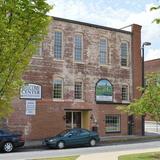
Downtown Rome, Georgia
Nestled in the foothills of the Appalachian Mountains, downtown Rome is a vibrant historic district where three rivers—the Etowah, the Oostanaula, and the Coosa—meet. Known for its wide, walkable Broad Street and its charming mix of Victorian architecture and modern boutiques, there is something for everyone to enjoy.