Caro & Christian
Things To Do / Actividades
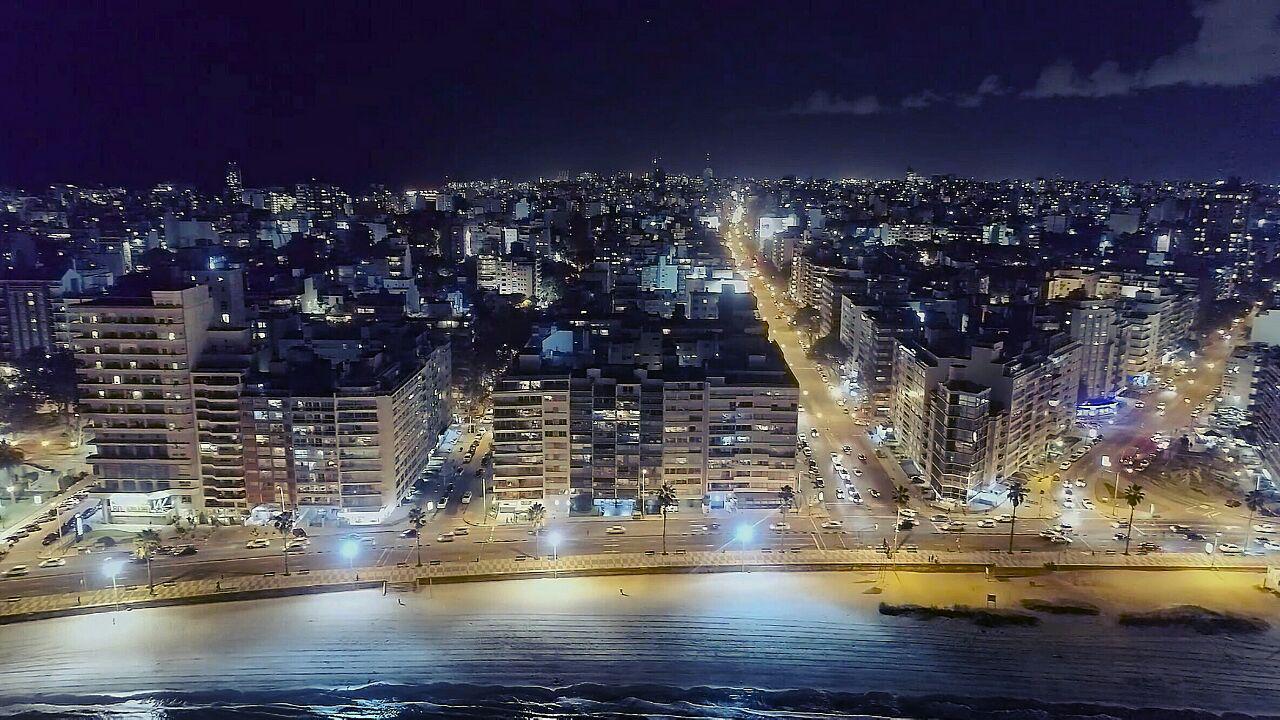
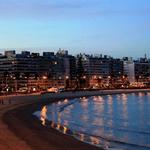
Pocitos
An upscale beach-side neighborhood, Pocitos is known for its ample white sandy beach, Playa Pocitos, the Rambla that lies alongside it and it's ritzy boutiques. The neighborhood is adjacent to the Punta Carretas district and home to the most popular beach in the City (and location of the Hollywood-inspired Montevideo sign), hosting a variety of outdoor athletic activities such as beach soccer tournaments, volleyball matches, nautical events, among others.
Ciudad Vieja
Montevideo was born under Spanish rule as a strategic military fort. Its original stone walls, built around 1741, were pulled down in 1829 but the original entrance to the fortress (Puerta de la Ciudadela) is still standing and can be found between the Plaza Independencia and Peatonal Sarandí. This landmark separates the old part of the city from downtown. Walking around the Ciudad Vieja (the old city) visitors encounter colonial buildings, museums, galleries, cafes, restaurants, bookstores, antique shops, boutiques, and many other attractions. Must see: Plaza Independencia (Mausoleo de Artigas; Puerta de la Ciudadela; Palacio Estévez; and Palacio Salvo)
Solís Theatre
LOCATION: Ciudad Vieja Solis Theatre (Spanish: Teatro Solís) is Uruguay's most important and renowned theatre. It opened in 1856 and the building was designed by the Italian architect Carlo Zucchi. It is located in Montevideo's Old Town, right next to the Plaza Independencia. Catch a play, opera or even take the guided tour.
Peatonal Sarandí
LOCATION: CUIDAD VIEJA Peatonal Sarandí is the main pedestrian street of Ciudad Vieja and the most frequented tourist venue of the city. It starts from the Ciudadela, runs along Plaza Constitución (commonly called Plaza Matriz) and ends at the Rambla (the coastal avenue), at the eastern end of Ciudad Vieja. As an extension of this street is the long southern breakwater of the Port of Montevideo. You'll find some classic architecture along Peatonal Sarandí, as well as art galleries and many shops. Some of its landmarks include the Museo Torres García, and the Montevideo Metropolitan Cathedral, commonly known as Iglesia Matriz, which also gives to the square the popular naming Plaza Matriz.
Mercado del Puerto
No visitor should miss Montevideo’s old port market building, at the foot of Pérez Castellano, whose impressive wrought-iron superstructure shelters a gaggle of bustling parrillas (steak restaurants). On weekend afternoons in particular, it’s a lively, colorful place where the city’s artists, craftspeople and street musicians hang out. We recommend going to El Palenque with an empty stomach.
Escaramuza
LOCATION: Parque Rodo A gorgeous, high-ceilinged bookstore with colorful tiled floors forms the entrance to this charming cafe, tailor-made for a quiet midmorning coffee and snack or a late afternoon craft beer (note that tables fill up rapidly at lunchtime). The simple menu offers spinach tarts, homemade soups, and sandwiches on bread that is dense and moist (a rarity in a city that prefers the airy baguette), plus a generous selection of desserts, like carrot cake and brownies. The spacious garden is a romantic spot for dinner under the trees.
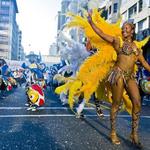
Carnaval
Montevideo has the world's longest carnival starting January thru early March - roughly 40 days! Mardi Gras will be on March 5th, so you will be in the city during it's most lively time. On top of the official parades, you can expect Llamadas (drum parades featuring groups of drummers and dancers, that will pop up nightly); Comparsas (the very stylized historical parades) and Murgas (a mix of music, satire and slapstick).
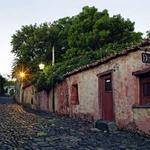
Colonia del Sacramento
Colonia del Sacramento is an easy day trip from Montevideo and you will experience the colonial charm of this coastal city. As you explore the cobblestone streets of the Barrio Histórico, the UNESCO World Heritage-listed historic area of Colonia, admire the city's well-preserved colonial architecture and learn about the city’s interesting history. Originally founded by the Portuguese in the late 1600s, Colonia was later disputed over by the Spanish and was incorporated into Brazil in the early 1800s. Now part of Uruguay, Colonia's buildings in this historic area combine both Portuguese and Spanish influences. Distance from Montevideo 157 km or about 2.5 hours to drive.
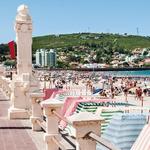
Piriápolis
With its grand old hotel and beachfront promenade backed by small hills, Piriápolis is reminiscent of a Mediterranean beach town and exudes a certain old-school coastal resort charm. It was developed for tourism in the early 20th century by Uruguayan entrepreneur Francisco Piria, who built the imposing landmark Argentino Hotel and an eccentric hillside residence known as Castillo de Piria. Distance from Montevideo is 98.2km roughly 1.5 hours
Punta del Este
One of the world's hubs for the jet-set and international celebrities, Punta Del Este is the primer beach resort in South America - the Hamptons of the South. Punta del Este is a world renowned beach town on a narrow peninsula in southeast Uruguay. Popular Brava Beach is known for its strong surf as well as "The Hand," a giant sculpture of five fingers. On the west coast, Mansa Beach has calm, shallow waters. Distance from Montevideo is 131 km or about 1.5 hours.
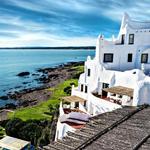
Casapueblo
Casapueblo is a building constructed by the Uruguayan artist Carlos Páez Vilaró. It is located in Punta Ballena, nearby Punta del Este, Uruguay. It was originally a summer house and workshop of the artist whose design was influenced by the Hornero's nest, a typical bird of Uruguay, taking 36 years to complete. It now houses a museum, workshop, an art gallery, a cafeteria and a hotel. It's one of the most beautiful spots in the country to catch a sunset. Distance from Punta del Este is 14km or 20 minutes driving.
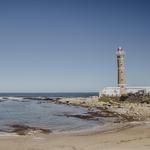
José Ignacio
Beginning in November and running through February, Uruguay’s José Ignacio transforms from a sleepy fishing village into a buzzing haven for surfers and international jet-setters swapping their winters for South America’s summer season. Just under an hour from the chic Punta del Este, Jose Ignancio is a lively and social scene indeed, but for those seeking a quieter, mellow respite from the stresses of urban life, it’s still very possible to enjoy this popular coastal destination while keeping a low profile. Distance from Montevideo is 160 km about 2 hours driving or from Punta del Este its 40 minutes.
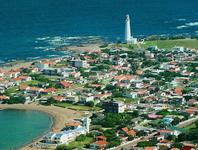
La Paloma
La Paloma sits on a small peninsula 225km east of Montevideo, in the pretty rural department of Rocha. The town itself is rather bland and sprawling, but the surrounding beaches offer some of Uruguay's best surfing. On summer weekends the town often hosts free concerts on the beach, making accommodations bookings essential. Driving distance is a little over 3 hours from Montevideo.
Cabo Polonio
Northeast of La Paloma at Km 264.5 on Ruta 10 lies the turnoff to Cabo Polonio, one of Uruguay’s wildest areas and home to its second-biggest sea-lion colony, near a tiny fishing village nestled in sand dunes on a windswept point crowned by a lonely lighthouse. Despite a growing influx of tourists, Cabo Polonio remains one of Uruguay’s most rustic coastal villages. There are no banking services, and the town’s limited electricity is derived from generators, and solar and wind power. Distance from Montevideo is 252km about 3 and a half hours driving or 45 minutes from La Paloma.
San Pedro de Timote Hotel del Campo
For the last two centuries, San Pedro de Timote has been the pride of Uruguay's estancias – a traditional country estate and ranch. Today it’s a charming countryside hotel full of history which still retains the atmosphere of a stately estancia. Probably Uruguay’s best-known estancia, it’s a great place to relax, horse-ride, take long strolls. This is a great opportunity to experience traditional Uruguay and enjoy the Gaucho lifestyle. Distance from Montevideo is 157 km about 2.5 hours to drive.
Punta Carretas Shopping
LOCATION: Punta Carretas Punta Carretas is a chic neighborhood that is adjacent to Pocitos; here you can find lots of boutique shops and restaurants. The shopping center was built on the foundations of a historic prison, now houses Montevideo’s trendiest stores. This large mall has tons of upscale stores and eateries, plus a cinema and a large super market covering just a few steps away for all your needs.
La Otra - Parrilla
LOCATION: Pocitos In a city of parillas, this is our family favorite! The ultimate neighborhood parrilla, this corner spot is popular with locals and a few tourists who have sniffed out its top-notch cuts of beef and house-made chimichurri. Be prepared for laid-back and occasionally forgetful service, but it’s always with a smile, and the perfectly cooked asado is totally worth having to remind the server to bring the check. There’s also a good wine list with some top Uruguayan vintages, and the house-made flan (with a dollop of the ever-present dulce de leche) is one of the best in the city.
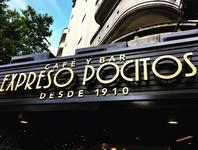
Nuevo Expreso Pocitos
LOCATION: Pocitos This is our local go to spot. No matter what you eat, make sure you eat a Massini for dessert - the best in the city! A landmark restaurant that’s been around since 1910, This is where to go for one of the best chivitos in the city. The steak sandwich, when ordered canadiense-style — as it should be — is composed of a gut-busting roll stuffed with steak, ham, cheese, bacon, lettuce, tomatoes, mayonnaise, hearts of palm, and olives. The chivito is the signature sandwich of Uruguay.

Costa Azul
LOCATION: Pocitos There are few things as classic in Montevideo as Pizza and Faina - and few do it better than Costa Azul. Faina is chickpea flatbread which goes great with white pepper, but even better on top of your pizza! In Uruguay cheese is considered a topping, so make sure you order a "muzzarella"; if you want the homemade experience order a "comun" - a pizza with no cheese.
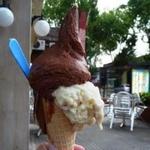
La Cigale
LOCATION: Pocitos We recommend getting the Dulce de Leche Granizado! Ice cream is a year-round indulgence in Uruguay, and one of the most popular chains, La Cigale, also happens to be the best. There are locations in almost every neighborhood, some of them dating back decades, and the ice cream is reliably creamy and high-quality. The shop in Pocitos is across the street from the Rambla, the promenade where locals stroll, walk, and bike by the beach.
Medialunas Calentitas
LOCATION: Pocitos Uruguay is famous for its European style pastries and croissants - which are eaten round the clock. In a city with amazing bakeries on every corner, Medialunas stands out way above the crowd. You can’t go wrong, but you must try their sugar glazed croissants and wash them down with cappuccino. If you’re still hungry try one of the classic sandwiches or empanadas, but make sure you finish with a chocolate covered alfajor or conito. We recommend you grab a bag of croissants and head down to La Rambla to watch the sunset.
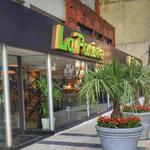
La Pasiva Av Brasil
LOCATION: Pocitos You can find locations throughout Montevideo, but this is our local stop. Famous for its mustard, slathered over panchos (hot dogs), La Pasiva has options for every palette. You can find everything from pizza, to Milanesas (breaded deep-fried steak), to the classic Chivito. We recommend getting the bacon wrapped hotdogs, bathed in mustard, with a chop of local beer.
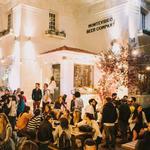
Montevideo Beer Company (MBC)
LOCATION: Pocitos A recent arrival on the bar scene, this airy spot has a beer garden with communal tables that are packed nearly every night during the summer and a menu of the country’s best craft beer — it’s a one stop shop for an overview of the new Uruguayan artisanal beer landscape. The Cabesas IPA is one of the top choices, as is anything by Volcanica. They have great burgers and fries to go with your choice of craft beer.
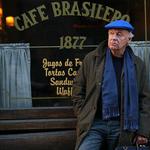
Cafe Brasilero
LOCATION: Ciudad Vieja Since 1877 this tiny cafe in Montevideo has played a bigger role in Uruguay’s history than its small size might indicate. Cafe Brasilero is the oldest cafe in the capital city, and has long been the center of its bohemian culture, attracting artists, writers, and musicians over its 140-year history. Iconic Uruguayan artists who frequented include tango master Carlos Gardel and writer Mario Benedetti.
Mercado Ferrando
LOCATION: Cordon One of the new trends in the Montevideo culinary scene is to take an old factory and redesign it as a marketplace/eatery. Mercado Ferrando is the latest and most popular of these new eateries - you can find types of food from all over the world. Make sure you get the sample plates from each stand to have the chance to try everything!
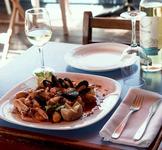
Marisquería El Italiano
LOCATION: Buceo (next to the yacht club) Be prepared to wait for a table on summer weekends at El Italiano, a seafood spot by the water (although you have to walk around to the back of the restaurant to see it). The slew of outdoor tables, shaded by umbrellas, are filled with families and groups of friends feasting on grilled corvina, calamari, and octopus along with a bottle or two of albariño from an Uruguayan vineyard.
Hotel Sofitel Montevideo Casino Carrasco and Spa
Originally opened in 1921 as a summer escape for the Uruguayan elite, this stunning Belle Époque waterfront building, known as the "palace on the sand," underwent a recent restoration paying homage to its original French style. Whether you want to gamble; dine the hotel's elegant French restaurant, 1921, which employs one of Uruguay's best sommeliers; or stay in a world class hotel, this is the spot for you.