Things To Do
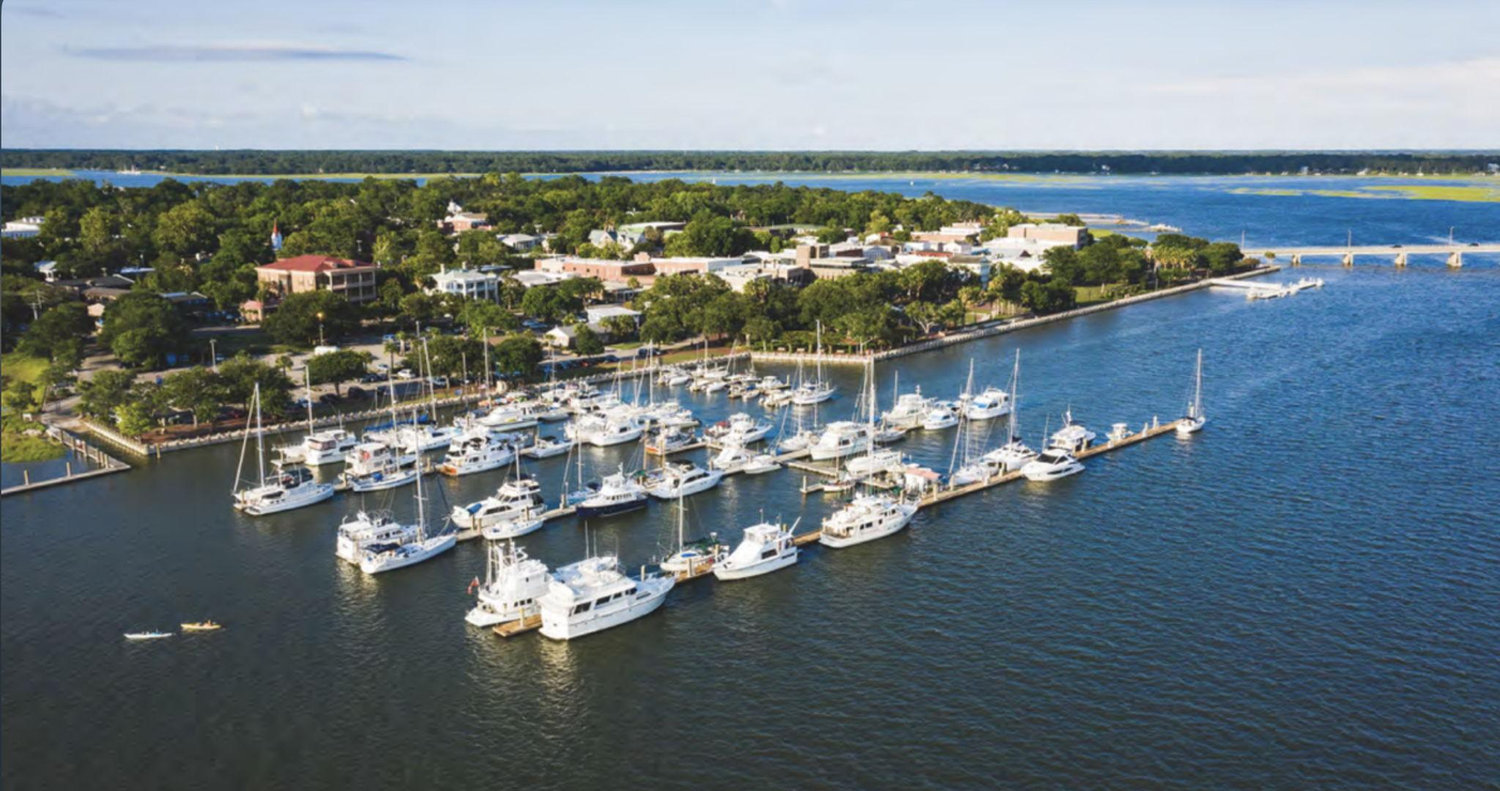
Downtown Beaufort, SC
Downtown Beaufort, SC, is a historic coastal gem on Port Royal Island known for its antebellum mansions, moss-draped oak trees, and scenic waterfront views. Centered around Bay Street, the historic district offers highly rated local dining, boutique shopping, and preserved 18th- and 19th-century architecture. Easily walkable.
Superior Coffee & Lowcountry Cider Company Breakfast and Lunch
Great coffee located on the center of Bay Street. Great breakfast and lunch and nice place to rest your feet! 7:30 am - 6 pm

Citi Java and News, Coffee Shop in Citi Loft Hotel
Great retro coffee shop!
Plums Restaurant Lunch only
Our favorite lunch spot! Open 11 - 4 daily Sit outside if you can!
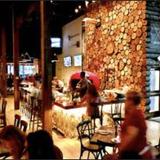
Hearth Wood Fired Pizza
Fantastic wood fired pizza and other italian dishes! Cool atmosphere and bar.
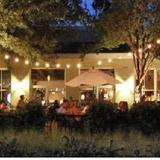
Saltus River Grill
Modern sophistication with the Coastal vibe of Beaufort, creating a warm and inviting atmosphere for all who enter. Sushi bar! Open 5pm until, 7 days a week Reservations made on website
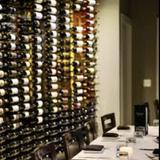
Breakwater Restaurant and Bar
Southern Cuisine. Worldwide flair. The panorama of southern charm and enchanting cuisine. Open 5 - 9pm, M - Sat Reservations made on website
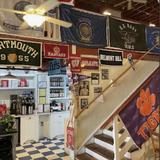
Blackwater Cafe Breakfast and Lunch
Best and coolest breakfast in town! 7:30 am - 2 pm daily

Old Bull Tavern Gastropub
The Old Bull Tavern is Beaufort’s One and Only high-energy, eclectic, friendly neighborhood Gastropub featuring an ever-changing, market-based menu of European and American comfort foods, innovative cocktails, select craft beers, and wines in bottle and on tap. Highly Recommended! Reservations recommended on Resy. Open for dinner from 5 PM to 9 PM, Tuesday through Saturday Bar is open from 5 PM – 11 PM, Tuesday – Thursday 5 PM – 12 PM, Friday and Saturday 5 – 9 pm on Sunday
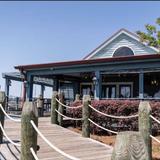
Fishcamp on 11th
Great seafood and oysters on the docks overlooking Parris Island.
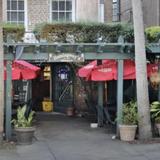
Hemingways Bistro and Bar, Nightlife, Lunch and Dinner
Cool local watering hole in the basement of a historic building. A nice place to be if you can find it! Enter from waterside park. Open daily 11 AM to 1:30 AM EVERY day KITCHEN 11am - 3pm Monday through Friday, 11am - 5pm Saturday and Sunday Light snacks available until closing after the kitchen closes.
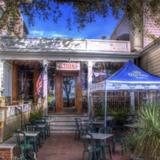
Luther's Rare and Well Done Bar, Lunch and Dinner, Nightlife
Kitchen closes at 9 pm Bar closes at 2 am
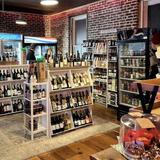
Sweetgrass Pantry and Provisions
10 am - 6 pm daily A few convenient steps from The Beaufort Inn, You'll find a fantastic selection of wine, beer, and quality snacks, cheeses, breads, sweets, etc. to enhance your stay!
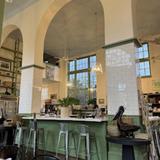
Lowcountry Produce
Open 8am - 8:30 pm

Hunting Island State Park and Beach
Visit the historic Hunting Island lighthouse, recently seen in Netflix Outer Banks series. Enjoy a sunrise, walk along the beach and look for sharks’ teeth and other shells that have washed ashore. Visit the nature center at Hunting Island State Park and see the alligators! Visit the Marsh Boardwalk, the best place in the Lowcountry to watch the sunset. Take a ferry from Hunting Island for a naturalist-led tour of St. Phillips Island, where you can explore trails, enjoy the beach, and see wildlife of this pristine barrier island. Park Hours: 6 a.m. - 6 p.m., daily (extended to 9 p.m. during Daylight Saving Time) Film location for war scenes in Forrest Gump and GI Jane.
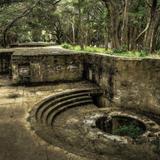
Fort Fremont Preserve
Fort Fremont was built in 1899 by the Army Corps of Engineers using local labor on condemned private property on Saint Helena Island across the Beaufort River from the Naval Station. It was designed to play a vital role in the protection of the strategic dry dock and coaling station which remained critical to the Atlantic Fleet during the Spanish American War period. Seen recently in the Netflix Series, Outer Banks!
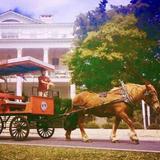
Sea Island Carriage Company
"Look for the RED ROCKING CHAIRS!" Experience Beaufort‘s rich history and unique charm on a 50-55 minute, fully narrated, horse drawn carriage tour. You’ll slip back into Beaufort’s elegant past as your carriage meanders under the moss covered Live Oaks, past breathtaking Antebellum homes, historic churches, movie sites and more....
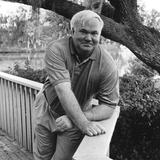
Pat Conroy Literary Center
The Pat Conroy Literary Center is dedicated to cultivating a passionate and inclusive reading and writing community in honor of Pat Conroy, one of America’s most beloved storytellers. Known for his extraordinary storytelling, truth-telling courage, and great heart, Pat began his career as a teacher in Beaufort, SC, and went on to inspire countless readers and writers through his acclaimed works, including The Water Is Wide, The Great Santini, The Lords of Discipline, and The Prince of Tides.
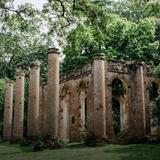
Old Sheldon Church Ruins
A must-see, Old Sheldon Church was originally known as Prince William's Parish Church and was built in the Greek Revival style between 1745 and 1753. It was burned down by the British in 1779 during the Revolutionary War. In 1826, it was rebuilt only to be burned again by General Sherman in February 1865. Today, these gorgeous ruins from a bygone era are found amongst majestic oaks and scattered ancient graves. Inside the ruins of the church is the burial site of Colonel William Bull, who, along with General Oglethorpe, was key in establishing the physical layout of Savannah, Georgia. It is now a popular site for wedding ceremonies, photographers, and ghost hunters. An annual worship service is held the second Sunday after Easter.
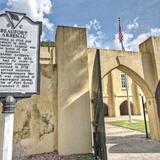
Beaufort History Museum
To relive the area’s rich history, start with a visit to Beaufort History Museum at the historic Arsenal (1798) in downtown Beaufort! One of our knowledgeable Docents can guide you through 450 years of Beaufort’s past, recounting stories about this place that shaped America. Open Sat 10:00 AM - 3:00 PM*
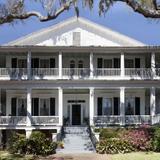
The 'Big Chill' House
"The Big Chill" house, officially known as Tidalholm, is an iconic 1853 antebellum mansion located at 1 Laurens Street in Beaufort, South Carolina. Famous for starring as the primary filming location for the 1983 classic film The Big Chill, it is a private residence. While you cannot tour the inside, you can easily view the 7,400-square-foot architectural gem from public roads and sidewalks along the Beaufort River.
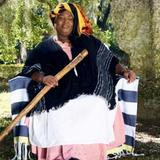
Penn Center and Gullah Culture
The Gullah are African Americans who live in the Lowcountry region of South Carolina and Georgia, which includes both the coastal plain and the Beaufort Sea Islands. The Gullah are known for preserving more of their African linguistic and cultural heritage than any other African-American community in the United States. They speak an English-based creole language containing many African loanwords and significant influences from African languages in grammar and sentence structure; Gullah storytelling, cuisine, music, folk beliefs, crafts, farming and fishing traditions, all exhibit strong influences from West and Central African cultures. Penn Center, the campus of the former Penn School, one of the nation’s first schools for formerly enslaved people, is one of the most significant African American institutions in existence today.
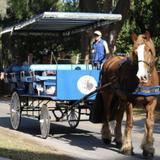
Southurn Rose Carriage Tours/ Beaufort Buggy Tours
You are invited to join us for a Narrated Horse Drawn Carriage Tour of Historic Beaufort SC. Learn all about the history our town has to offer. Re-live the past through the narration of our professional guides and the clippity-clop of our horses. Learn about Beaufort’s Civil War History. See Antebellum and Victorian Architecture as well as Hollywood movie sites.
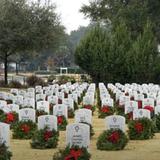
Beaufort National Cemetery
Beaufort National Cemetery is a United States National Cemetery located in Beaufort County, in the city of Beaufort, South Carolina. Managed by the United States Department of Veterans Affairs, it encompasses, and as of 2014, had over 19,000 interments.HistoryThe original interments in the cemetery were men who died in nearby Union hospitals during the occupation of the area early in the Civil War, mainly in 1861, following the Battle of Port Royal. Battlefield casualties from around the area were also reinterred in the cemetery, including over 100 Confederate soldiers. It became a National Cemetery with the National Cemetery Act by Abraham Lincoln in 1863. The remains of 27 Union prisoners of war were reinterred from Blackshear Prison following the war. Beaufort National Cemetery now has interments from every major American conflict, including the Spanish–American War, the Korean War, the Vietnam War, and the Gulf War.