Things To Do
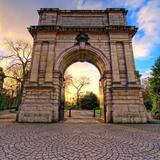
Saint Stephen's Green & Grafton Street
Stroll through Dublin’s public parks and gardens at Saint Stephen’s Green. Continue your walk to Grafton Street to enjoy pedestrian friendly walking paths, historic landmarks, shopping, cafes, pubs, and street performers.
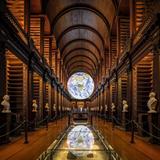
The Book of Kells Experience
Family friendly activity exploring Trinity College and its Book of Kells
Guinness Storehouse
It might be one of Ireland’s biggest tourist attractions but for good reason. Learn about the history of Ireland’s famous Guinness, and view Dublin from the skies in the 365 panoramic bar. We recommend purchasing tickets online.
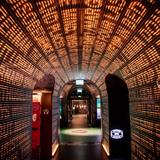
EPIC The Irish Emigration Museum
Consistently voted Europe’s leading tourist attraction. Tells the story of Ireland through emigration — especially meaningful for Irish-American guests.
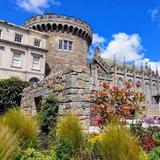
Dublin Castle
13th-century fortress turned government building for the Republic of Ireland. Courtyards and gardens are free to enter. Guided tours of the State Apartments, medieval undercroft, and Chapel Royal: €12 adult, ~1 hour, daily.
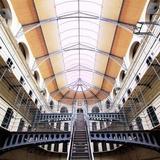
Kilmainham Gaol
For over 100 years Kilmainham Gaol held thousands of men, women and children for crimes that ranged from minor offences to being involved in some of the most momentous events in Irish history. From the 1798 rebellion, to the 1916 Easter Rising, the Anglo-Irish War (1919-21), to the devastation of the Irish Civil War (1922-23) all these important events have a chapter in the story of Kilmainham Gaol. Access to the Gaol is by guided tour only, and purchase tickets in advance via the website.
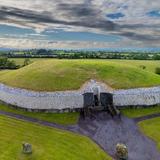
Newgrange
Newgrange is a Stone Age (Neolithic) monument in the Boyne Valley, Ireland’s Ancient East, and one of the most important prehistoric sites in Ireland. Constructed around 5,200 years ago (3,200 B.C.), it predates both Stonehenge and the Great Pyramids of Giza. Newgrange is best known for the illumination of its passage and chamber by the winter solstice sun.
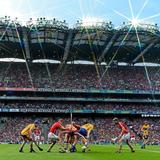
Croke Park
Croke Park is an Irish games stadium in Dublin, Ireland. Tour the stadium and hear more about Ireland’s sports, hurling and Gaelic football.
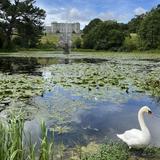
Powerscourt Estate
30 minute drive from Dublin city takes you to County Wicklow’s famous 47 acres of gardens at Powerscourt. Ranked top 3 gardens in the world. Cafe, restaurant, and gift shop included.
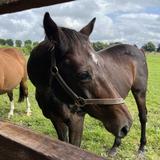
Irish National Stud & Gardens
A full Irish racehorse experience is just 25 minutes outside Dublin! Fun for all ages!
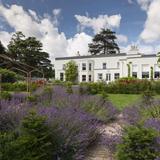
Airfield Estate
A working urban farm and gardens 10 minutes away with a farm-to-table restaurant. Family-friendly, especially with kids. View the website for hours and booking reservations.
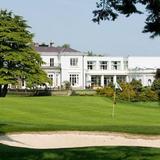
Elm Park Golf & Sports Club
For golfers of all levels, the Elm Park Golf & Sports Club is a 5 minute drive from the Saint Helen’s hotel. Book tee times via the website
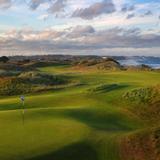
Portmarnock Golf Club
For golf lovers, visit the Portmarnock Golf Club. Top 100 golf courses in Ireland linked below.

Bear Market Coffee Roasters
Local, sustainable coffee shop 10 minutes from the Saint Helen’s. Stay tuned for more on this spot closer to wedding day!!
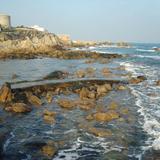
Sandycove Town & Beach
A charming coastal village just 15 minutes from St. Helen’s, home to the famous Forty Foot swimming spot where Dubliners have braved the Irish Sea for 250+ years (immortalized in the opening of Joyce’s Ulysses). Pair a visit with the James Joyce Tower & Museum next door, lunch at Caviston’s in nearby Glasthule, or a coastal walk over to Dún Laoghaire pier — a perfect half-day of quintessential Dublin coast.
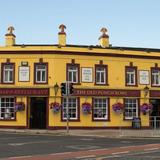
The Old Punch Bowl
Traditional Irish pub established 1779 and close to the Saint Helen’s hotel. Gastropub style food and live Irish music
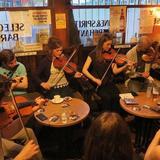
The Cobblestone
Irish pub with endless traditional irish music and dancing
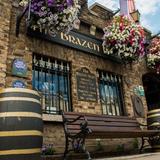
The Brazen Head
Dublin’s oldest pub (1198), nightly trad music.
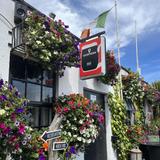
Johnnie Fox's Pub
The highest pub in Ireland established 1798. Great spot to try your first Guinness.
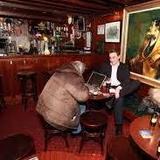
The Dawson Lounge
Dublin’s smallest pub! A fun (yet small) spot for a quick pint! Near Saint Stephen’s Green and Grafton Street
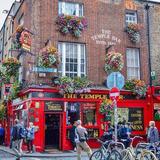
The Temple Bar Pub and Nightlife District
Dublin’s most famous nightlife district, between Dame Street and the River Liffey. Cobblestone streets packed with traditional pubs, live music nightly, and street performers. Touristy and pricey (pints €8–10) but worth one evening for the atmosphere. Best from 6pm onward.
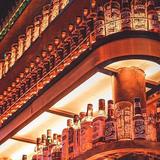
The Camden
Fun spot if you’re itching for an Irish sports bar. Beer garden, large TVs, cocktails/beers, no food. Not kid friendly.