
Cultural Knowledge

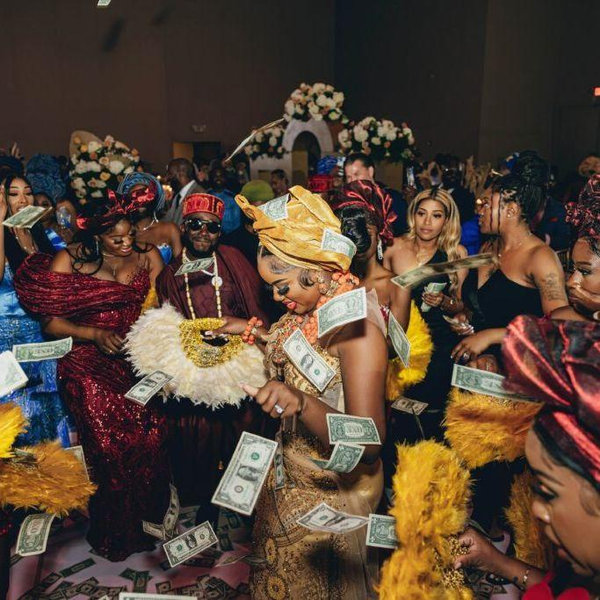
Spraying Money
"Showering the Couple"
Get ready for some fun! “Spraying” is a popular Yoruba tradition where guests shower the bride and groom with money on the dance floor as a way to show love, celebrate their union, and wish them prosperity. It’s a joyful, energetic moment that symbolizes abundance and communal support. Don't worry—there will be people helping to gather and organize the money, so you can focus on dancing!
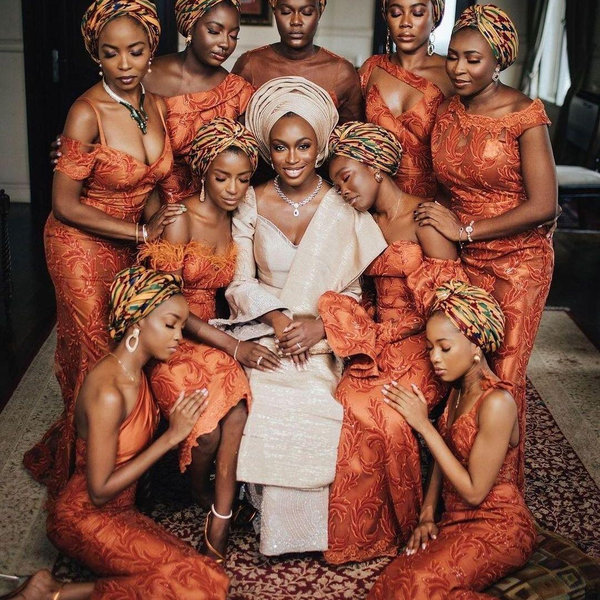
Aso Ebi
"Family Cloth"
Aso Ebi means “family cloth” in Yoruba. It’s a tradition where close friends and family wear matching or coordinated outfits in a specific fabric to show solidarity, love, and support for the couple. You may see different colors or styles based on each family’s group. It’s a beautiful expression of unity and community. Expect vibrant colors, intricate headwraps (gele), and richly adorned fabrics. Guests often dress to impress! Don’t be surprised to see lots of sparkle, gold accents, and fabulous traditional fashion.
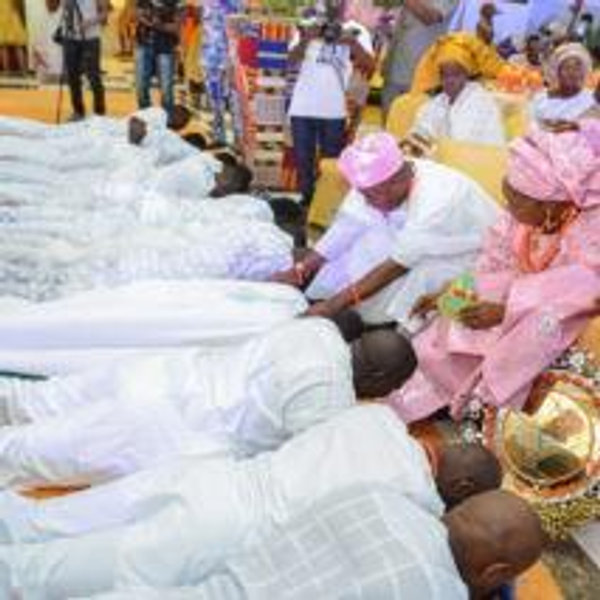
Traditional Wedding
Also called the "Engagement" or "Introduction"
In addition to the white wedding, Yoruba couples often celebrate with a traditional wedding ceremony. Here are a few elements you might see or hear about: Prostration (Ìdobálè): The groom and his friends often prostrate (lie flat) before the bride’s family to show respect and formally ask for her hand in marriage. It’s a sign of humility and honor. Letter Reading: The groom's family presents a proposal letter, and the bride’s family responds with their acceptance. This part is often playful and symbolic. Presentation of Gifts: Items like kola nuts (representing hospitality and unity), palm wine (representing blessings and joy), honey (representing sweetness in the couples' marriage), and fabric are presented—each with cultural and spiritual significance. Bride’s Entrance: The bride comes out in traditional attire, often with a veil, and is joyfully introduced to the groom's family.