
Things To Do
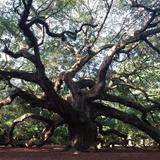
Angel Oak Tree
The Southern Live Oak tree is a historical site and focal point of one of the City of Charleston's public parks. It is considered to be the largest Live Oak Tree east of the Mississippi estimating to be 300 to 400 years old.

Patriots Point Naval & Maritime Museum
Established in the 1970s to develop a naval & maritime museum on Charleston Harbor with the World War II aircraft carrier, USS YORKTOWN as its centerpiece. It’s also home to the Patriots Point Museum and a fleet of National Historic Landmark ships, the Cold War Memorial and the only Vietnam Experience Exhibit in the U.S., the Congressional Medal of Honor Society, and the agency's official Medal of Honor Museum. Patriots Point Naval & Maritime Museum serves as a national destination of excellence for the preservation and education of current and future generations about America's history, traditions and values.
Bulldog Tours
Offers a diverse mix of history, culinary, and ghost walking tours and exclusive access to Charleston’s most fascinating places.
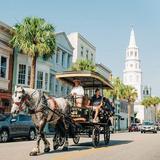
Old South Carriage Company
Follow the history of the South Carolina port city of Charleston, which dates back more than 300 years, on a horse-drawn carriage tour. Save time by seeing the main highlights of the city’s past, including those from the Civil War era, from a comfortable perch as you travel across 30 blocks of the historic district.
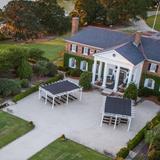
Boone Hall Plantation & Gardens
Boone Hall Plantation was founded in 1681 when Englishman Major John Boone came to Charleston and established a lucrative plantation and gracious home on the banks of Wampacheone Creek. The family and descendants of Major Boone were influential in the history of South Carolina, the colonies and the nation. In 1743, the son of Major John Boone planted live oak trees, arranging them in two evenly spaced rows. This spectacular approach to his home symbolizes southern heritage and will take root in your memory for many years to come.
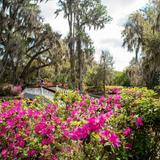
Magnolia Plantation and Gardens
Magnolia Plantation & Gardens, on the banks of the Ashley River near Charleston, SC, is the Lowcountry’s oldest public attraction. It is a phenomenal horticultural destination, a significant historic and cultural site, and a place of unparalleled natural beauty.

South Carolina Aquarium
Wildlife surrounds you at the South Carolina Aquarium. With thousands of animals, dozens of exhibits and stunning waterfront views, you can connect with the natural world your way.
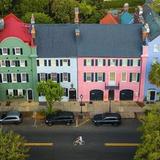
Rainbow Row
Rainbow Row was originally built in the late 1700s as a series of 13 townhouses. Over time, the homes were used for various purposes, including commercial and residential spaces. However, by the early 1900s, many of the homes had fallen into disrepair and were in danger of being demolished.