Things To Do
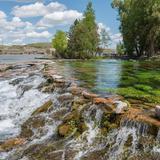
Giant Springs State Park
Giant Springs State Park is home to one of the largest freshwater springs in the United States. It was first recorded by the Lewis and Clark Expedition in June 1805, where William Clark described it as "the largest fountain or Spring I ever Saw". Crystal-clear water flows from underground lava rock at a steady rate year-round. The park also features walking paths, wildlife viewing, and the Roe River, one of the shortest rivers in the world. The groundwater bubbling to the surface is carbon-dated to be about 3,000 years old! This is right next to Lewis and Clark Interpretive Center- so make both trips!
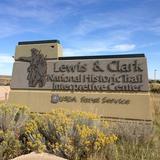
The Lewis and Clark Interpretive Center
The Lewis and Clark Interpretive Center explores the journey of the Corps of Discovery as they traveled through Montana. Interactive exhibits, displays, and videos explain the challenges and discoveries of the expedition. The center overlooks the Missouri River and provides historical context for Great Falls’ role in westward exploration. Great for kids! This is right next to Giant Spring State Park- so make both trips!

Overlook Park
Flag Hill, also known as Overlook Park, is one of the most recognizable landmarks in Great Falls. The site overlooks the Missouri River valley and features a giant American flag that can be seen from many parts of the city.
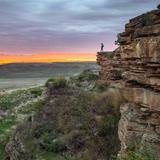
First Peoples Buffalo Jump State Park
First Peoples Buffalo Jump State Park preserves an important Native American hunting site used for over 1,000 years. Tribes drove bison over the cliffs as part of a carefully planned and respectful hunting tradition. The park includes trails, exhibits, and a visitor center that share the history and culture of Montana’s Indigenous peoples.
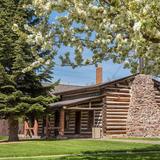
C. M. Russell Museum
The C. M. Russell Museum celebrates the life and art of Charles M. Russell, a famous artist known for depicting the American West. The museum features paintings, sculptures, and historical exhibits that showcase cowboy life, Native American culture, and Montana history. It also includes Russell’s original home and studio.
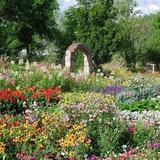
Gibson Park
Gibson Park is a popular city park located along the Missouri River in downtown Great Falls. It features a beautiful garden, a duck pond to feed ducks, playgrounds, open green space, picnic areas, and scenic walking paths.
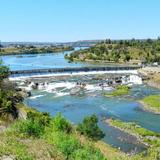
Black Eagle Falls Dam View
The Black Eagle Falls Dam View offers a scenic overlook of Black Eagle Falls and the hydroelectric dam on the Missouri River. The falls were seen by Meriwether Lewis in June 1805 during the Lewis and Clark Expedition. He described a black eagle nesting on an island near the falls, which later inspired the name "Black Eagle Falls." This location highlights the natural power of the river and its importance to Great Falls’ history and energy production.
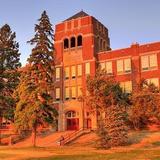
Great Falls High School
A historic public high school in Great Falls, Montana. Established in 1890, it is the city's oldest high school and is celebrated for its architectural beauty, having been named the "most beautiful public high school" in Montana by Architectural Digest. Fun fact: Taylor's family has graduated in the following years: 1930, 1935, 1937, 1939, 1941, 1945, 1950, 1962, 1964, 1965, 1966, 1980, 1984, 1985, 2014, 2022.
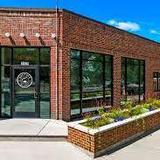
Buffalo Blanc
Buffalo Blanc is an independent, locally owned cafe and coffee bar in Great Falls, Montana, located at 1925 2nd Ave S, opposite Great Falls High School. Opened in February 2024, it is a popular, charming spot serving specialty coffee, unique homemade syrups, and a food menu, featuring both indoor and outdoor seating.
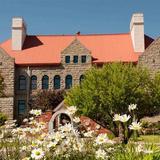
Paris Gibson Square Museum of Art
Paris Gibson Square Museum of Art is a contemporary art museum located in a historic building in Great Falls. It features rotating exhibits by regional, national, and international artists, along with art classes and community programs. The museum supports creativity and highlights the role of art in the local community.
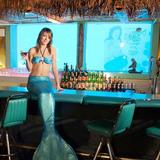
Sip 'n Dip Lounge (1962)
A Great Falls icon inside the O’Haire Motor Inn, Sip ’n Dip is a quirky tiki bar known for mermaids swimming behind the bar, tropical drinks, and unforgettable vibes. It’s even been named the “#1 bar worth flying for” by GQ magazine.
Buffalo Noir Wine & Beer Bar
Buffalo Noir is a wine and beer bar located in the West Bank Plaza of Great Falls, Montana. Known as the city’s first "vinyl bar," it combines curated drinks, music, and a relaxed lounge atmosphere.
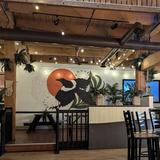
Magpie
A local bar & restaurant known for creative cocktails, tasty food and a welcoming atmosphere.
Xochitl Cocina & Tequila
A downtown Great Falls restaurant and gathering space known for its modern atmosphere, handcrafted cocktails, and elevated Mexican-inspired cuisine.

Little Light Coffee and Mini Donuts
A cozy local coffee shop known for its handcrafted espresso drinks and friendly atmosphere. Also specializing in mini gourmet donuts.

Pizza Ranch
A casual restaurant chain offering pizza, fried chicken, salad bar options, and classic comfort food in a family-friendly environment. Also has a game room for kids!
Flippin' Family Fun
Indoor park with a climbing wall and trampoline basketball, plus miniature golf.