Battesimo di Zoe (Zoe’s Baptism)

Cose da Fare/Things To Do

L'Antica Pizzeria da Michele
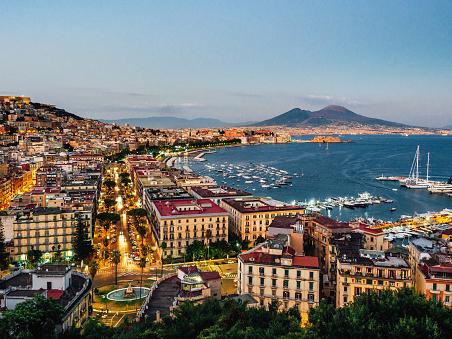
Best pizza in the world. Get there early- there’s always a line, but it’s worth it!

Fantasia Gelati
Top 3 ice cream in Naples!

Vienm a Truva
Some of the best food I’ve ever had. Located in Vomero. Get the scarpariello pasta!

Toffee Coffee Shop
Excellent coffee shop and cocktail bar in the heart of Vomero!

Cimitero Delle Fontanelle
The Fontanelle cemetery in Naples is a charnel house, an ossuary, located in a cave in the tuff hillside in the Materdei section of the city. It is associated with a chapter in the folklore of the city.
Archaeological Park of Pompeii
The Archaeological Park of Pompeii, near Naples in southern Italy, features the ruins of an ancient Roman port town destroyed in 79 AD by the eruption of Mount Vesuvius. The mission of the park, run by the Italian Ministry of Cultural Heritage, is to preserve and promote public use of this UNESCO World Heritage Site.

Museo Cappella Sansevero
The Sansevero Chapel Museum in the historic heart of Naples is a jewel of the world’s artistic heritage. Here, baroque creativity, dynastic pride, beauty and mystery blend to create a unique and almost timeless atmosphere. With its masterpieces such as the famous Veiled Christ, renowned world over for the remarkable tissue-like quality of the marble, feats of virtuosity such as Disillusion, and enigmatic creations such as the Anatomical Machines, the Sansevero Chapel is one of the most impressive monuments that the human mind has ever conceived.
Mount Vesuvius
Mount Vesuvius is a somma-stratovolcano located on the Gulf of Naples in Campania, Italy, about 9 km east of Naples and a short distance from the shore. It is one of several volcanoes which form the Campanian volcanic arc.
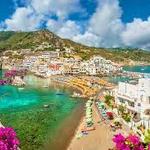
Ischia
Ischia is a volcanic island in the Gulf of Naples, Italy. It's known for its mineral-rich thermal waters. Hot springs bubble up at Maronti Beach, in the south. East, Roman remains lie beneath the sea floor at Cartaromana Beach. The beach has views of medieval Aragonese Castle.
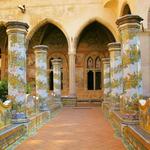
Complesso Monumentale di Santa Chiara
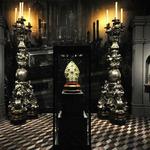
Museo del Tesoro di San Gennaro - Museum of the Treasure of San Gennaro
Invention, popular devotion, religiousness, showmanship: the exhibition of the museum of St.Januarius includes a route of masterpieces along seven centuries that actually it is possible to visit thanks to meritorious work of Deputation.

Pio Monte della Misericordia
The Pio Monte della Misericordia is a church in the historic center of Naples, southern Italy. It is famous for its art works, including Caravaggio's The Seven Works of Mercy. A charity brotherhood (Pio Monte della Misericordia meaning "Pious Mount of Mercy" in Italian) was founded in August 1601 by seven young nobles, who met every Friday at the Hospital for Incurables and ministered to the sick
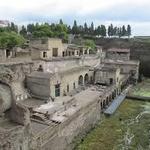
Archaeological Park of Herculaneum
Archaeological area protecting the ruins of Herculaneum, an ancient city destroyed by Vesuvius.

La Figlia del Presidente
Excellent pizza in downtown Naples- made famous by president Clinton!
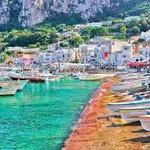
Capri
Capri, an island in Italy’s Bay of Naples, is famed for its rugged landscape, upscale hotels and shopping, from designer fashions to limoncello and handmade leather sandals.
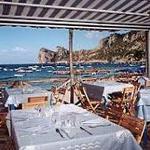
Maria Grazia
The restaurant Maria Grazia in Nerano, inventor of the famous spaghetti alla Nerano, was founded in 1901, taking its name from the founder, mother of the famous Donna Rosa and grandmother of Lello and Andrea, who are still tireless and omnipresent in the kitchen. In reality, the history of the restaurant Maria Grazia’s roots go back as far as the Middle Ages, to the time of the Maritime Republics, when the beach at Marina del Cantone, in Nerano, was a landing place for sailors and a prey for pirates, attracted by the wealth of the area. At that time, Nerano was a little village inhabited mainly by fishermen, who indulged in snacks under the chapel overlooking the beach, just where now there is the restaurant.
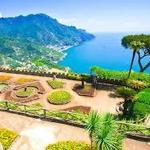
Ravello
Ravello, a resort town set 365 meters above the Tyrrhenian Sea by Italy’s Amalfi Coast, is home to iconic cliffside gardens. The 13th-century, Moorish-style Villa Rufolo offers far-reaching views from its terraced gardens, and hosts indoor and outdoor concerts during the popular summertime Ravello Festival. Villa Cimbrone, a medieval-style estate perched on a steep outcrop, is surrounded by another celebrated garden.
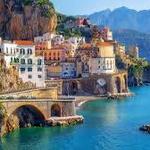
Amalfi
The Amalfi Coast is a 50-kilometer stretch of coastline along the southern edge of Italy’s Sorrentine Peninsula, in the Campania region. It’s a popular holiday destination, with sheer cliffs and a rugged shoreline dotted with small beaches and pastel-colored fishing villages.
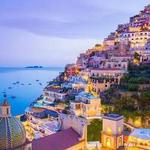
Sorrento
Sorrento is a coastal town in southwestern Italy, facing the Bay of Naples on the Sorrentine Peninsula. Perched atop cliffs that separate the town from its busy marinas, it’s known for sweeping water views and Piazza Tasso, a cafe-lined square.

Certosa e Museo di San Martino
Monastery housing baroque church with ceiling frescoes & a marble altar, plus museum art collection.

Gelateria Mennella
Top 3 gelato in Naples!

Via dei Mille
Best shipping in Naples

Naples National Archaeological Museum
The National Archaeological Museum of Naples (Italian: Museo Archeologico Nazionale di Napoli, sometimes abbreviated to MANN) is an important Italian archaeological museum, particularly for ancient Roman remains. Its collection includes works from Greek, Roman and Renaissance times, and especially Roman artifacts from the nearby Pompeii, Stabiae and Herculaneum sites. From 1816 to 1861 it was known as Real Museo Borbonico ("the Royal Bourbon Museum").

Donnaregina Contemporary Art Museum - Madre Museum
The Museo d'Arte Contemporanea Donnaregina, often known as Museo Madre, or Donnaregina Contemporary Art Museum, is a museum of contemporary art in Naples, in Campania in southern Italy. It is housed in the Palazzo Donnaregina, which was adapted for it by the Portuguese architect Álvaro Siza Vieira.
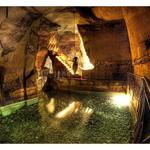
Napoli Sotterranea Percorso Ufficiale
Forty meters below the characteristic and lively streets of the Historic Center of Naples, you find a different world, unexplored, isolated by time, but deeply connected with the world above. It’s the heart of Naples, and the place from which the city was born. To visit it is to travel to the past, a world 2400 years old.Every historic epic, from the foundation of Neopolis, to the bombs of WWII, has left it’s mark on the walls of the yellow tufa stone, the soul of Naples, and the stone with which the city was built.
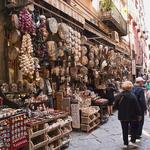
Via San Gregorio Armeno
A picturesque alley in the heart of Naples, Via San Gregorio Armeno is known across Italy for its artisan shops selling handcrafted pastori, or nativity-scene figurines.

Casa Infante
Top 3 gelato in Naples!
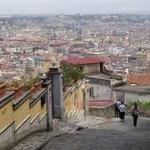
Via Pedamentina San Martino
Scenic staircase route taking you from Vomero to the city center. Absolutely beautiful but warning- it’s a lot of stairs!