Wedding Rituals
Haldi (Turmeric Ceremony)
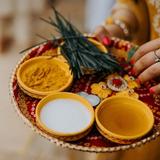
Before the wedding, family and friends apply a paste made from turmeric to the bride and groom. Traditionally, turmeric is believed to bring good fortune, protection, and a natural glow before marriage. In practice, it is also one of the most joyful and playful events of the wedding — full of laughter, music, and a very high chance of someone getting more turmeric on them than expected.
Mehndi & Sangeet (Music and Dance)
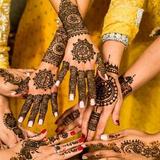
Mehndi is the art of applying intricate henna designs to the hands and feet. For centuries, mehndi has been associated with beauty, celebration, and good luck. We are doing Sangeet with Mehndi, which is an evening of music, dancing, performances, and general celebration before the wedding. Today, it is also where people discover which friends/relatives have been secretly rehearsing for weeks. We will be having dance, music (probably drinks) alongside Mehndi. We welcome you to dance-off and have your own designs applied to show off on the wedding night!
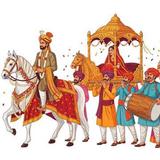
The Baraat (The Groom’s Procession)
The Baraat is the groom’s grand arrival at the wedding ceremony. Traditionally accompanied by music and dancing, it symbolises the groom’s journey to marry his bride. Today, it is one of the most energetic parts of an Indian wedding, and all guests are encouraged to DANCE. No dance experience is required.
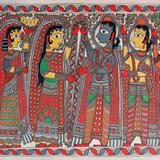
Jai Mala (Exchange of Garlands)
One of the first moments of the wedding ceremony is the exchange of floral garlands between the bride and groom. This ritual symbolises mutual respect, acceptance, and the welcoming of one another into their lives.
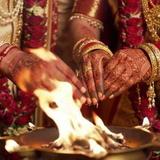
Saat Phere (7 Steps of Hindu marriage)
At the centre of a Hindu wedding ceremony is a sacred fire, known as Agni. The fire acts as a divine witness to the marriage and represents purity, light, and commitment. One of the most important parts of the ceremony is the Saptapadi, where the couple takes seven steps together around the sacred fire. Each step represents a promise made to one another, including friendship, support, prosperity, respect, family, and lifelong companionship. These vows form the foundation of the marriage — so this is one of the moments where we will try to look especially serious and graceful.
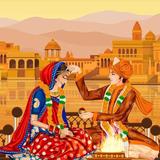
Sindoor & Mangalsutra
Towards the conclusion of the ceremony, the groom applies sindoor, a red vermilion powder, and ties a mangalsutra, a sacred necklace. These traditions symbolise the couple’s new status as husband and wife and are among the most meaningful moments of the ceremony.
Vidaai
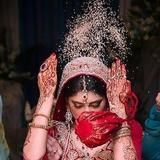
Vidaai marks the bride’s farewell from her family as she begins married life. It is traditionally an emotional moment, full of blessings, hugs, and tears — so if you see a few tears, they are very much part of the tradition.