
FAQs
Question
How can I plan for the high altitude?
Answer
The Pikes Peak Region offers stunning views, clean air, and over 300 days of blue skies, but adjusting to its high elevation is crucial. Altitude sickness can occur due to reduced oxygen, dehydration, and increased UV exposure. Here are some tips for enjoying your time here: Stay Hydrated: Drink water consistently to combat dehydration and aid in acclimatization. Start hydrating before you arrive and continue during your stay, drinking more than usual. Be Cautious with Alcohol: Alcohol affects you more at higher altitudes. Enjoy drinks in moderation, and balance with water. Opt for flights at breweries to sample without overindulging. Take it Easy: Allow your body time to adjust. Avoid strenuous activities initially; explore museums and local cuisine instead. Familiarize yourself with the area's history while acclimating. Mind Your Diet: Enjoy the diverse culinary scene, but be mindful of salt intake and focus on carbohydrates to aid in altitude adjustment. Balance treats with nourishing foods. Sun Protection: Despite cooler temperatures, the sun's intensity is higher at altitude. Pack sunscreen, hats, and sunglasses to protect yourself. Plan outdoor activities for mornings and afternoons, and seek shade at midday.
Question
What type of weather should I pack for?
Answer
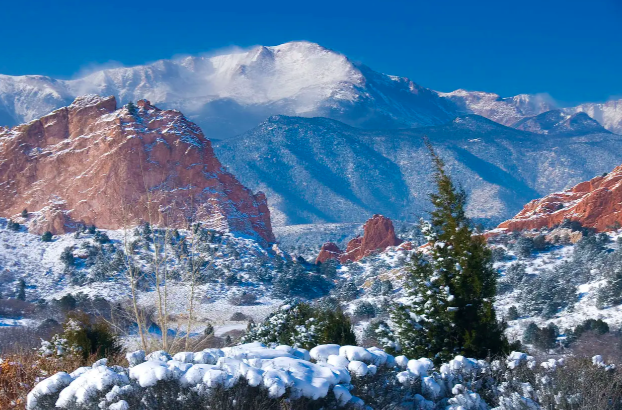
For a trip to Colorado Springs in May 2025, packing essentials include long pants, t-shirts, a jacket, and a coat, as temperatures vary. Even in summer, temperatures can drop significantly in the evenings. Locals always carry water and extra clothing in their vehicles for unpredictable weather changes. Despite Spring, snowstorms are possible, often called "tree benders" due to heavy, wet snow. Expect temperatures from the 40s to the 70s, but be prepared for sudden changes, especially as elevation increases. Don't forget damp weather gear like raincoats, boots, gloves, and hats. For higher elevations like Pikes Peak or Cripple Creek, pack extra layers. At over 6,000 feet, sunscreen is crucial year-round due to the thin air and intense sunlight.