Schedule
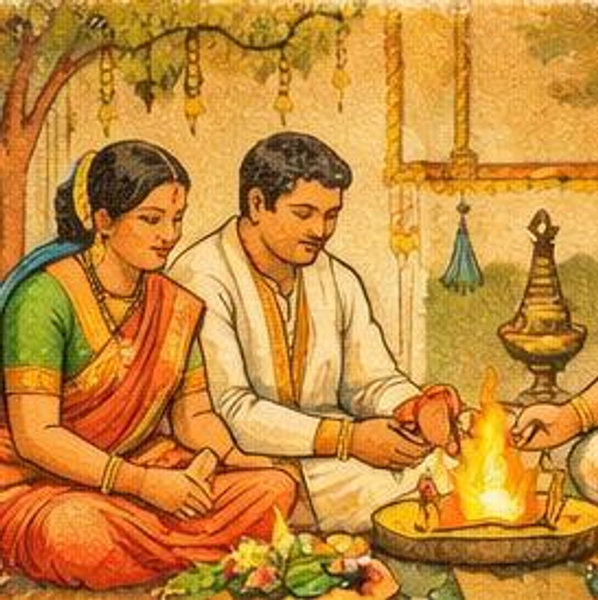
Vratham
April 5th, 9AM
Vratham prepares the bride and groom mentally and spiritually for married life. Blessings are sought from ancestors, and sprouts or grains symbolize fertility and continuity. It reflects readiness and intention before entering a new stage of life.
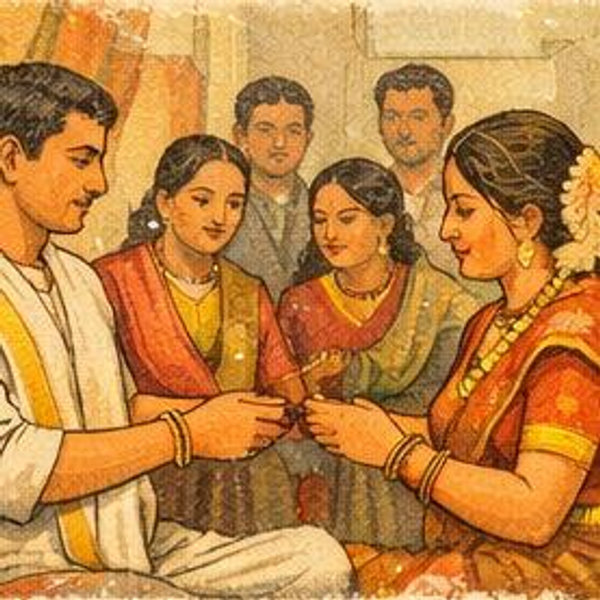
Nischayathartham
April 5th, 11:30AM
This marks the formal agreement between both families to proceed with the marriage. It represents clarity of intent, mutual consent and shared understanding. The exchange of rings reflects a visible promise of committment
|| Lunch ||
April 5th, 12PM
~~~~~~
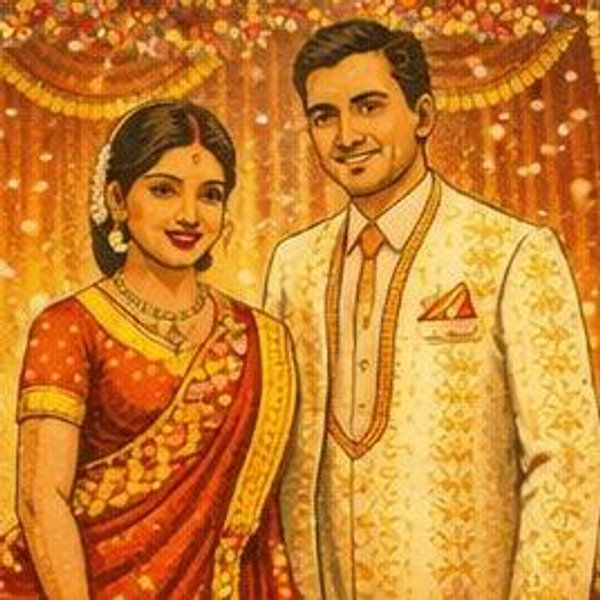
Sangeet/Reception
April 5th, 6PM
Join us for an evening of celebration, meet and greet and dance. We will also have stalls like parrot astrology, mehendi, photobooth, and more.
|| Dinner ||
April 5th, 7PM Onwards
~~~~~~
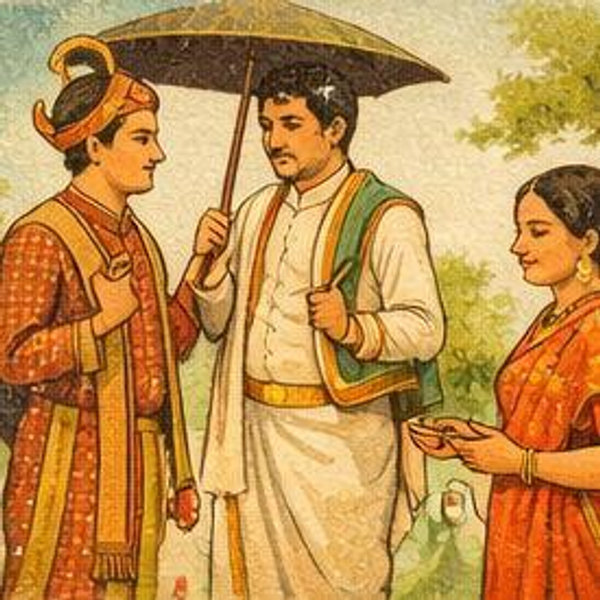
Kasi Yatra
April 6th, 7:30AM
The groom symbolically prepares to go to Kasi, representing a life guided by learning and discipline. He is reminded that household life is also a sacred path, supported by family and community. It signifies readiness to take on responsibility and partnership
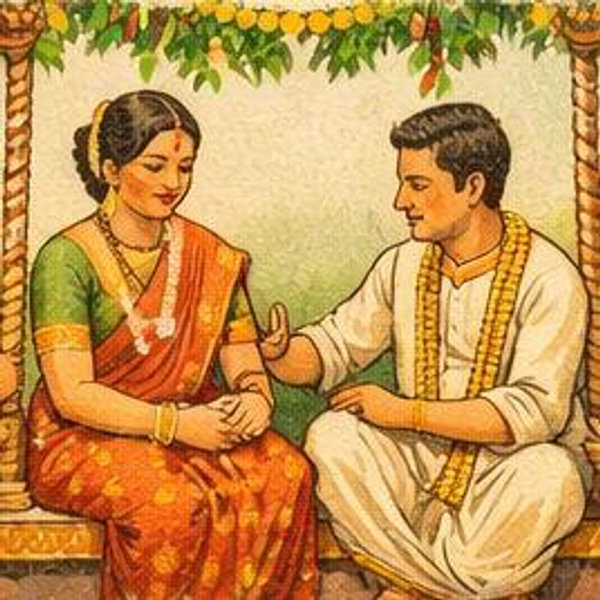
Oonjal
April 6th, 8AM
The couple sits on a swing while elders bless them and remove negative influences. The gentle motion reflects life's changes and the importance of staying balanced together. It offers a moment of calm and grounding before the wedding vows.
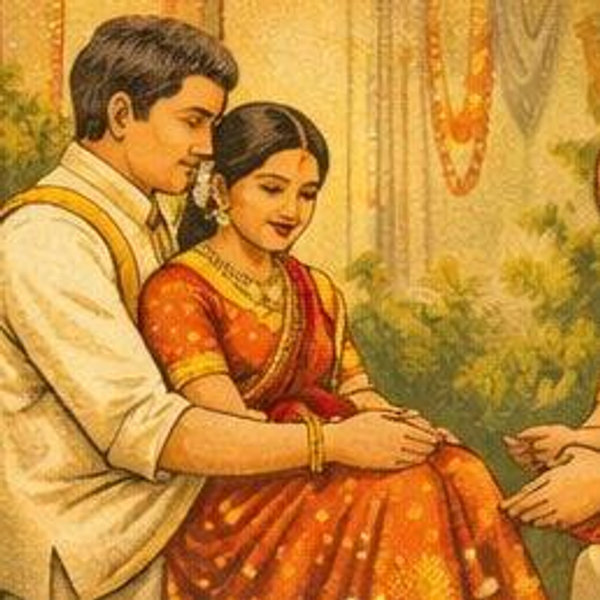
Kanniga Dhanam
9AM
The bride's hand is placed in the groom's by her parents, symbolizing the transfer of trust and responsibility. It does not mean giving away the daugher, it means entrusting her future with reverance, offering with detachment, and expecting nothing in return. The groom recieves her with the duty to continue family values and lineage together, making this one of the highest acts of Dhanam in the Vedic tradition.
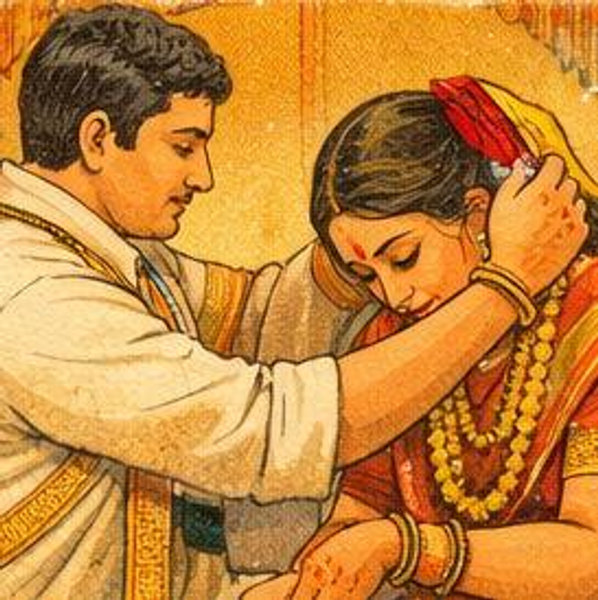
Mangalya Dharanam & Saptapadi
April 6, 10AM
The groom ties the Thaali to the bride. The vows are made in the presence of fire, the eternal witness. The couple then takes seven steps together, symbolizing building a home, shared physical, mental and spiritual strength, prosperity, mutual understanding, continuity of family, care for one another and lifelong partnership.
|| Lunch ||
12PM
~~~~~~~~
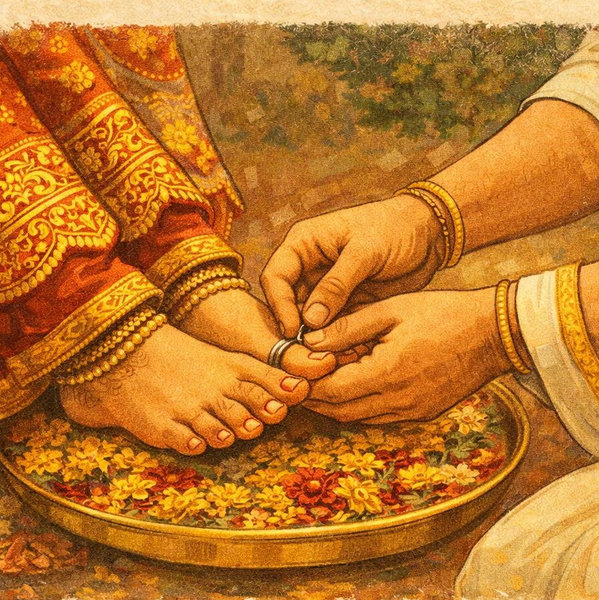
Metti
--
The practice of wearing Metti comes from early household traditions where married women marked life transitons with simple, daily-worn symbols. The second toe has long been associated in yogic and Ayurvedic understanding with balance and groudning and gentle pressure is believed to promote stability
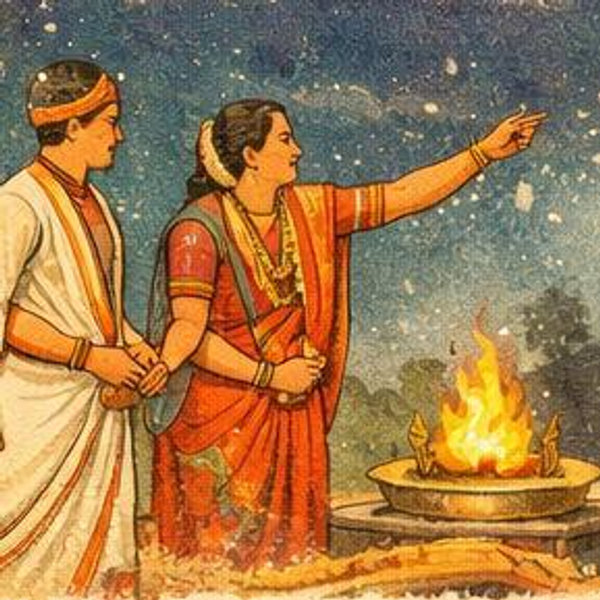
Arundhati-Vasishtha Darshanam
--
After the wedding, the couple are shown stars Arundhati and Vasishta, close enough to appear to revolve around each other in sync, symbolizing an ideal marital partnership in Hindu tradition where both partners are equal and move in harmony, not one dominating the other, as shown in the Mizar/Alcor system. These are the only two stars that are visibly physically revolving around each other, not just aligned by chance.