Things to Do
Explore Old Town Sitges
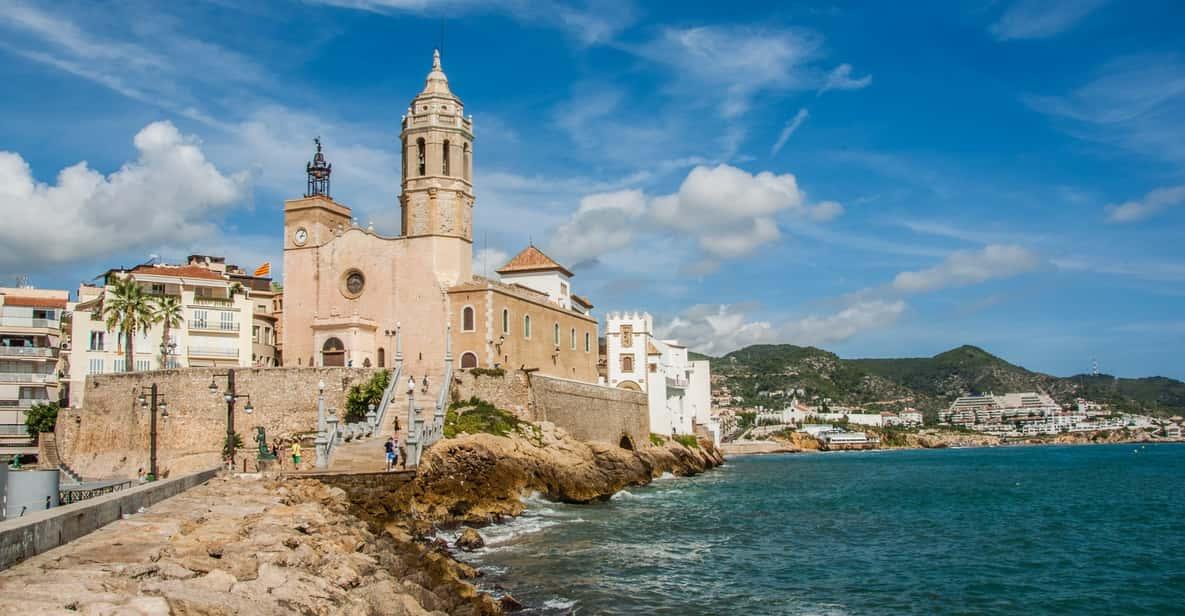
The town dates back to Roman times so there is plenty of history to draw from. A popular attraction of Sitges is the quaint old quarter with its cobbled alleyways lined with a number of old palaces and even an ancient castle. One of the most popular things to do in Sitges is to enjoy an early evening stroll to the Placa de Baluard square, known as the entrance to the old town it offers views out along the picturesque coastline. For authentic Catalonia head off to Carrer d,en Bosch street. It flanks the city walls and takes you back to medieval times. The street is home to the Palau de Rei Moro, a gothic building built on an old Arabic palace. At the end of Carrer d,en Bosch you will arrive at the Placa del Ayuntament, the Town Hall Square. The town hall itself dates back to the late 19th Century and was built close to the old castle walls.
Visit one of Sitges many Beaches
Check out one of the beach clubs or relax at any of the beautiful beaches Sitges has to offer San Sebastian Beach: Located near the historic center, this is one of Sitges’ most emblematic beaches, known for its lively atmosphere and calm waters. Playa de la Fragata: Right next to Playa de San Sebastián, this longer beach is popular with locals and tourists alike, offering diverse facilities and services. Balmins Beach: Known for its relaxed atmosphere, this beach is divided into two sections: a nudist part and a conventional part, providing options for different preferences. Aiguadolç Beach: Located near the Aiguadolç marina, this quieter beach is ideal for those seeking a more peaceful environment. Garraf Beach: A little further away from the center of Sitges, this beach is wider and less crowded, offering a quieter and more natural environment. Terramar Beach: Located around the Sitges Yacht Club, this beach is known for its fine sand and crystal-clear waters.
Museums
Cau Ferrat, once the home and workshop of Modernist movement artist Santiago Rusiñol, holds his most important works and travel collectibles in a setting notable for its original, centuries-old tilework, stone carvings, wood banister, and wrought iron windows. Every inch of the space is covered with oil paintings, religious artifacts, pre-Roman excavations, and iron sculptures that depict contrasting periods of the artist’s life. Museu Maricel, the former home of American philanthropist and avid art collector Charles Deering, houses oil paintings, ceramics, mosaics, and furniture, as well as paintings depicting Sitges through the years.
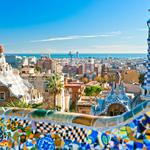
Park Güell
Travel into Barcelona to see the quirky colorful mosaics and undulating curves of Park Güell are a signature of the legendary Catalan architect Antoni Gaudi, who designed many of the features in this park. Officially opened in 1926 and initially planned as a district for the rich, it is now one of the city's most popular attractions and a great representation of Catalan modernism.
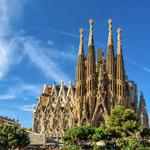
Sagrada Família
Travel to Barcelona to see The Sagrada Família. It is a one-of-a-kind temple, for its origins, foundation and purpose. Fruit of the work of genius architect Antoni Gaudí, the project was promoted by the people for the people. Five generations now have watched the Temple progress in Barcelona. Today, more than 140 years after the laying of the cornerstone, construction continues on the Basilica.