Becca & Alec
Jewish Wedding Cheat Sheet
Tisch
Grooms Pre-Wedding Celebration
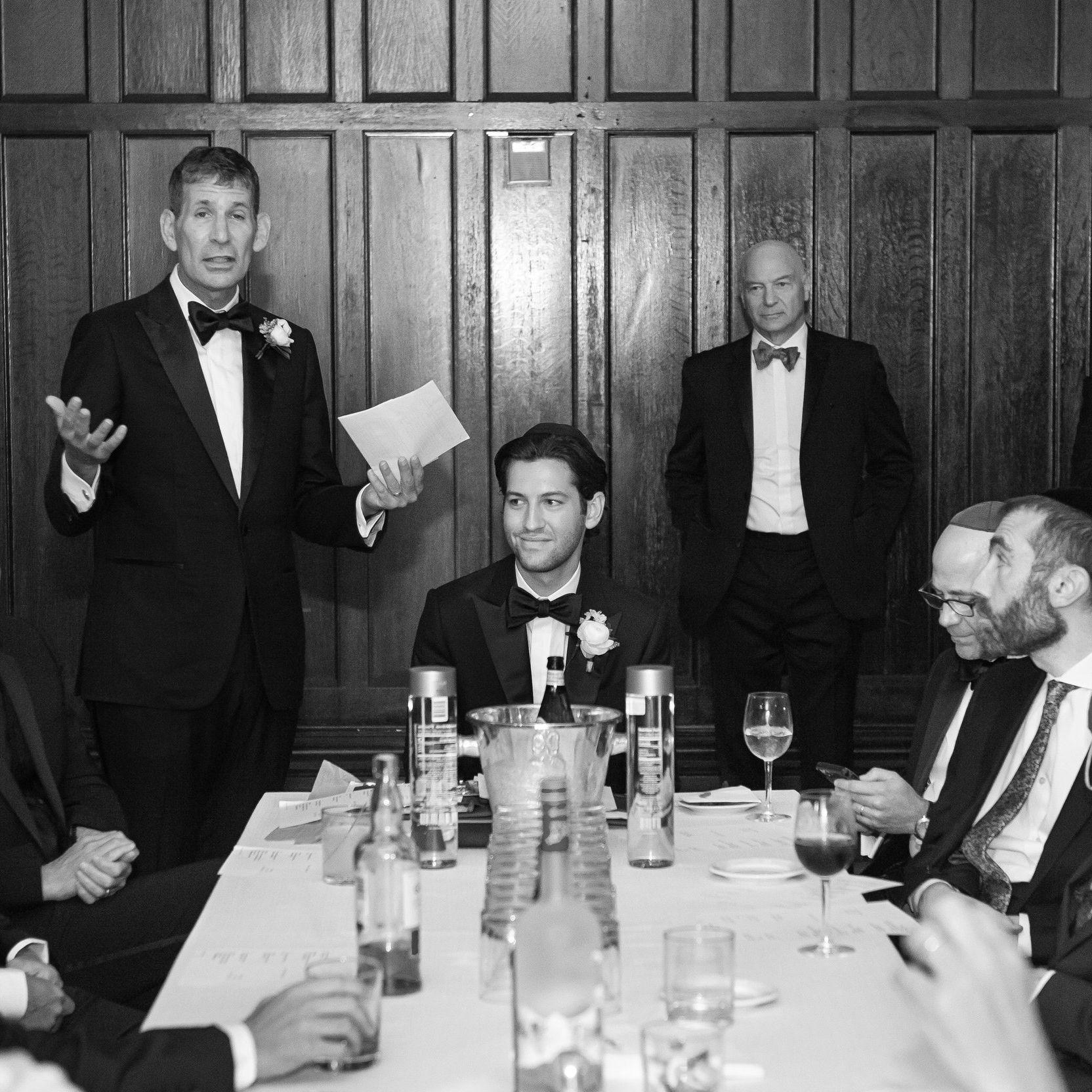
Two beloved traditions that are central to a Jewish wedding are the Tisch and the Bedecken. The Tisch (Yiddish for "table") is a lively pre-wedding celebration hosted by the groom, traditionally for his male friends, relatives, and the Rabbi; however, all are welcome to join! Guests gather around a table to enjoy light refreshments, hors d'oeuvres, and drinks, while catching up, singing, and dancing. The atmosphere is joyful and full of energy. During the Tisch, the groom often shares words of Torah and receives blessings. After the Tisch, the groom, accompanied by loved ones in a festive procession, goes to see his bride— leading into the next meaningful moment, the Bedecken, or veiling ceremony.

Bedecken
Veiling Ceremony
At the Bedecken, or veiling ceremony, the bride sits on a beautifully decorated chair, surrounded by her closest family and friends. Guests come forward to offer warm wishes, blessings, and words of encouragement. The groom and his entourage form a joyful procession to the bride. Once he reaches her, he gently places the veil over her face — a powerful moment symbolizing modesty, commitment, and the deeper connection between them.
The Ketubah Signing
Signing the Symbolic Marriage Contract
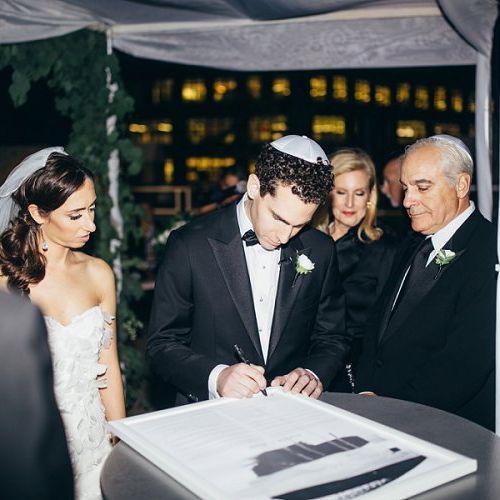
The ketubah is a marriage contract which recites the groom's promises to his wife—among other things, that he will care for her spiritually, physically, and financially. By signing the ketubah, the bride agrees to wed the groom on the condition that he fulfill his obligations, and she agrees with the identification of communal versus personal property.
The Chuppah
Wedding Canopy
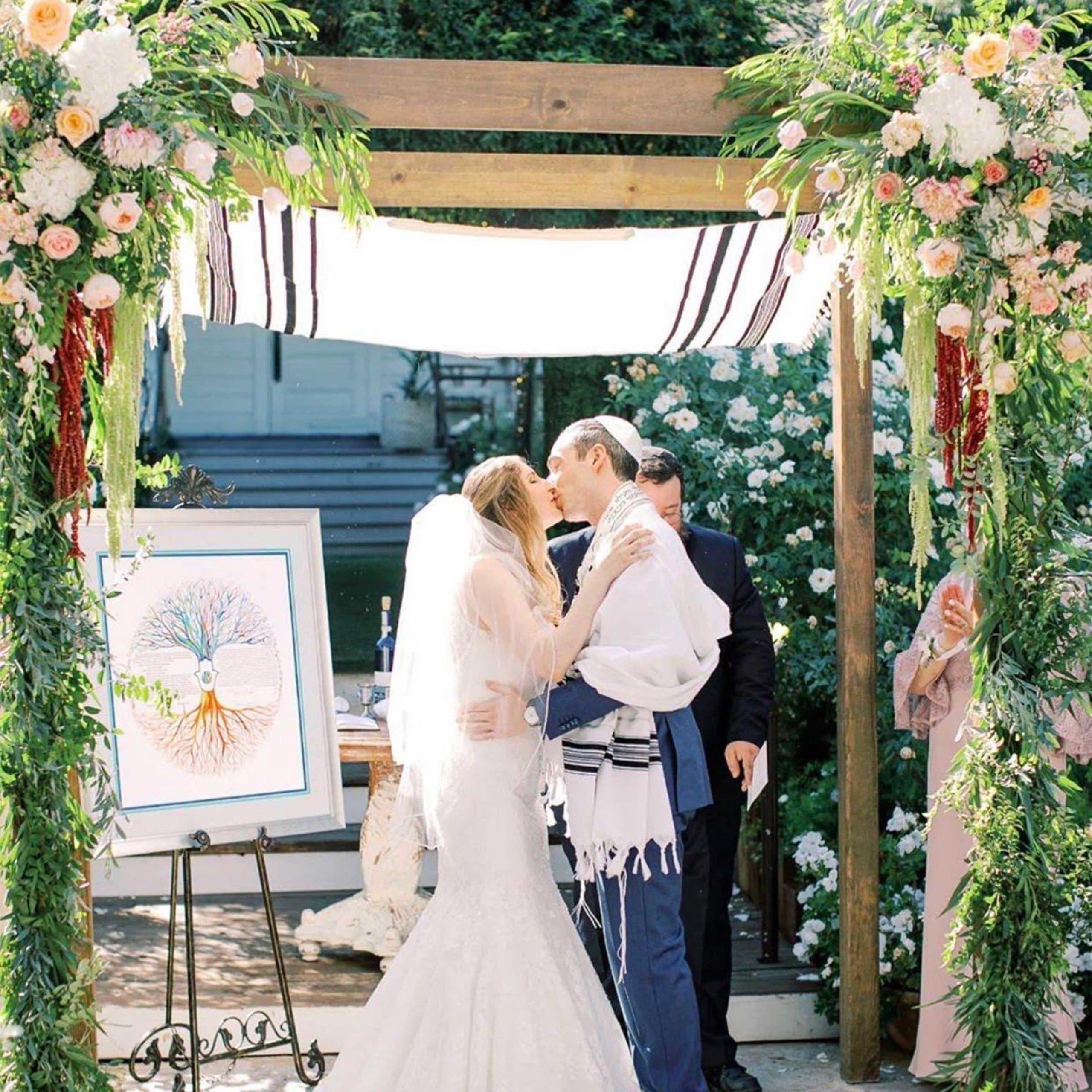
The Chuppah is a canopy beneath which the couple exchanges vows. It’s meant to symbolize a home and a life that the bride and groom will build together. The chuppah is sometimes made of a prayer shawl belonging to the bride, groom, or one of their family members. But it can really be designed any way – with flowers, greenery or other beautiful decorations. The groom is often walked down the aisle by his parents. Once he is standing under the chuppah, the bride is walked down the aisle by her parents.
Hakafot
Circling
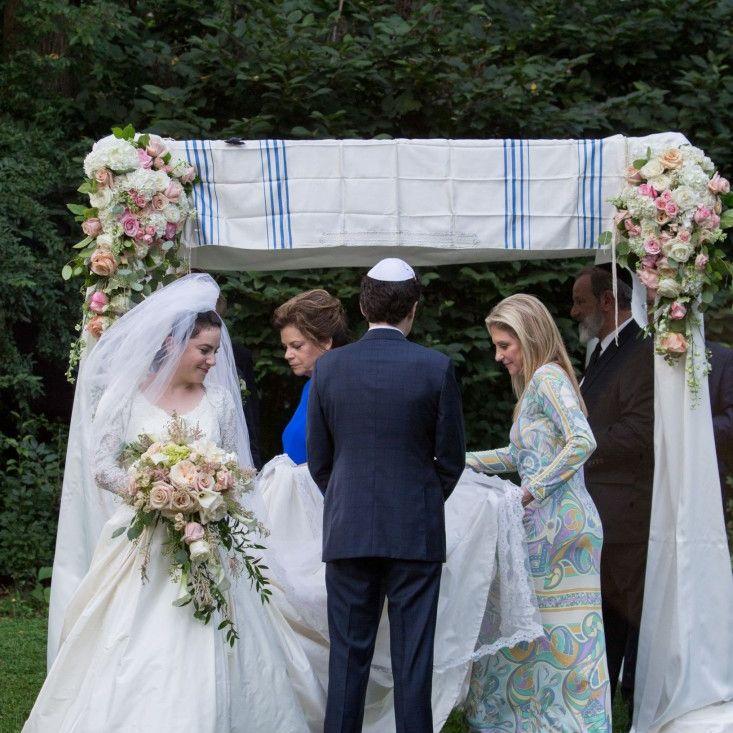
Hakafot or “circles” – after the procession, the Bride traditionally walks in a circle around the Groom seven times, symbolically building a wall of love around their relationship. Seven represents the most sacred of all numbers in Judaism and also symbolizes the wholeness and completeness that they cannot attain separately.
Sheva Brachot
The Seven Blessings
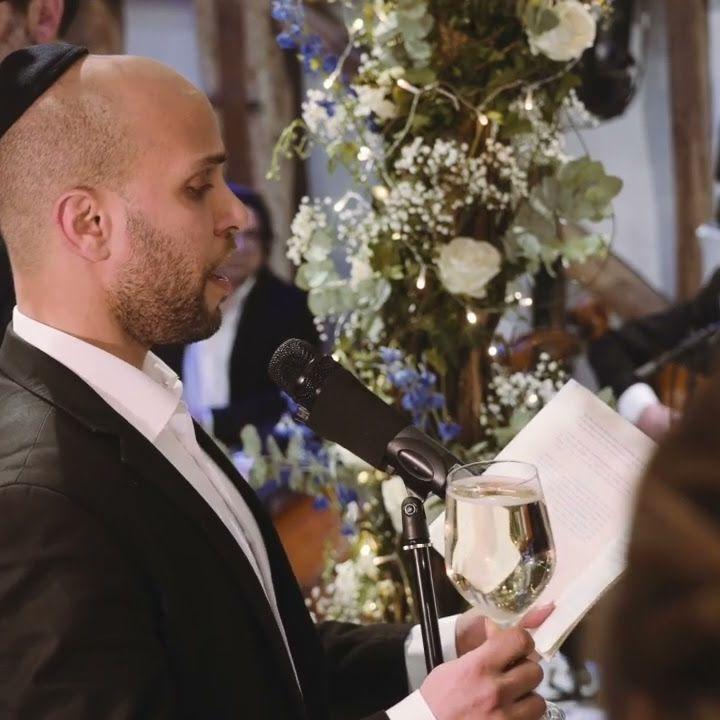
The sheva (seven) brachot (blessings) are read in both Hebrew and English, focusing on joy, celebration and the power of love. They begin with the blessing over a cup of wine, and then progress to more grand and celebratory statements, ending with a blessing of joy, peace, companionship, and the opportunity for the bride and groom to rejoice together. Alec and Becca will be honoring select family and close loved-ones to read these blessings for them.
Breaking the Glass
Mazel Tov!
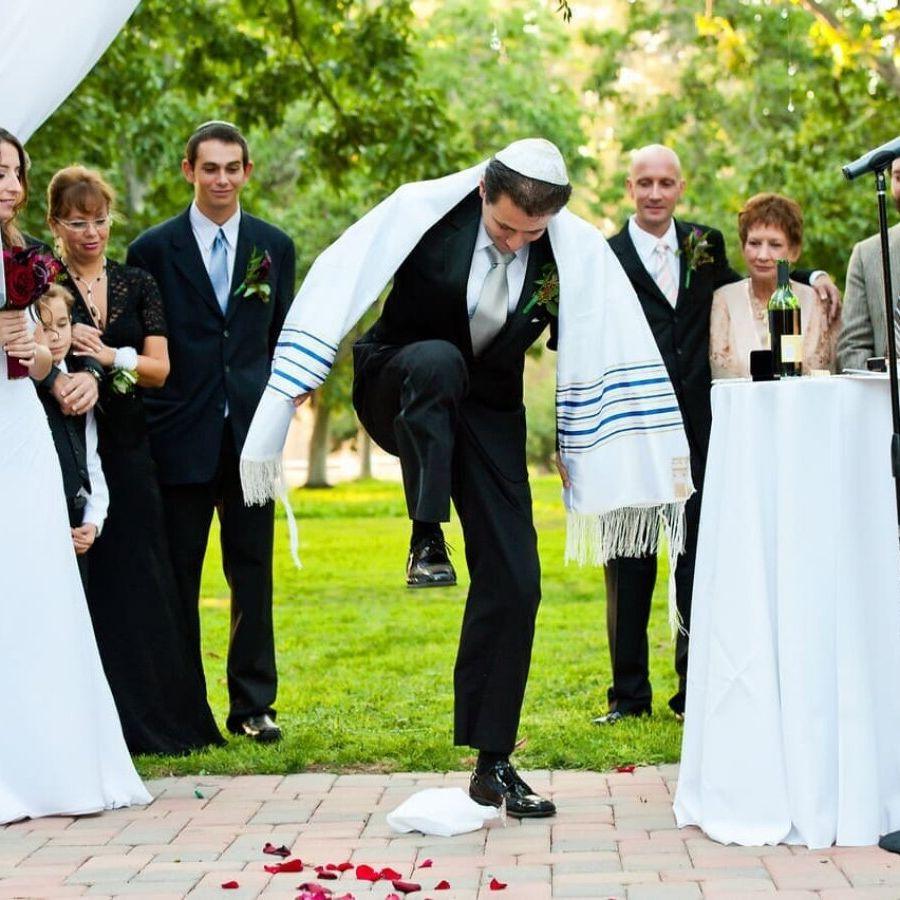
Concluding the final moments of the wedding ceremony, Alec will break a glass (usually wrapped in a cloth napkin or bag to avoid injury!) with his right foot. The couple will then kiss, the guests shout “Mazel Tov!” meaning “Congratulations!” and that's the end of the ceremony! There are many conflicting reasons why this Jewish wedding tradition takes place. Among them: a reference to the destruction of the Temple in Jerusalem; a representation of the fragility of human relationships; and a reminder that marriage changes the lives of individuals forever. Whatever it is, we're now married!
The Horah
Party Time!
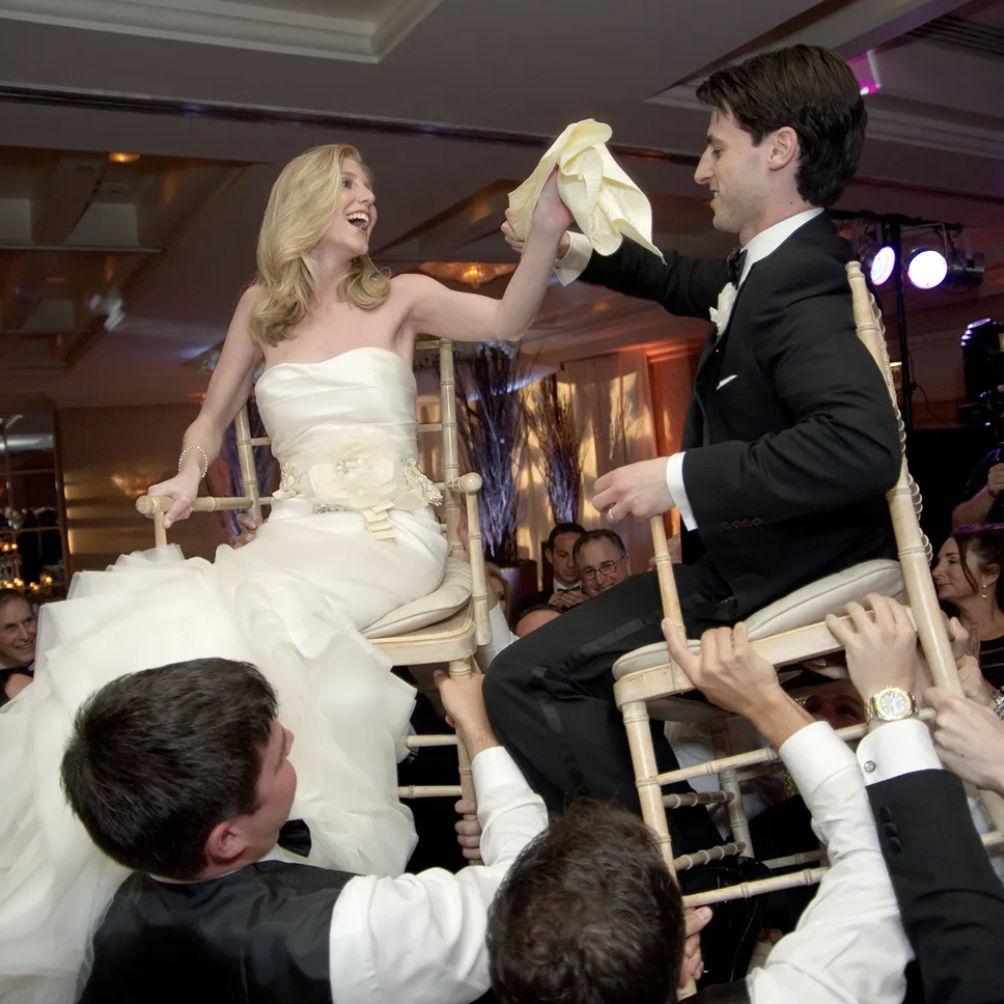
It's time to PARTY! In fact, it is a mitzvah (a Jewish commandment) for wedding guests to entertain the bride and groom. During the reception, the band will begin playing a traditional song known as "The Horah." Alec and Becca will be entertained by the guests and ultimately lifted up in the air in chairs while holding either side of a cloth napkin. We encourage you to join hands and dance in a circle around them.