FAQs
Question
How is an Orthodox wedding ceremony different from other wedding ceremonies?
Answer
Orthodox wedding ceremonies are an ancient and rich tradition and holy sacrament practiced congregationally in the church. Though there are some variations, in general the Orthodox wedding ceremony follows this outline: The Rite of Betrothal, in which rings are exchanged as a sign of commitment and devotion to one another. The “Crowning,” in which crowns or wreaths [customs vary in each parish] are placed on or held above the heads of the bride and groom. This signifies that in marriage there is a certain amount of sacrifice, especially in the area of “give and take.” It also signifies that in a certain respect the bride and groom become the “king and queen” of their own “kingdom,” or family, which is an integral part of the Kingdom of God. The sharing of a common cup of wine, which signifies that in marriage all things are shared equally. The procession around the sacramental table, during which the priest leads the couple three times as they take their first steps together as husband and wife. The removal of the crowns and the final blessing, in which all gathered wish the couple many years of blessings. There are no “vows” in the Orthodox ritual, as found in other confessions. If you are interested in a more in-depth look at the sacrament of marriage, this is a handy book with the prayers and rites https://www.greekorthodoxchurchtampa.com/church_files/Wedding.pdf
Question
I've never been to an Orthodox wedding. What should I do? Is there a proper etiquette?
Answer
Generally speaking, we follow the Golden Rule. If you wouldn't want someone behaving a certain way at your wedding or in your place of worship, don't do it during an Orthodox service. In general, keep conversation to a minimum and remain as quiet as possible during the service. (There is a small room in the main entrance to the right for mothers with children.) The seating in the temple is reserved for the elderly, women with child and the sick. If you can stand, you are expected to stand. If you see people moving to one side or making room, follow their example. If people form any lines or procession, you do not have to join. If communion is taken, it is closed to non-Orthodox. You may ask for a blessing from the priest, but partaking of the holy mystery of the Eucharist is forbidden for those not properly prepared to receive it.
Question
You mention there is a lot of standing?
Answer
Yes. We are not merely observers of the service, but participants in the holy mysteries and sacraments of the church. So, we stand, facing the priest and the couple who are to be married. We encourage you to wear comfortable shoes and clothing for the service.
Question
I'm not Orthodox. Can I still participate?
Answer
Of course! Everyone is encouraged to participate as much as they are comfortable with, but you are not required or forced to participate. If you have any questions, you can ask an usher (they will have name tags).
Question
Why do you have names in parentheses?
Answer
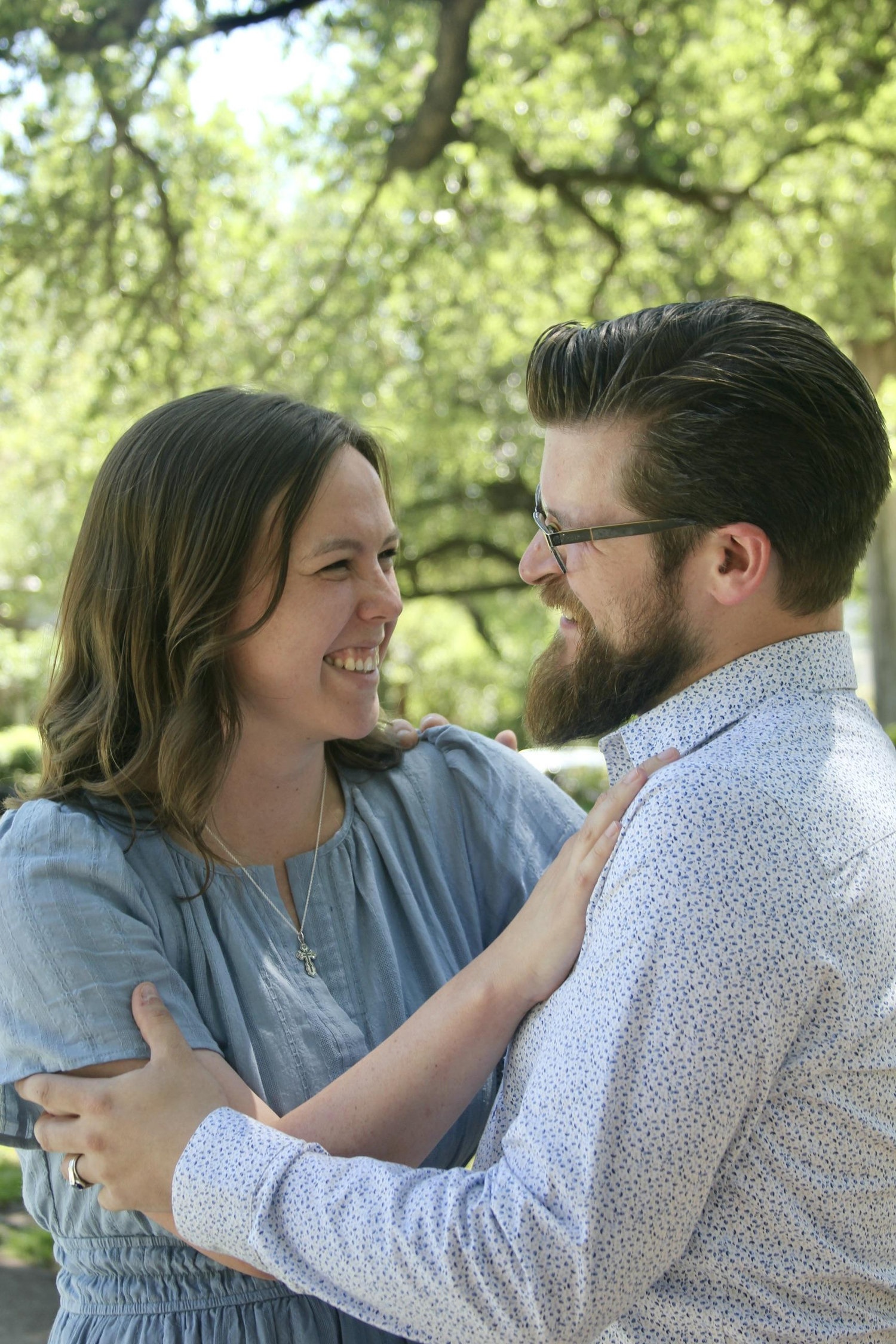
When we were received into the Church, we chose patron saints. Samantha’s patron saint is Saint Lydia of Philippi (the seller of purple in Acts 16), and Paul’s patron saint is Saint Paul the Apostle. We use these names in the Church community.