Things To Do
Amble Around Paphos Harbour
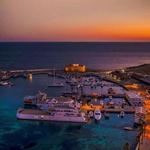
A very pleasant stroll around Paphos is following the boardwalk around its harbour. Start at the Almyra and Annabelle hotels, and curve past a series of waterfront bars to enchanting Paphos Castle, which was first erected by the Byzantines to guard their port and later amended by the Venetians.
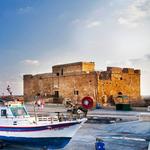
Paphos Castle
The Paphos castle is perhaps the most distinctive monument of the harbour, overlooking the entire western tip of the area. The castle initially served as a Byzantine fortress but it has also been a prison and a warehouse from during the medieval times until the 17th century.
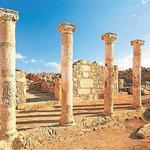
Kato Pafos Archaeological Park
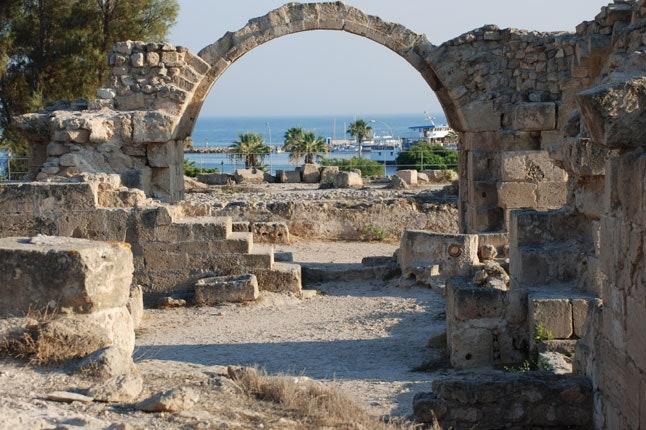
The Paphos Archaeological Park falls under UNESCO’s cultural heritage protection and is a monument with great archaeological importance. The archaeological park of Paphos features monuments from the Neolithic period to the Medieval times, although most ruins remain from the Hellenistic and Roman periods.
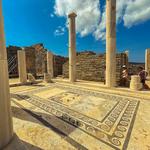
House of Dionysus
The House of Dionysos is the jewel in the crown of Katos Pafos Archaeological Park - a fine collection of well-preserved mosaics depicting Dionysus (The Greek-Roman God of wine and festivities) in a Roman villa that dates back to the 2nd century B.C.
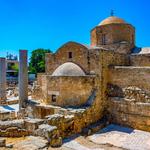
Agia Kyriaki Chrysopolitissa
Agia Kyriaki church is one of the oldest churches in Paphos, built around the 13th century. The impressive Paul’s Pillar a few meters before the church’s entrance is the pillar where, according to a local legend, Paul was tied and beaten 39 times for spreading the word of God to false idol worshippers.
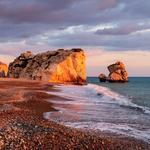
Aphrodite's Rock
This nearby sea stack (aka Petra tou Romiou) is considered the birthplace of Aphrodite. Amusingly, there’s no consensus on which specific rock is the actual one: perhaps it’s the large one dividing the pretty pebbly shore. The slab is said to have been part of Uranus’s testicles, thrown there after he was mutilated by his son, Cronus; laps of it are said to yield pregnancy, eternal youth or eternal love.
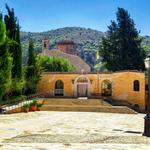
Holy Monastery of Agios Neophytos
Agios Neophytos was founded by a 12th-century monk called Neophytos, who made the Troodos foothills above Paphos his base for a life of asceticism. He impressively excavated a natural cave to form a living cell, a small chapel and a tomb. The monastery is still active; a basilica-style church, added outside four centuries later, houses its simple museum.
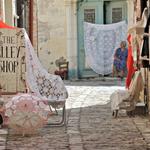
Buy Lace in Lefkara
90 minutes by car from Paphos, the mountain village of Lefkara has not one but two niches to accompany a spectacular location. First, Lefkara is a universally agreed home to the island’s most beautiful silverwork, from filigree to still-used Byzantine designs. You’ll also find some of Cyprus’s hand-worked lace embroidery - a kind called 'lefkaritika' that features on the Unesco world heritage list and is usually made by groups of women sitting and working outside.
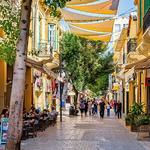
Nicosia and its Dividing Line
In Cyprus’s biggest city, Nicosia, a dividing Green Line separates the de facto Turkish “state” of northern Cyprus, recognised only by Turkey. You can crisscross this UN-overseen buffer zone or take an island-wide taxi tour which crosses the border.