
Things To Do
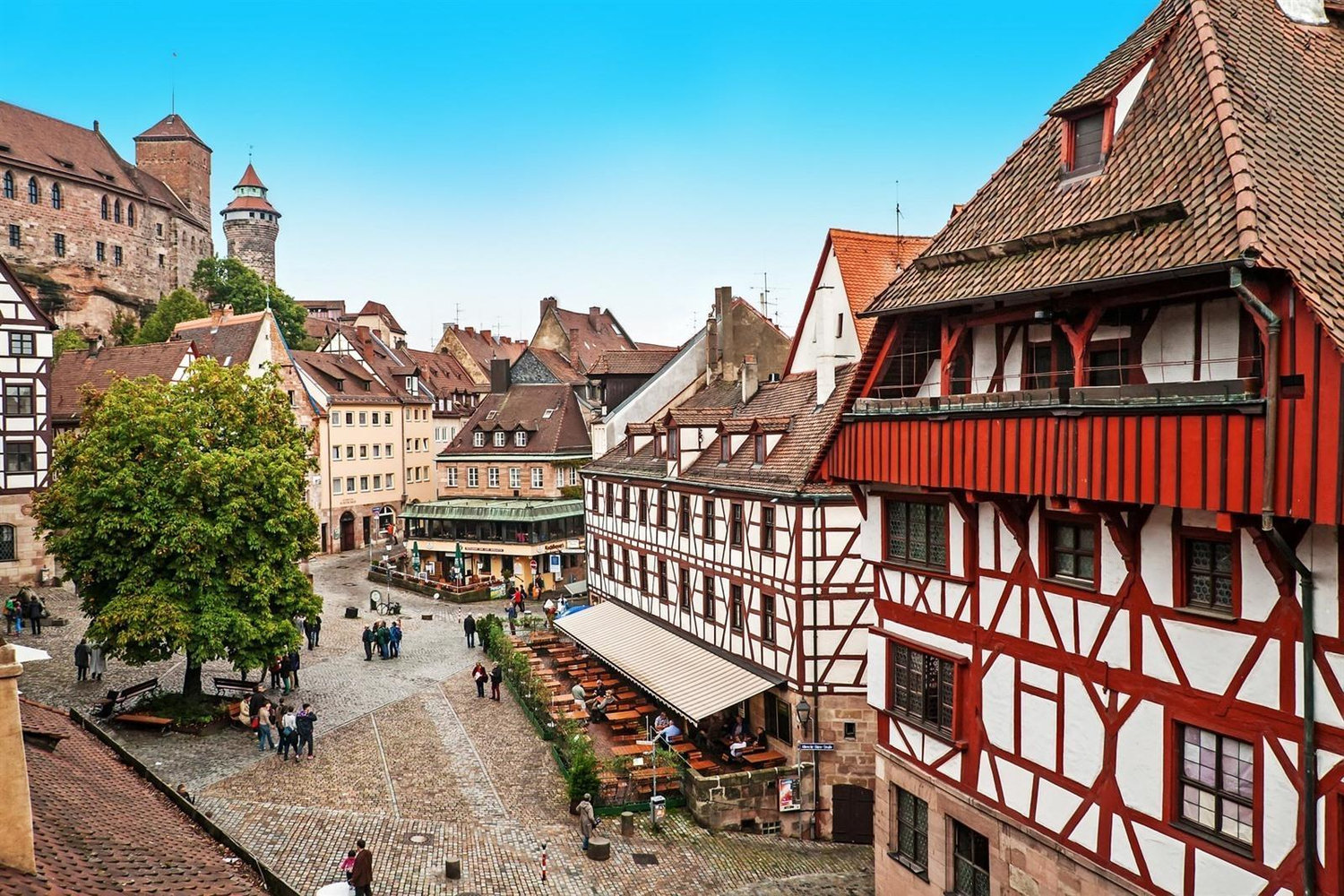
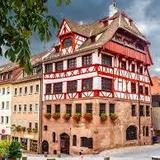
Albrecht Dürer House
Albrecht Dürer (1471–1528), Germany's most famous artist, lived and worked in this massive half-timbered house for nearly 20 years, from 1509 onwards. This is not only one of the few surviving burgher houses from Nuremberg’s golden age, but even more significantly, it is the only surviving 15th century artist's house in Northern Europe. Today its rooms convey an authentic atmosphere of its era, and also reflect the house's history since 1828 as Germany's first artist's memorial site. A special feature is the tours led by an actress playing Dürer's wife Agnes. Changing exhibitions present items from the abundant holdings of the city's art collections, as well as valuable copies of Dürer's paintings. Historical printing techniques are demonstrated in the workshop.
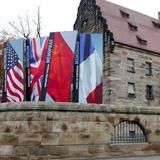
Memorium Nuremberg Trials
World history was written in a courtroom of the Nuremberg Palace of Justice. It was historic Courtroom 600 where leaders of the Nazi regime had to answer for their crimes before the International Military Tribunal between November 20, 1945 and October 1, 1946. The trials had an enormous influence on the development of international criminal law right up to the present. The Memorium Nuremberg Trials is an information and documentation center which is located on the top floor of the courthouse. It provides insights on the defendants and their crimes, the Subsequent Nuremberg Trials of 1946-49, and the impact of the Nuremberg Trials until today.
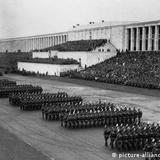
Documentation Center Nazi Party Rally Grounds
The National Socialists held their Party Rallies in Nuremberg from 1933 to 1938. Even today, the remains of the huge structures they built bear witness to how these propaganda shows were staged. As we continue to work on the remodeling project, an Interim Exhibition offers a comprehensive sense of the area's history and the Nazi Party Rallies. The remodeling work is scheduled for completion at 2026. Signboards distributed around the Rally Grounds themselves – which spread across some 4 square kilometers, or 1.5 square miles – tell about the history of various locales.
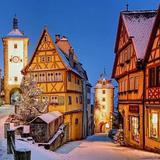
Rothenburg ob der Tauber
Rothenburg ob der Tauber is a cute little town located in the district of Ansbach in Mittelfranken (Middle Franconia), about 80km from Nürnberg. It is well known for its well-preserved medieval old town and it is part of the popular Romantic Road through southern Germany. Today it is one of only four towns in Germany that still have completely intact city walls. For all Santa lovers, there's a Christmas museum. If you're more into dark stuff, the medieval torture museum might be what you're looking for.
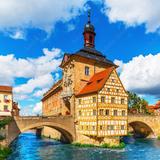
Bamberg old town
The old town of Bamberg its characteristic medieval streets and timber houses became a UNESCO World Heritage Site since 1993. Located on the river Regnitz close to its confluence with the river Main, the town dates back to the 9th century and as in the old days, it still attracts merchants, musicians and artists from all over the world.
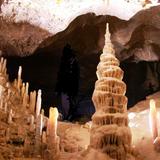
Teufelshöhle bei Pottenstein
Take a guided tour through this magnificent dripstone cave in the heart of the forests of "Franconian Switzerland". The tour takes about one hour and the surrounding area is beautiful (on a nice winter's day).
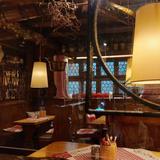
Restaurants in Nürnberg
Zum Flössla (Franconian) Kopernikus (Franconian & Polish) Wirtshaus Hüttn (Franconian) Padelle d'Italia (Italian) Monki Ramen (Asian) Kokoro (Sushi)

Cafes & Bars in Nürnberg
Espressolab (Coffee) Cafe Bar Katz (Coffee, Drinks and Good Vibes) Kontiki (Cocktails) Beim Almosmüller (Beers & fine Spirits) Harlem Bar (Cocktails) Pilsbar Millionär (Sportsbar)