Things To Do
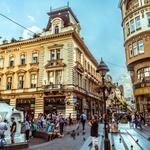
Knez Mihailova Street (Main pedestrian zone) and Republic Square
If you feel like sensing Belgrade at its core, then Knez Mihailova Street, its heart and soul, full of poethical spots is the perfect beginning. No matter what time of the day you have decided to have a walk through Knez Mihailova, it is never a mistake. This oldest and the most important street of Belgrade and beautifuly preserved old buildings not only testifies the rich history of the former town of Singidunum, but also the liveliness of the people. There is not a single moment of the day or night when the street is empty. Republic Square or Square of the Republic is one of the central town squares and an urban neighborhood of Belgrade, located in the Stari Grad (Old Town) municipality. It is the site of some of Belgrade’s most recognizable public buildings, including the National Museum, the National Theatre and the statue of Prince Mihailo.
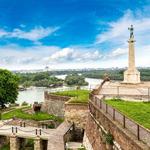
Kalemegdan fortress
Kalemegdan fortress is most important cultural and historical complex in the city built at the end of the 1st century AD. The fortress itself, often erroneously referred to, even by the locals, as Kalemegdan, is a national heritage, perched on top of a 125-meter-high (410 ft) cliff, overlooking the confluence of the Sava and Danube rivers. During the summer season you can visit its underground, caves, dungeons, tunnels, bunkers and other buildings that were built and demolished in different periods of our history by the people who lived there or passed through Belgrade, the world's great crossroad.
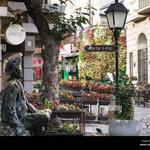
Skadarlija
Skadarlija is a vintage car-free zone located in the Belgrade municipality of Stari Grad (Old town) and generally considered the main bohemian quarter of Belgrade, similar to Paris’ Montmartre. After Kalemegdan, Skadarlija is the second most visited tourist attraction in Belgrade (up to 20,000 people daily). It includes well-known restaurants (typical national cuisine), art galleries, antique and souvenir shops, etc... Groups playing Serbian brass or traditional urban music and actors dressed in traditional Serb costumes perform down the street.
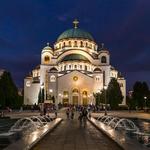
Saint Sava Orthodox Cathedral
The Saint Sava Orthodox Cathedral in Belgrade is dedicated to Saint Sava, the founder of the Serbian Orthodox Church in the Medieval Serbia.It’s one of the largest buildings in Belgrade, being in fact the second largest Orthodox Christian complex in the entire world. What made this Temple even more appealing to visitors is the burial church below the ground with the crypt and the exhibition area and the treasury of the Serbian Orthodox Church.
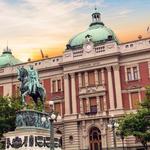
National Museum of Serbia
The oldest museum institution in Serbia rises in the very center of Belgrade, right behind the monument to Prince Mihailo Obrenović. It is about the National Museum, founded in 1844, in which some of the most valuable works of the Serbian cultural heritage are kept. Of course, this museum is home to many other works of world art.
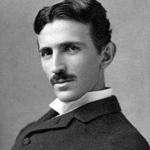
Nikola Tesla Museum
The Nikola Tesla Museum is a science museum located in the central area of Belgrade. It is dedicated to honoring and displaying the life and work of Nikola Tesla as well as the final resting place for Tesla. The Nikola Tesla Archive was inscribed on UNESCO's Memory of the World Programme Register in 2003 due to its critical role regarding history of electrification of the world and future technological advancements in this area.
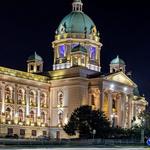
House of the National Assembly
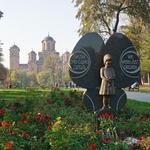
Tasmajdan Park
In the center of the city, at the intersection of large streets and boulevards, there is a green oasis - Tasmajdan Park. This is probably one of the most famous parks in Belgrade and a favorite place for people who are looking for rest and enjoyment among trees and animals. In addition to impressive beauty and size, this park has a rich history. The Church of St. Mark is an indispensable part of a tour of the park. In addition to greenery and the Church of St. Mark, the park preserves many cultural and historical monuments.
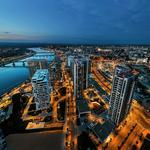
Belgrade Waterfront
Tucked away by the Sava River, Belgrade Waterfront is a monumental urban revitalization project that create a new city centre and a new international destination.