Máté & HayaMáté & Haya
Things To DoThings To Do
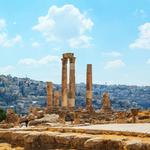
Amman CitadelAmman Citadel
Located on a hill it gives visitors a glimpse into the evolution of Amman and provides stunning views of downtown Amman.
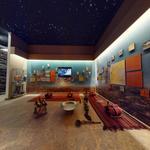
The Jordan MuseumThe Jordan Museum
The Jordan Museum is located in the dynamic new downtown area of Ras al-‘Ayn. Presenting the history and cultural heritage of Jordan in a series of beautifully designed galleries
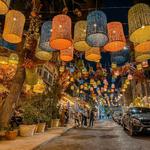
Rainbow StreetRainbow Street
Rainbow Street in Amman is a promenade of restaurants and shops that is popular with both locals and tourists alike. From cafes to luxury restaurants, Rainbow Street has a large number of places to eat. The food here has a good reputation and it is a great place to meet fellow travelers and share stories with the locals.
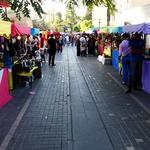
Souk JaraSouk Jara
This summer street market in Jabal Amman is open on Fridays and includes stalls selling local wares, pop-up cafes, street food and live performances from local bands and musicians. If you’re in Amman during the summer, you can’t miss out on this family friendly activity!
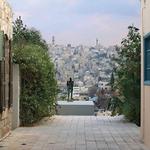
Darat al Funun-The Khalid Shoman FoundationDarat al Funun-The Khalid Shoman Foundation
Jordanian, Palestinian, Syrian and Lebanese families built the houses that form Darat al Funun. They are a living memory of the history of Jordan and the shared history of the Bilad al Sham. Darat al Funun today is an oasis for the arts overlooking the crowded downtown area of the old city of Amman.
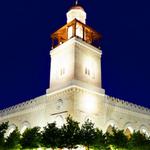
King Hussein MosqueKing Hussein Mosque
The King Hussein Bin Talal Mosque, named after the late King, is the largest mosque in the Kingdom. Its architecture reflects the Umayyad style prevalent in several sites in Jordan.
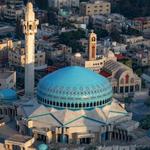
King Abdullah I MosqueKing Abdullah I Mosque
Built as a memorial by the Late King Hussein to his grandfather, the unmistakable blue-domed mosque can host up to 7000 worshippers inside and another 3000 in the courtyard area.
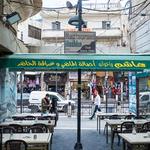
Hashem Restaurant Down TownHashem Restaurant Down Town
Hashem Restaurant is one of the oldest restaurants in the country and is famous for its Hummus and Falafel. The restaurant has managed to maintain its standards for over forty years and there isn’t a single person in Amman who isn’t familiar with the location. Its downtown branch is usually full of visitors at any time of the day. The beauty of Hashem Restaurant is that locals and foreigners frequent this famous establishment.

Habibah Sweets - DowntownHabibah Sweets - Downtown
Habiba is one the most famous places that serves Knafeh. It is considered a complimentary dessert to the hummus and falafel dishes at Hashem Restaurant nearby. The place is always packed full of people who stand in line waiting to get their share of the delicious ‘Nabulsi Kanafeh’. The dessert can be eaten in the courtyard near the restaurant or pre-ordered for large events and gatherings.
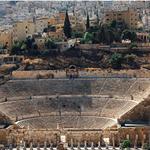
Roman TheaterRoman Theater
The restored Roman Theatre, which dates back to the 2nd century AD is built into three sides of the hillside, it seats around 6000 people and is still used for performances today.

The Duke's DiwanThe Duke's Diwan
A unique look into the architectural heritage of Amman, this home has been converted by its owner to a public space for artists and musicians. While the home’s initial purpose served as Amman’s first post office in the 1930s, the building was then transformed into a hotel and then into the creative space that it is now. It is truly a an immersive experience bringing visitors back through Amman’s history.
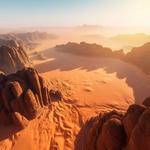
Wadi Rum DesertWadi Rum Desert
In the heart of the Jordanian desert, Wadi Rum boasts towering cliffs, dark caverns, narrow gorges, impressive mountains, sweeping dunes, and refreshing springs. Even better: it suits not just those who are looking for beauty and solitude, but adrenaline junkies as well.
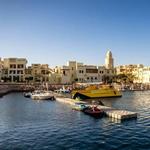
AqabaAqaba
Inhabited since 4000 B.C., it's home to the Islamic-era Aqaba Fort. Its beach resorts are popular for windsurfing and other water sports, and the area is a top destination for scuba divers, with notable dive sites including the Yamanieh coral reef in the Aqaba Marine Park, south of the city.
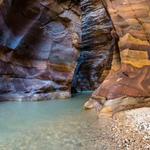
Wadi Mujib (Canyoning)Wadi Mujib (Canyoning)
Wadi Mujib is an impressive river canyon and one of Jordan's most remarkable natural wonders. It's perfect for hiking and canyoning, and a day trip here is one of the most exciting and daring activities you can do in Jordan. You can easily get to Wadi Mujib from the Dead Sea or from Amman. It's the top spot for canyoning adventure, promising a really memorable experience in nature.