
Things To Do
Santiago de Compostela
For centuries, thousands of pilgrims have travelled on Saint James’ Way every year, finally reaching the capital of Galicia and entering the iconic Cathedral. According to tradition, this is the burial place of the relics of James the Apostle, discovered in the 9th century.
Muros
This town is 71 kilometres from the city of Santiago de Compostela. Its old town has been declared Property of Cultural Interest. It is well worth taking your time to visit it.
Combarro
The village of Combarro is located in the Rías Baixas estuaries, six kilometres from the city of Pontevedra. The old quarter in Combarro, which has been declared Property of Cultural Interest, is a representative example of three traditional architectural elements in Galicia: "hórreos" (raised granaries), "casas marineras" (sea houses) and crosses.
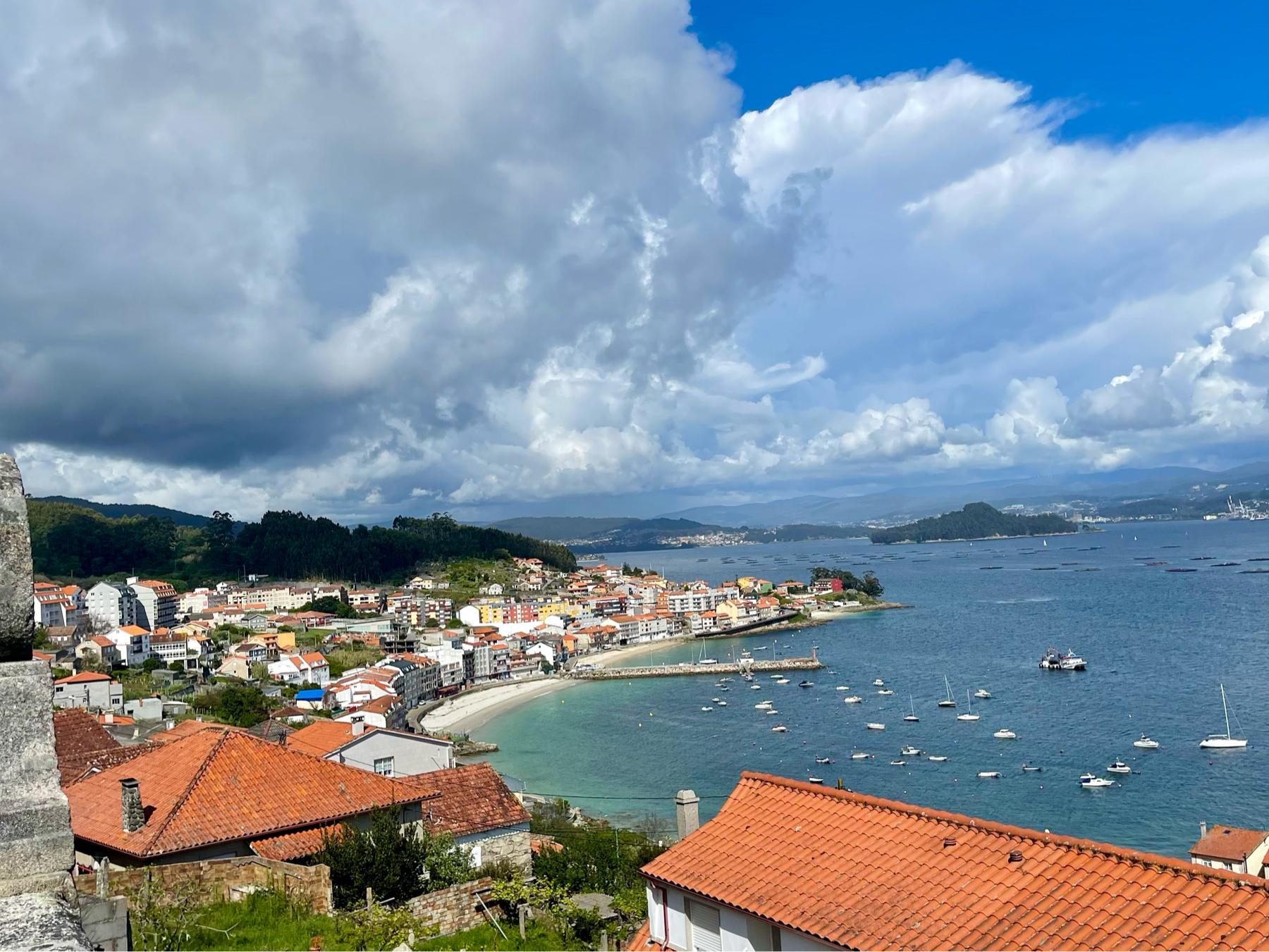
Rías Baixas Estuary
This coastline is regarded by many as a paradise, and it is also the site of the Cíes Islands, known by the Romans as "the islands of the gods". Its coastline combines the blue of the sea and the greenery of its setting with the seafaring tradition of Galicia, in an area which extends from the estuaries of Muros and Noia to the mouth of the Miño River in A Guarda (Pontevedra)
Porto
But this is not a new city -- it's an ancient port steeped in history and tradition. It's a highly atmospheric place that has become known for its monuments by renowned architects (Gustave Eiffel's Dona Maria Bridge, Nicolau Nasoni's Clerigos Tower, Rem Koolhaas' Casa da Musica, or Siza Vieira's Serralves Museum), but just when you think you don't know much about this city, think again. This is the city that originated and named Port Wine, and gave birth to one of world history's legendary figures, Prince Henry the Navigator (you'll also see in new guidebooks that it is also the birthplace of that world-famous fictional character, Harry Potter -- author J. K. Rowling was living in Porto as an English teacher when she started writing her first book).