
Things To Do
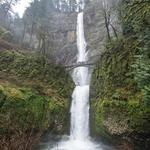
Multnomah Falls
The tallest waterfall in Oregon! ALong the drive from PDX airport to Hood River.
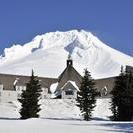
Timberline Lodge and Ski Area
Constructed in 1937, Timberline Lodge stands on the south slope of Mt. Hood at an elevation of 6,000 feet. This beautiful 55,000 square foot structure rises out of a pristine alpine landscape and is still being used for its original intent – a magnificent ski lodge and mountain retreat for everyone to enjoy. Legendary and awe-inspiring, it's a tribute to the rugged spirit of the Pacific Northwest. Declared a National Historic Landmark in 1977, Timberline Lodge is one of Oregon’s most popular tourist attractions, drawing nearly two million visitors every year.
Double Mountain Brewery
We usually stop here every time when in Hood River!
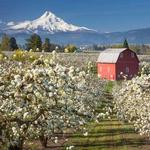
Hood River County Fruit Loop
The Hood River County Fruit loop is located in the beautiful Hood River Valley at the foot of majestic Mt. Hood. The twenty-nine member stands offer you a variety of wines, fruits, vegetables, flowers, ciders, and food. While there are twenty-nine stands, they are not all open at the same times and dates. Many of the wineries are open all year. Most of the fruit stands open during harvest time, which changes every year. Cooler weather means that the fruit is harvested later, warmer weather makes for an earlier season. Specialty stands, such as blueberries, have a shorter season.
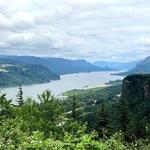
Columbia River Gorge National Scenic Area
The Columbia River Gorge, a 75-mile canyon through the Cascades, is a broad, picturesque river with water-controlling dams.
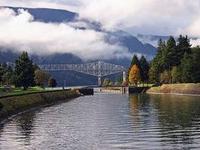
Cascade Locks
Cascade Locks is one of the oldest towns on the Columbia River. It sits on a section of the river that Lewis and Clark described in their journals as the “great rapids of the Cascades,” a stretch of raging water more than two miles long that was formed by a massive ancient landslide. Because of the dangerous rapids, pioneers moving west had to stop here. A small settlement grew up on the banks of the river in the early 1850s to help travelers portage around the rapids, first by foot, then by mule-drawn rail cars, steam engines, and finally riverboats. Cascade Locks was home to the first steam engine west of the Mississippi, the Oregon Pony, built in 1862 to carry passengers and freight past the rapids (now on display in the Marine Park next to the Cascade Locks Historical Museum).
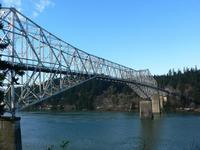
Bridge of the Gods
The Bridge of the Gods spans the Columbia River in the town of Cascade Locks, four miles upriver from Bonneville Dam. It is a toll bridge operated by the Port of Cascade Locks. The toll, as of 2016, is $2 for passenger cars and light trucks traveling in either direction (You can buy a $20 coupon book which allows for 20 crossings, $1 per crossing with a coupon). The bridge was originally constructed by the Wauna Toll Bridge Company, and opened in 1927. When Bonneville Dam was built, the bridge was raised and lengthened to account for the higher water levels. The bridge is named after a geologic formation that is thought to have dammed the Columbia River at this same location. The name "Bridge of the Gods" comes from a Native American legend, which is described nicely on the Port of Cascade Locks website.
Bend
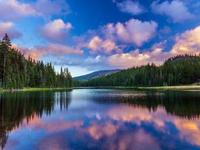
Bend, Oregon, is well known as a destination that offers quality outdoor recreation all year round. Located just east of Oregon's Cascade Mountain Range, the Bend region offers a variety of interesting and scenic terrain, including lakes, rivers, desert, forest, and volcanic peaks. The city of Bend also has lovely parks, interesting shopping, and great food and drink options.
Full Sail Brewing Company
Oregon Coast
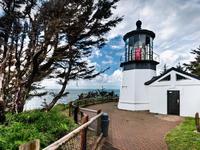
U.S. Route 101, is a major north–south U.S. Highway in Oregon that runs through the state along the coastline near the Pacific Ocean. The Southern Oregon coast is home to isolated beaches, rugged cliffs with breathtaking views of the Pacific and quaint seaside towns. If you stay in the Bay Area, go whale watching at Coos Bay or explore the region on a bike or a hike along the coastline. The Central Oregon Coast is a great place for fishing, clamming, hiking, golfing and other outdoor activities. Take the kids and visit the Sea Lion Caves near Florence. Head up to Newport for a view of the state’s second-tallest lighthouse and shopping. Go fly a kite on the beach in Lincoln City, kite capital of the world. The Northern Oregon Coast offers a relaxing way to enjoy the region. A stay in the scenic town of Astoria on the Washington border will allow you to explore the western edge of the Lewis and Clark trail, with views of the Columbia River and the Pacific.