Things To Do

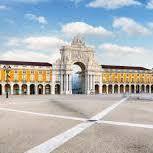
Praça do Comércio
Praça do Comércio is one of Lisbon’s most iconic squares, opening onto the Tagus River and framed by yellow arcades and the Rua Augusta triumphal arch. Once the site of the royal palace, it's now a gathering place in the middle of the city and a well-known stop for visitors. It offers river views, grand architecture, and a sense of Lisbon’s maritime history. If you need a coffee, check out Cafe Martinho da Arcada. If you'd like a glass of wine, you can check out the Wines of Portugal tasting room. From here, consider walking 10 minutes to As Bifanas do Afonso for a sandwich.

Eat a Bifana (As Bifanas do Afonso)
A 10-minute walk from the Praca do Comercio is this no-frills sandwich shop selling bifanas, thinly sliced pork sandwiches. Eat it as-is or add mustard or piri-piri hot sauce. It's open 8am-6:30pm, cash-only, costs a few euros, and lines may be long around lunchtime. Wash it down with a shot of ginjinha, about a 10 minute walk away.

Take a shot (A Ginjinha Espinheira)
This hole-in-the-wall bar serves ginjinha, cherry brandy. It's one of the oldest bars in Lisbon and one of the last of its kind. Ginjinha historically was made by monks from aguardiente (brandy) infused with a sour cherry, sugar, and cinnamon. Order ginjinha either with or without the berry. Be warned, It's strong stuff! If you're ready for desert, walk across the square to Confeitaria Nacional.
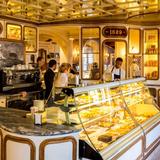
Sweet treats (Confeitaria Nacional)
This is a palace of sweets and one of the oldest pastry shops in Lisbon. Their specialty is sweets made from Convents (Doçaria Conventual); nuns would use egg whites to starch their abbots and use remaining yolks, along with Brazilian sugar, to make cakes. Next, walk across the square to Largo São Domingos (Church of St. Dominic) to behold the Baroque or to the famous A Brasileira Cafe.

Seafood feast (Cervejaria Ramiro)
Anthony Bourdain called this restaurant "a seafood paradise." It offers just about every kind of seafood, bread, a steak sandwich and beer-- and that's it! Try the Percebes (goose barnicles) and gammas al ajillo (garlic shrimp). You can make a res or walk in, but expect long lines at peak hours. If you make a reservation, request to sit downstairs for a more authentic experience. It's open Tues-Sun 12pm-midnight.

Dinner and a show (Fado)
Fado is kind of like The Blues. The heart of fado is the idea of saudade, a uniquely Portuguese word describing a bittersweet yearning for something absent—whether a lost love, the sea, or the past. Songs are usually slow and expressive, sung by a solo vocalist accompanied by the Portuguese guitarra (a 12-string pear-shaped guitar) and a classical guitar. Performances are typically intimate and atmospheric: dim lighting, quiet rooms, and audiences who listen silently while the singer delivers dramatic, deeply personal lyrics. If this sounds like something you'd be interested in, there are many Fado houses throughout the city (especially in Alfama/Baixa district), and some offer dinner with the performance, such as Sr. Vinhos in the tawny Lapa district. If you'd like something more casual, try A Tasca do Chico.
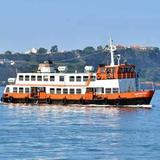
Ferry ride to Ponte Final
Take the 15-minute ferry from Cais do Sodre station in Lisbon across the river to Cacilhas for incredible views of the city and the Christ the Redeemer statue. Once in Cacilhas, walk about 12 minutes to the Riverside restaurant Ponto Final for traditional, seafood-forward Portuguese cuisine. No need to buy ferry tickets in advance, you can buy them a tote ticket machines at the station and ferries leave about every 15 minutes. To reserve a table at the popular Ponte Final, email pontofinalrest@gmail.com 1-4 months in advance. Lunch runs from 12:30-4 and dinner from 7-11pm. They accept walk-ins and the line starts at 5:30pm.
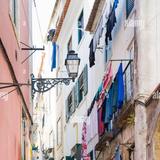
Walk through Alfama
The Alfama district is old, winding, and charming. Start at the top of the hill at the Castelo de São Jorge (castle of Saint George). It offers panoramic views of the city and the river and has been an important site in Lisbon for centuries. It's one of Portugal's most visited monuments, so buy tickets in advance via the website and visit early in the morning or later in the evening to avoid crowds. Next, walk to the Miradouro de Santa Luzia lookout for views and photos; if you need a bite ASAP, stop in at Chapeto a Mesa beforehand. After the lookout, walk through the narrow streets (passing the Lisbon Cathedral and the Church of Saint Anthony) to the Fado Museum to learn about Portugal's music history. For an authentic meal, walk to Maria Catita or Taberna Sal Grosso-- you won't regret it. If you have any more sightseeing left in you, take an Uber or bolt to the Museu Nacional do Azulejo (Museum of Azulejo tiles)-- it's wonderful. Reminder: wear sneakers.

An afternoon in Belém
Belém is a riverside district about 5 miles west of Lisbon (roughly a 20-minute drive) where many of the city’s monuments to the Age of Exploration are located. Start at Belém Tower, originally built as a defensive fortress and ceremonial gateway for ships entering the harbor and now a UNESCO World Heritage Site. From there, walk along the river to the Monument to the Discoveries, a dramatic 1960s monument honoring Portugal’s explorers, built in the grand style favored during the Salazar era. Continue about 10 minutes to the Jerónimos Monastery, a masterpiece of Manueline architecture constructed in the early 1500s to commemorate Vasco da Gama’s voyage to India. Finish with a stop at Pastéis de Belém to try their famous custard tarts. These highlights are close together and easy to see in half a day. If you still have energy for more sightseeing, take an Uber or Bolt to the nearby Ajuda National Palace.

Day trip to Sintra
18 miles west of Lisbon, Sintra is known for its cooler mountain climate and lush landscape. It was a retreat for the Portuguese aristocracy in the 19th century and dubbed a "glorious Eden" by Lord Byron. It has many palaces and gardens to tour, including the Moorish Castle, the Palacio Nacional de Pena, Palacio de Monserrate, Palacio Nacional de Sintra, and the Capuchos Convent. Sintra is a 40 minute train ride from the Rossio Railway Station downtown. If driving, consider the N247 coast road from Caiscais past Guincho. Once in Sintra, you can walk or take Tuk Tuks from site to site. This is a great place for either a day trip or an overnight stay—spending the night lets you access the palaces early the next morning and beat the crowds.
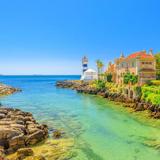
Beach day in Cascais
Cascais is an upscale seaside town known for its beautiful beaches and charming old town. It's about 20 miles west of Lisbon and a 40 minute train ride from Lisbon's Cais Sodré neighborhood. Praia do Guincho (Guincho Beach) is a renowned soft sand beach on Europe's western extremity and is best for surfing (board, wind or kite)-- if you are here, eat at O Faroleiro. To laze in the sun, check out the main sandy beaches right in town, Praia de Conceicao and Praia da Duqesa. To eat, check out Beira Mar Restuarante or Marisco na Praca. Take a day trip or spend the night.