Things To Do
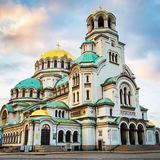
Sofia
Brunch: Cafe 1920, Sabale, Wonderland Brunch & Cake, Starata Gospoja (the Old Lady) Lunch/Dinner: Shtastlivetsa, Konstantinoff, Cava, Pod Lipite, Umami, Yum, Happy, Burrata Clubs/bars: Sense Hotel Rooftop Bar, Largo, Carousel, Exe, Manco Bar&Club, Skinny Bar Museums: National Museum of History, Kvadrat 500 (National Gallery), National Military History Museum, Rakia Museum, The Red Flat (Everyday Life in Communist Bulgaria)
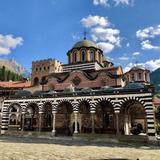
Rila Monastery
Rila Monastery is Bulgaria’s most famous monastery and a UNESCO World Heritage Site, located in the scenic Rila Mountains about two hours from Sofia. Founded in the 10th century by the hermit Saint Ivan of Rila, it is known for its colorful frescoes, striped arches, and beautiful mountain setting. Today it is one of the country’s most important cultural, religious, and historical landmarks.
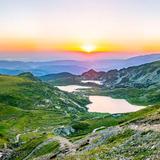
Seven Rila Lakes
The Seven Rila Lakes are a group of stunning glacial lakes located high in the Rila Mountains. Each lake sits at a different elevation and is named after its shape or characteristics. The area is one of Bulgaria’s most popular hiking destinations, known for its breathtaking mountain views, alpine scenery, and beautiful nature.
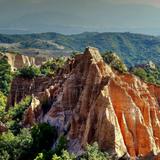
Melnik
The Melnik Earth Pyramids are unique sandstone rock formations located near the small historic town of Melnik in southwestern Bulgaria. Shaped by erosion over thousands of years, these dramatic natural formations rise up to 100 meters high and create a striking landscape. The region is also famous for its local wineries and traditional wine cellars, producing the distinctive Broad-Leaved Melnik grape variety. Visitors can explore scenic vineyards, enjoy wine tastings, and experience one of Bulgaria’s most historic wine-making regions. 🍷
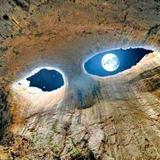
Prohodna Cave
The Prohodna Cave, often called the “Eyes of God,” is one of Bulgaria’s most famous natural landmarks. The cave is known for two large holes in its ceiling that resemble a pair of eyes looking down from above. Located near the town of Lukovit, it is one of the longest cave tunnels in Bulgaria and a popular spot for hiking, photography, and adventure activities like bungee jumping.
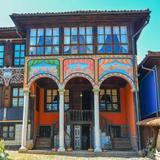
Koprivshtitsa
Koprivshtitsa is a charming historic town in the Sredna Gora mountains known for its beautifully preserved Bulgarian National Revival architecture. The town is filled with colorful 19th-century houses, cobblestone streets, and museums dedicated to Bulgaria’s revolutionary history. It played an important role in the April Uprising of 1876 and today is one of the best places to experience traditional Bulgarian culture and history.
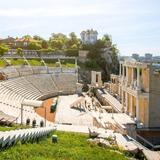
Plovdiv
Plovdiv Old Town is a beautifully preserved historic district located on the hills of one of Europe’s oldest cities. Known for its colorful Bulgarian Revival–style houses, cobblestone streets, and ancient ruins, the area blends centuries of history in one place. Highlights include the Roman Theatre of Plovdiv, historic museums, art galleries, and scenic viewpoints overlooking the city.
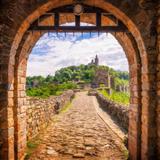
Tsarevets
Tsarevets Fortress is a medieval stronghold located on a hill in Veliko Tarnovo, Bulgaria’s former capital. The fortress was the primary residence of Bulgarian tsars during the Second Bulgarian Empire and is famous for its thick walls, towers, and the Patriarchal Cathedral at its center. Visitors can explore the historic site, walk along the ramparts, and enjoy spectacular views of the Yantra River and the old town below.
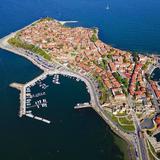
Nessebar
Nessebar Old Town is a picturesque historic town on Bulgaria’s Black Sea coast, known for its cobblestone streets, ancient churches, and well-preserved wooden houses. A UNESCO World Heritage Site, Nessebar combines Thracian, Greek, Roman, and Bulgarian history, making it a perfect spot for sightseeing, cultural exploration, and seaside relaxation.
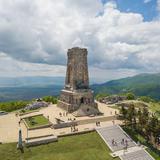
Shipka
The Shipka Monument is a striking memorial perched on Shipka Pass in the Balkan Mountains, commemorating the heroes of the Russo-Turkish War (1877–1878) who fought for Bulgaria’s liberation. Visitors can climb its 890 steps to reach the top, enjoy panoramic views of the surrounding mountains, and pay tribute to the soldiers whose courage shaped Bulgaria’s history. It’s both a powerful historical site and a breathtaking viewpoint.