Things To Do

City Palace
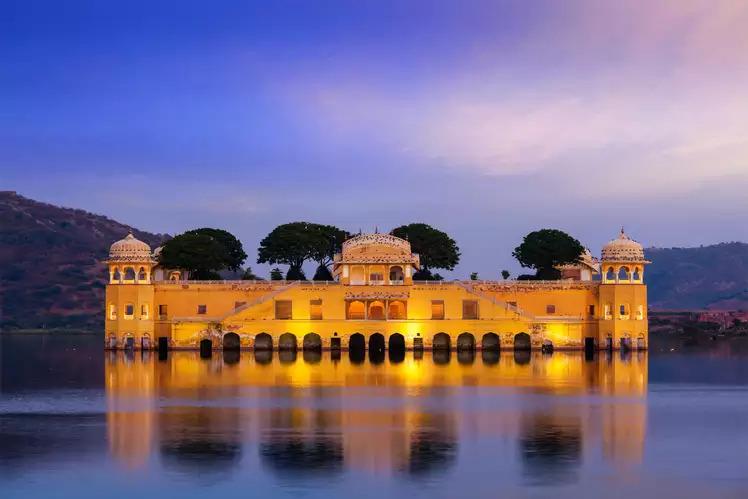
The City Palace, Rajasthan's largest palace, stands proudly overlooking the picturesque Lake Pichola. Its construction commenced in 1599 under the auspices of Maharana Udai Singh II and evolved into a complex of 11 smaller palaces. Accessible through either the Badi Pol or Sheetla Mata Gate, tickets are available at both entrances. Notably, a nominal fee of ₹30 is required for entry, granting access to attractions like the Crystal Gallery and Rameshwar Ghat, irrespective of possessing a City Palace Museum ticket. Upon entering Badi Pol, eight arches signify the tradition of weighing maharanas in gold or silver, distributed among the locals. Moving through the ornate Tripolia Gate leads to Manek Chowk, a sprawling courtyard housing historical artifacts such as a tiger-catching cage and a smaller version for leopards, offering a fascinating glimpse into the palace's storied past.

Lake Pichola
Limpid and large, Lake Pichola reflects the grey-blue mountains on its mirror-like surface. It was enlarged by Maharana Udai Singh II, following his foundation of the city, by flooding Picholi village, which gave the lake its name. The lake is now 4km long and 3km wide, but remains shallow and dries up completely during severe droughts. The City Palace complex, including the gardens at its southern end, extends nearly 1km along the lake’s eastern shore. Boat trips leave roughly hourly from Rameshwar Ghat, within the City Palace complex (note, you have to pay ₹30 to enter). The trips make a stop at Jagmandir Island, where you can stay for as long as you like before taking any boat back. Take your own drinks and snacks, though, as those sold on the island are extortionately expensive. You can also take 25-minute boat rides from Lal Ghat (₹250 per person) throughout the day without the need to enter the City Palace complex.
Jagdish Temple
Jagdish Temple, an architectural gem in Udaipur, is dedicated to Lord Vishnu. Built by Maharana Jagat Singh I in the 17th century, it captivates with its intricate carvings and towering spire. As you enter, the temple exudes an aura of spirituality, with the melodious hymns and fragrance of incense. Inside, the sanctum houses a striking black stone idol of Lord Vishnu. Surrounded by smaller shrines dedicated to various Hindu deities, the temple is a masterpiece of craftsmanship and devotion, offering visitors a serene and spiritually enriching experience.

Dharohar folk dance show at Bagore ki haveli
For a taster of Rajasthani culture, head to Bagore Ki Haveli — a private palace — in the evening for the local folk dance show. Yes, it sounds touristy as hell, but you’ll learn a lot about the dances, music, and puppetry that’s important for this region of India, and find plenty of locals catching the show, too.