Things To Do
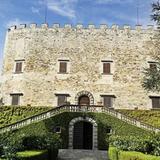
Castello di Montemurlo
Montemurlo Castle is a magnificent fortress located in the heart of Tuscany, Italy. Built in the 13th century, it boasts a rich history and a stunning architectural style that blends medieval and Renaissance elements. Over the years, the castle has served as a military stronghold, a noble residence, and a cultural center, and today it stands as a popular tourist attraction and a symbol of Tuscany's rich heritage. Visitors can explore the castle's impressive walls, towers, and courtyards, admire the breathtaking views of the surrounding hills and valleys, and learn about its fascinating past through guided tours and exhibitions.
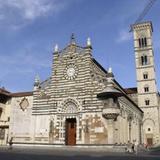
Cattedrale di Santo Stefano
The Duomo di Prato, also known as the Cathedral of Santo Stefano, is an architectural gem nestled in the heart of the charming city of Prato, Italy. With its origins dating back to the 10th century, the cathedral stands as a testament to centuries of historical and artistic evolution. Inside, visitors are awe-struck by the grandeur of its Romanesque facade adorned with intricate sculptures and magnificent rose windows. The interior is equally captivating, featuring a harmonious blend of Gothic and Renaissance styles, showcasing remarkable frescoes, elaborate altars and graceful arches. The Duomo's stunning bell tower offers a spectacular panoramic view of the surrounding Tuscan landscape. It is a testament to the craftsmanship and dedication of the artisans who contributed to its construction over the ages.
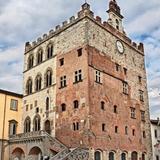
Museum of Praetorian Palace in Prato
The Museo di Palazzo Pretorio is a cultural gem nestled in the heart of Prato, Italy. Housed within the magnificent Palazzo Pretorio, this museum offers a fascinating journey through the city's rich history and artistic heritage. Originally built in the 13th century as a symbol of municipal power, Palazzo Pretorio showcases an exquisite blend of Gothic and Renaissance architecture. The museum's carefully curated exhibits take visitors on a captivating exploration, featuring a diverse collection of paintings, sculptures, historical artifacts, and archaeological finds. As visitors meander through the grand halls and ornate chambers, they are transported to different epochs, witnessing Prato's evolution from medieval times to the Renaissance period. The museum's highlight is undoubtedly the awe-inspiring frescoes, which adorn the walls and ceilings, revealing captivating tales of the city's past.
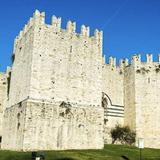
Castello dell'Imperatore
Castello dell'Imperatore, or the Emperor's Castle, is a magnificent medieval fortress located in Prato, Italy. This historic gem stands as a testament to the city's rich and storied past, offering visitors a captivating journey through time. Built in the 13th century under the guidance of the Holy Roman Emperor Frederick II, the castle's imposing walls and formidable towers reflect its original purpose as a symbol of imperial power. Over the centuries, it served as a strategic stronghold, witnessing various historical events that shaped the region's history. Today, Castello dell'Imperatore stands as a beautifully preserved monument, inviting visitors to explore its fascinating interiors and commanding battlements. Inside, the castle houses an intriguing museum that showcases archaeological finds, ancient artifacts, and exhibits that provide insight into the castle's historical significance.
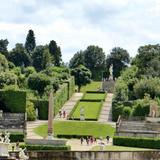
Boboli Gardens
Directly behind Pitti Palace are the marvellous Boboli Gardens. The Medici family established the layout of the gardens, creating the Italian garden style that would become a model for many European courts. The vast green expanse with a regular layout is a real outdoor museum, populated by ancient and Renaissance statues. The Gardens are also adorned with grottos, the most important of which is the famous grotto realized by Bernardo Buontalenti, as well as large fountains, such as the Fountain of Neptune and the Fountain of the Ocean. The subsequent Habsburg-Lorraine and Savoy dynasties further developed the layout, extending the boundaries that flank the ancient city walls until Porta Romana. In the stunningly beautiful terraced area there is an 18th-century pavilion called the Kaffeehaus, a rare example of Rococo architecture in Tuscany, and the Lemon House built by Zanobi del Rosso between 1777 and 1778.
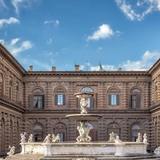
Palazzo Pitti
Palazzo Pitti (Pitti Palace) was built in 1549 as the residence of banker Luca Pitti. Later acquired by the Medici family, the Renaissance gem became the primary residence of the ruling families of the Grand Duchy of Tuscany. Situated on the south side of the River Arno near Ponte Vecchio, it is renowned for its impressive collection of art, jewelry, and luxury items.
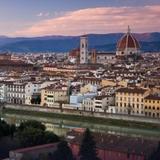
Piazzale Michelangelo
The Piazzale Michelangelo offers a beautiful panoramic view of Florence and the Arno, and is a must stop for tourists and Florentines.
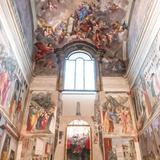
Cappella Brancacci
The Brancacci Chapel is a precious Renaissance jewel preserved in time: the stories’ cycle of San Peter is commissioned by the merchant Felice Brancacci to Masolino and Masaccio in the twenties of the Fifteenth century. *Tickets must be reserved in advance
Frescobaldi Wine Tours
Frescobaldi embodies the essence of Tuscany, its extraordinary vocation for viticulture, and the diversity of its terroirs. Frescobaldi's uniqueness stems precisely from the representation of this diversity through its estates and wines that express a kaleidoscope of aromas and sensations. Behind every Frescobaldi wine lies the heart of the people: agronomists and winemakers who live in the vineyard and the terroir, capturing every detail. Their art demands the iron rule of respect. Respect for their traditions, respect for Tuscany, and respect for each individual terroir
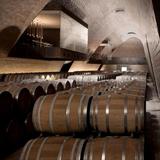
Cantina Antinori
The winery was inaugurated in October 2012 affirming the historical bond between the Antinori family and their ancestral territory. The winery was built entirely with locally sourced materials, respectful of the surrounding environment and the Tuscan landscape. It represents an important milestone in the history of the Antinori family. For the first time in 26 generations, the Antinori’s inaugurated a new winery designed to welcome wine enthusiasts inviting them to come into direct contact with their production philosophy based on passion, patience and the continual pursuit of high quality. In 2022, Antinori nel Chianti Classico winery was awarded first place in the World's Best Vineyards. This international ranking honors the most remarkable wine tourism destinations, voted by over 500 leading wine and tourism experts.
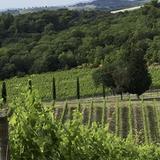
Castello di Banfi
Founded in 1978 by the vision of Italian-American brothers John and Harry Mariani, Banfi embodies a blend of passion for winemaking and technological innovation. Thanks to the collaboration with Ezio Rivella, one of Italy's most eminent winemakers, the land acquired in Montalcino has been transformed into a melting pot of quality and potential. The subsequent acquisition of the historic Piedmontese winery Bruzzone further enriched the portfolio, integrating Piedmont's sparkling wine tradition into the Banfi world.
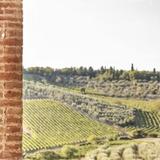
Castello di Ama
About 75 hectares under vine, around the village of Ama. The vineyards lie between 420 and 527 metres above sea level and extend across four valleys referred to by their traditional names of Bellavista, San Lorenzo, La Casuccia, and Montebuoni. 320,000 bottles are produced on average every year, divided between Chianti Classico and IGT labels.
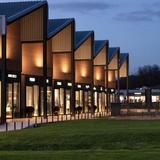
The Mall Firenze
Barberino Designer Outlet
In case you need: Recommended Salons in Florence
- Ciro in Via delle Terme tel. 055/294340 www.ciroviadelleterme.it/service/hairstylist/ - Pistolesi Group in Borgo Santi Apostoli 50r tel. 055/216007 www.pistolesigroup.it/en/contacts - Mario in Via della Vigna Nuova 22r tel. 055/294813 www.parrucchieremariodiviadellavignafirenze.com/contatti