Things To Do
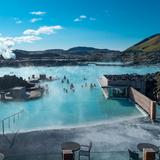
Blue Lagoon
The Blue Lagoon is Iceland’s most famous geothermal spa, renowned for its milky-blue waters, volcanic surroundings, and relaxing atmosphere. Located on the Reykjanes Peninsula, just a short drive from Keflavík Airport and Reykjavík, it is one of the country’s most iconic attractions. Guests can soak in the warm, mineral-rich waters, enjoy a silica mud mask, relax in the steam rooms and saunas, and take in the unique lava field scenery that surrounds the lagoon. Whether you’re visiting at the beginning or end of your trip, the Blue Lagoon offers a memorable and uniquely Icelandic spa experience.
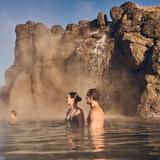
Sky Lagoon
Located just minutes from downtown Reykjavík, Sky Lagoon is a modern geothermal spa that combines Icelandic bathing traditions with stunning ocean views. Known for its serene atmosphere and beautiful infinity-edge lagoon, it has quickly become one of Iceland’s most popular wellness destinations. Guests can relax in the warm geothermal waters, enjoy views of the North Atlantic Ocean, and experience the signature seven-step ritual, which includes a cold plunge, sauna, steam room, body scrub, and more. Whether you’re looking to unwind after a long flight or enjoy a relaxing day in Reykjavík, Sky Lagoon offers a uniquely Icelandic spa experience.
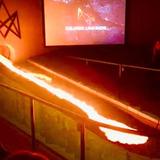
Lava Show
Located at Fiskislóð 73 in Reykjavík’s Old Harbor district, the Lava Show offers a truly unique experience where visitors can safely witness real molten lava flowing right before their eyes. Using lava heated to over 1,000°C (1,800°F), the show recreates a volcanic eruption and demonstrates the incredible forces that have shaped Iceland’s dramatic landscape. Guests can watch molten lava pour into the showroom, hear it crackle and cool, and learn about Iceland’s fascinating volcanic history from expert presenters. Combining education, science, and entertainment, the Lava Show is a memorable experience for visitors of all ages and a unique way to experience Iceland’s volcanic power up close.
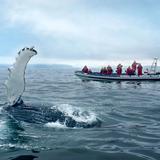
Whale Safari
A whale-watching tour from Reykjavík offers a fantastic opportunity to experience Iceland’s incredible marine wildlife while enjoying views of the city’s coastline and surrounding mountains. Tours take place in Faxaflói Bay, where a variety of whale species can often be seen throughout the year. Guests can join a guided boat tour to search for minke whales, humpback whales, white-beaked dolphins, and harbor porpoises while learning about Iceland’s marine ecosystem from knowledgeable guides. Whether you’re a wildlife enthusiast or simply looking for a memorable adventure on the water, whale watching from Reykjavík is an unforgettable experience.
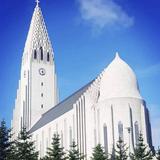
Hallgrimskirkja
Hallgrímskirkja is one of Iceland’s most iconic landmarks and the tallest church in the country. Located in the heart of Reykjavík, its striking design was inspired by Iceland’s basalt lava columns and has become a symbol of the city. Guests can admire the church’s unique architecture, visit the beautiful interior, and take an elevator to the top of the tower for panoramic views of Reykjavík, the surrounding mountains, and the ocean. The church square is also home to a statue of Leif Erikson, the famous Icelandic explorer believed to have reached North America long before Columbus. Whether viewed from afar or explored up close, Hallgrímskirkja is a must-see destination and one of Reykjavík’s most recognizable attractions.
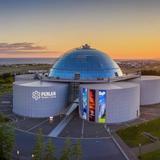
Perlan
Perlan is one of Reykjavík’s most popular attractions, combining interactive exhibits, stunning views, and fascinating insights into Iceland’s natural wonders. Located on Öskjuhlíð Hill, the glass-domed building offers visitors an engaging way to learn about Iceland’s glaciers, volcanoes, wildlife, and unique landscapes. Guests can explore the museum’s interactive exhibitions, walk through a real indoor ice cave, experience the immersive planetarium show, and visit the observation deck for panoramic views of Reykjavík and the surrounding area. Whether you’re interested in nature, science, or simply enjoying the scenery, Perlan offers something for visitors of all ages. With its blend of education, entertainment, and breathtaking views, Perlan is a must-visit destination in Reykjavík.
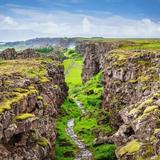
Þingvellir National Park
Þingvellir National Park is one of Iceland’s most important historical and natural landmarks. As the site of Iceland’s first parliament, founded in 930 AD, it holds a special place in the country’s history. The park is also located where the North American and Eurasian tectonic plates meet, creating a unique and dramatic landscape. Guests can walk through the Almannagjá rift valley, visit the historic Alþingi site, explore scenic hiking trails, and enjoy stunning views of the surrounding lava fields, mountains, and lakes. Adventurous visitors can also experience Silfra, a world-famous snorkeling and diving site known for its crystal-clear glacial water. As one of the highlights of the Golden Circle, Þingvellir is a must-visit destination for anyone exploring Iceland.
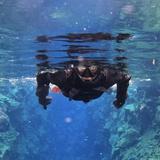
Silfra
Located in Þingvellir National Park, Silfra is one of the most unique snorkeling and diving sites in the world. Filled with crystal-clear glacial water, the fissure lies between the North American and Eurasian tectonic plates, offering visitors the rare opportunity to swim between two continents. Guests can join a guided snorkeling tour and float through the remarkably clear water while taking in the stunning underwater landscape. Dry suits and equipment are provided, making this unforgettable experience accessible even in Iceland’s cold waters.
Geysir
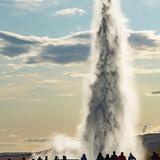
The Geysir Geothermal Area is one of Iceland’s most famous natural attractions and home to Strokkur, an active geyser that erupts every few minutes, sending hot water high into the air. Surrounded by steaming vents, bubbling hot springs, and colorful mineral-rich ground, the area showcases Iceland’s incredible geothermal activity. Guests can watch Strokkur erupt, explore the network of walking paths throughout the geothermal field, and learn about the natural forces that have shaped Iceland’s landscape. Located along the Golden Circle route, the Geysir Geothermal Area is a fascinating stop and one of the country’s most iconic sights.
Gullfoss Waterfall
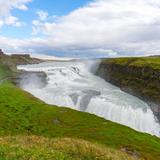
Gullfoss, or “Golden Falls,” is one of Iceland’s most famous and spectacular waterfalls. Fed by glacial water from the Hvítá River, the waterfall plunges in two dramatic stages into a rugged canyon, creating an unforgettable display of nature’s power and beauty. Guests can walk along the viewing paths to experience the waterfall from different angles, feel the mist from the rushing water, and enjoy the stunning surrounding landscape. As one of the highlights of Iceland’s famous Golden Circle route, Gullfoss is a must-see destination for anyone visiting Iceland.
Golden Circle Day Tours
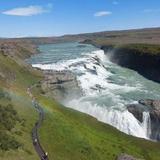
The Golden Circle is Iceland’s most popular sightseeing route and one of the best ways to experience the country’s incredible natural beauty in a single day. Located within easy reach of Reykjavík, the route features some of Iceland’s most famous attractions, including Þingvellir National Park, the Geysir Geothermal Area, and Gullfoss waterfall. Guests can join a guided day tour or explore the route at their own pace, stopping to admire waterfalls, geothermal features, volcanic landscapes, and historic sites. Many tours also include additional stops such as Kerið Crater, Friðheimar Tomato Farm, or Silfra. Whether it’s your first visit to Iceland or your tenth, the Golden Circle is a must-see experience that showcases some of the country’s most iconic sights.
Seljalandsfoss
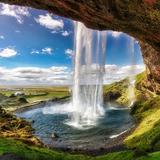
Seljalandsfoss is one of Iceland’s most famous and photographed waterfalls, known for the unique pathway that allows visitors to walk behind the cascading water. Fed by glacial meltwater from the Eyjafjallajökull volcano, the waterfall drops 60 meters (197 feet) into a beautiful valley. Guests can follow the trail behind the waterfall for a truly unforgettable perspective, take in the stunning surrounding scenery, and explore the nearby walking paths. Just a short walk away is Gljúfrabúi, a hidden waterfall tucked inside a narrow canyon that is well worth a visit. Seljalandsfoss is a must-see stop along Iceland’s South Coast.
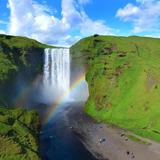
Skógafoss
Skógafoss is one of Iceland’s largest and most impressive waterfalls, with a width of 25 meters (82 feet) and a drop of 60 meters (197 feet). Its powerful cascade and dramatic setting make it one of the country’s most iconic natural attractions. Guests can admire the waterfall from below, climb the staircase beside the falls for breathtaking views from above, and explore the surrounding trails. On sunny days, rainbows often appear in the mist, adding to the magic of this unforgettable destination. Located along Iceland’s South Coast, Skógafoss is a must-see stop for visitors exploring the region.
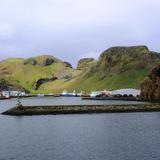
Heimaey
Located just off Iceland’s South Coast, Vestmannaeyjar is a group of islands known for its dramatic volcanic landscapes, rich history, and abundant wildlife. The largest island, Heimaey, is home to a thriving community and was shaped by the powerful volcanic eruption of 1973, which forever changed the island’s landscape. Guests can explore the Eldheimar Museum to learn about the eruption, hike to the top of Eldfell volcano for stunning views, visit the harbor, and enjoy some of the best puffin watching in Iceland. Boat tours around the islands offer incredible views of sea cliffs, caves, and birdlife, making Vestmannaeyjar a fascinating destination for nature lovers and history enthusiasts alike. With its unique blend of volcanic history, breathtaking scenery, and charming island atmosphere, Vestmannaeyjar is one of Iceland’s most memorable destinations.
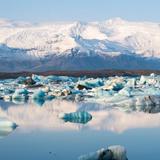
Jökulsárlón
Jökulsárlón is one of Iceland’s most breathtaking natural wonders, where massive icebergs break away from a glacier and drift through a stunning lagoon on their journey to the Atlantic Ocean. The ever-changing landscape of blue, white, and crystal-clear ice makes every visit unique. Guests can walk along the shoreline, watch the floating icebergs, spot seals swimming in the lagoon, or take a boat tour for a closer look at the glacier and ice formations. Just across the road, visitors can also explore Diamond Beach, where pieces of ice wash ashore and sparkle against the black sand. A visit to Jökulsárlón is an unforgettable experience and a highlight of any trip to Iceland.
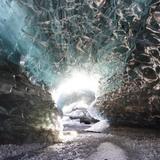
Vatnajökull National Park
Vatnajökull National Park is home to Europe’s largest glacier and some of Iceland’s most spectacular natural landscapes. Covering approximately 14% of the country, the park features glaciers, volcanoes, waterfalls, mountains, and vast wilderness areas, making it one of Iceland’s most extraordinary destinations. Guests can explore scenic hiking trails, join guided glacier hikes, and discover some of Iceland’s most famous attractions, including Jökulsárlón Glacier Lagoon, Diamond Beach, and Svartifoss waterfall. Whether you’re seeking adventure or simply want to experience the incredible beauty of Iceland’s natural wonders, Vatnajökull National Park offers unforgettable experiences for visitors of all ages.
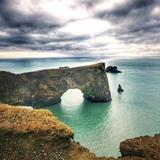
Dyrhólaey
Dyrhólaey is a dramatic coastal promontory on Iceland’s South Coast known for its towering cliffs, sea arches, and breathtaking ocean views. During the summer months, it is also a popular nesting area for puffins. Guests can explore the viewpoints, admire the black sand beaches below, and enjoy panoramic views of the coastline.
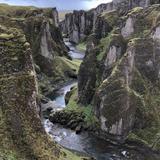
Fjaðrárgljúfur
Fjaðrárgljúfur is a stunning winding canyon carved by a glacial river over thousands of years. Its steep cliffs and lush greenery make it one of Iceland’s most beautiful natural landmarks. Guests can walk along the canyon’s viewpoints and enjoy spectacular views of the river below.
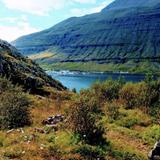
Egilsstaðir
Egilsstaðir is the largest town in East Iceland and serves as the gateway to the beautiful Eastfjords. Surrounded by forests, mountains, and Lake Lagarfljót, it is an excellent base for exploring the region while enjoying a variety of restaurants, shops, and local attractions. Guests can stroll through town, visit the nearby Hallormsstaðaskógur forest (Iceland’s largest forest), explore the scenic Eastfjords, relax at Vök Baths, or take a walk along Lake Lagarfljót, which is said to be home to Iceland’s legendary lake monster. The town also offers great opportunities for hiking, sightseeing, and experiencing the quieter side of Iceland.
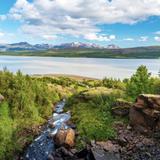
Hallormsstaður Forest
Hallormsstaðaskógur is Iceland’s largest forest and a peaceful retreat on the shores of Lake Lagarfljót. The area is filled with walking trails, picnic areas, and scenic viewpoints. Guests can hike through the forest, enjoy the lake views, and experience one of Iceland’s rare wooded landscapes.
Hengifoss
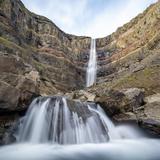
Hengifoss is one of Iceland’s tallest waterfalls and is famous for the striking red clay layers visible in the surrounding cliffs. The hike to the waterfall offers spectacular scenery along the way. Guests can hike to the waterfall and stop at nearby Litlanesfoss, known for its beautiful basalt columns.
Stuðlagil canyon
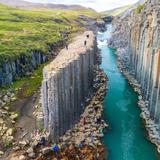
Stuðlagil Canyon is one of Iceland’s most remarkable natural wonders, famous for its towering basalt columns and striking turquoise-blue river. Once hidden beneath glacial waters, the canyon has become one of Iceland’s most photographed destinations thanks to its unique geology and breathtaking scenery. Guests can hike to the canyon viewpoints, walk along the river, and admire the dramatic basalt formations that line the canyon walls. The area offers incredible photo opportunities and a chance to experience one of Iceland’s most unique landscapes up close. For those exploring East Iceland, Stuðlagil is a must-see destination.
Vök Baths
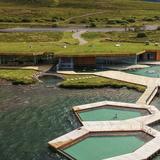
Located on the shores of Lake Urriðavatn in East Iceland, Vök Baths is a beautiful geothermal spa known for its floating pools and stunning lake views. The warm, mineral-rich water and peaceful surroundings make it the perfect place to relax and unwind while exploring the Eastfjords. Guests can soak in the geothermal pools, enjoy the sauna and cold-water tunnel, take in the scenic views of the lake, and enjoy a drink or light meal at the on-site café. For those feeling adventurous, the cold lake water offers a refreshing contrast to the warm baths for a true Icelandic spa experience.
Grímsey
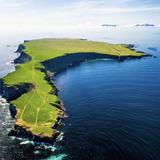
Ferry or flight Located on the Arctic Circle, Grímsey is a small island off the northern coast of Iceland known for its dramatic cliffs, abundant birdlife, and unique location. Visitors can stand on the Arctic Circle, enjoy breathtaking ocean views, and experience life in one of Iceland’s most remote communities. Guests can explore the island on foot, visit the Arctic Circle marker, watch for puffins and other seabirds, and take in the peaceful atmosphere and stunning coastal scenery. Grímsey also holds a very special place in our hearts—it is where Hildur grew up and where her grandparents lived for many years. No matter where life takes her, Grímsey will always feel like home.
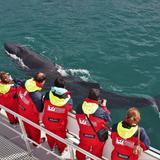
Elding Whale Watching Akureyri
Akureyri is one of the best places in Iceland for whale watching, and Elding offers guided tours through the beautiful waters of Eyjafjörður, Iceland’s longest fjord. The calm waters and rich marine life make this area an excellent location for spotting whales in their natural habitat. Guests can join a whale-watching tour to search for humpback whales, minke whales, white-beaked dolphins, and harbor porpoises while learning about the local marine ecosystem from experienced guides. Surrounded by stunning mountain scenery, a whale-watching tour from Akureyri is an unforgettable way to experience the natural beauty of North Iceland.
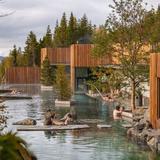
Forest Lagoon
Nestled among the trees overlooking Eyjafjörður fjord, Forest Lagoon is one of North Iceland’s most relaxing geothermal spa destinations. Surrounded by nature and offering stunning views of the fjord and surrounding mountains, it provides a peaceful escape just minutes from downtown Akureyri. Guests can soak in the warm geothermal pools, unwind in the sauna, enjoy a drink from the swim-up bar, and take in the breathtaking scenery from the infinity-edge pools. Whether you’re looking to relax after a day of sightseeing or simply enjoy a uniquely Icelandic spa experience, Forest Lagoon is a wonderful stop during your visit to North Iceland.
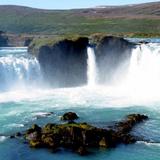
Goðafoss Waterfall
Known as the “Waterfall of the Gods,” Goðafoss is one of Iceland’s most famous and beautiful waterfalls. According to Icelandic history, the waterfall received its name around the year 1000, when Iceland converted to Christianity and pagan idols were said to have been thrown into the falls. Guests can walk to viewpoints on both sides of the waterfall, take in the powerful cascades from different angles, and enjoy the stunning scenery surrounding the Skjálfandafljót River. Located between Akureyri and Lake Mývatn, Goðafoss is an easy stop for travelers and a must-see destination in North Iceland.
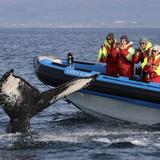
Gentle Giants - Husavik Whale Watching
Húsavík is known as the whale-watching capital of Iceland, and Gentle Giants offers unforgettable tours in the waters of Skjálfandi Bay. With a high chance of spotting whales and stunning views of the surrounding coastline, this is one of Iceland’s most popular wildlife experiences. Guests can join a guided whale-watching tour to search for humpback whales, minke whales, white-beaked dolphins, and other marine life. Tours depart from Húsavík’s charming harbor and provide a unique opportunity to experience Iceland’s incredible wildlife while enjoying the beauty of the North Iceland coastline.
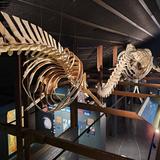
Húsavík Whale Museum
Located on Húsavík’s historic harbor, the Whale Museum offers a fascinating look into the marine life that inhabits Icelandic waters. Through informative exhibits, life-sized whale skeletons, and interactive displays, visitors can learn about the biology, behavior, and conservation of some of the world’s most incredible marine mammals. Guests can explore the museum’s impressive collection of whale skeletons, discover the different species found around Iceland, and gain a deeper appreciation for the ocean life that makes Húsavík one of the best whale-watching destinations in the world. The museum is a great addition to a whale-watching tour or a visit to Húsavík.
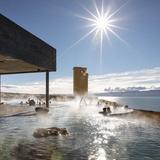
Geosea - Geothermal Sea Baths
Perched on the cliffs above Húsavík, GeoSea offers a relaxing geothermal bathing experience with breathtaking views over Skjálfandi Bay and the surrounding mountains. Unlike many of Iceland’s hot springs, GeoSea’s mineral-rich water comes from the sea, creating a unique and rejuvenating experience. Guests can soak in the warm infinity pools, unwind with a drink from the swim-up bar, and enjoy the peaceful atmosphere while taking in the stunning coastal scenery. It’s the perfect place to relax after a day of sightseeing or whale watching in North Iceland.
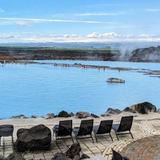
Mývatn Nature Baths
Often referred to as the “Blue Lagoon of the North,” Mývatn Nature Baths offer a relaxing geothermal bathing experience surrounded by the unique volcanic landscapes of the Mývatn region. The warm, mineral-rich waters and peaceful atmosphere make it a favorite stop for visitors exploring North Iceland. Guests can soak in the geothermal lagoon, relax in the steam baths, and enjoy panoramic views of the surrounding lava fields and mountains. Whether you’re unwinding after a day of sightseeing or simply looking to experience one of Iceland’s most beautiful geothermal spas, Mývatn Nature Baths is a wonderful place to relax and recharge.
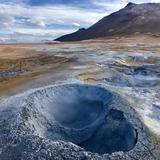
Hverir
Hverir is a geothermal area near Lake Mývatn known for its steaming vents, bubbling mud pots, and colorful mineral-rich earth. The landscape feels almost otherworldly and showcases Iceland’s powerful geothermal activity. Guests can walk through the geothermal field, observe the boiling mud pools, and experience one of Iceland’s most unique natural environments.
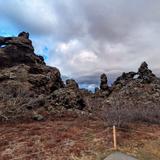
Lava field Dimmuborgir
Located in the Mývatn region, Dimmuborgir is a unique lava field filled with dramatic rock formations, caves, and winding trails. According to Icelandic folklore, it is home to the Icelandic Yule Lads. Guests can explore the walking paths, admire the unusual lava formations, and enjoy the striking volcanic landscape that makes Dimmuborgir one of North Iceland’s most fascinating attractions. The trails can be confusing so pay close attention to the signs or you may get lost.
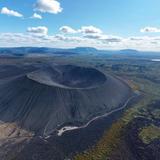
Hverfjall
Hverfjall is a massive volcanic crater located near Lake Mývatn. Formed over 2,500 years ago, it offers incredible views of the surrounding lava fields, mountains, and lake. Guests can hike to the crater rim and enjoy panoramic views of the Mývatn region from above.
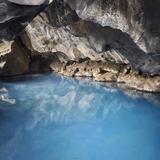
Grjótagjá cave
Grjótagjá is a small lava cave containing a beautiful geothermal spring with crystal-clear blue water. It is one of the most photographed spots in the Mývatn area and was featured in Game of Thrones. Guests can explore the cave, admire the geothermal spring, and take in the unique volcanic surroundings.
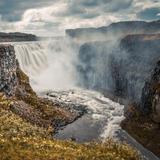
Dettifoss
Dettifoss is Europe’s most powerful waterfall and one of Iceland’s most impressive natural attractions. The immense force of the water creates a dramatic and unforgettable sight. Guests can walk to several viewpoints, experience the power of the falls up close, and explore the surrounding canyon landscape.
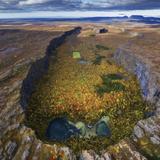
Ásbyrgi canyon, Iceland
Ásbyrgi is a stunning horseshoe-shaped canyon located within Vatnajökull National Park in North Iceland. Surrounded by towering cliffs and lush vegetation, it is one of the country’s most unique and peaceful natural attractions. According to Icelandic folklore, the canyon was formed by the hoofprint of Odin’s eight-legged horse, Sleipnir. Guests can explore the scenic walking trails, visit the tranquil pond at the heart of the canyon, enjoy a picnic surrounded by nature, or hike to viewpoints overlooking the canyon’s dramatic cliffs. With its rich history, beautiful landscapes, and peaceful atmosphere, Ásbyrgi is a wonderful destination for visitors of all ages.
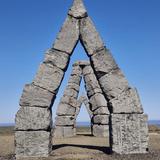
Arctic Henge
Located in the small village of Raufarhöfn, Arctic Henge is a unique stone monument inspired by Norse mythology, Icelandic poetry, and ancient astronomy. Often compared to Stonehenge, this remarkable structure was designed to capture sunlight and cast shadows in alignment with the seasons, creating a fascinating blend of art, history, and nature. Guests can walk among the impressive stone arches and towers, learn about the mythology and symbolism behind the monument, and enjoy the dramatic landscapes of Iceland’s far north. Its striking design and remote location make it one of Iceland’s most unique and memorable attractions.
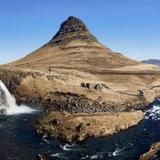
Kirkjufell
Kirkjufell is one of Iceland’s most famous mountains and one of the most photographed landmarks in the country. Located on the Snæfellsnes Peninsula, its distinctive shape rises dramatically above the surrounding landscape, creating a truly unforgettable sight. Guests can visit the nearby Kirkjufellsfoss waterfall, walk the surrounding trails, and enjoy stunning views of the mountain from a variety of viewpoints.
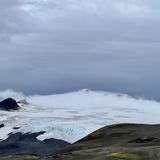
Snæfellsjökull
Located at the western tip of the Snæfellsnes Peninsula, Snæfellsjökull National Park is home to one of Iceland’s most famous glaciers and volcanoes. Rising above the surrounding coastline, Snæfellsjökull Glacier has inspired countless stories and legends, including Jules Verne’s Journey to the Center of the Earth. Guests can explore dramatic lava fields, black sand beaches, volcanic craters, lava caves, and scenic coastal cliffs while enjoying spectacular views of the glacier-covered volcano. Popular stops within the park include Djúpalónssandur Beach, Lóndrangar sea cliffs, and Vatnshellir Cave. The park offers a unique combination of geological wonders, wildlife, and breathtaking scenery. With its diverse landscapes and iconic glacier, Snæfellsjökull National Park is one of Iceland’s most remarkable destinations and a highlight of any visit to West Iceland.
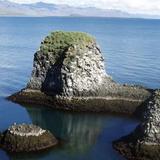
Arnarstapi
Arnarstapi is a small coastal village on the Snæfellsnes Peninsula known for its dramatic cliffs, lava formations, and abundant birdlife. Guests can walk the coastal trail, admire the sea cliffs and rock arches, and enjoy views of the rugged coastline.
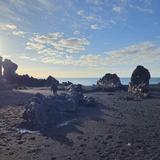
Djúpalónssandur
Djúpalónssandur is a striking black pebble beach located within Snæfellsjökull National Park. The beach is known for its dramatic lava formations, shipwreck remains, and powerful Atlantic waves. Guests can explore the beach, view the historic lifting stones used by fishermen, and admire the rugged coastal scenery.
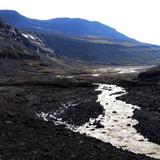
Drangajökull
Drangajökull is the northernmost glacier in Iceland and one of the most remote natural wonders in the Westfjords. Surrounded by rugged mountains and untouched wilderness, it offers a glimpse into some of Iceland’s most pristine landscapes. Guests can admire the glacier from nearby viewpoints, explore the surrounding hiking trails, and experience the dramatic scenery of the Hornstrandir region. With its remote location and breathtaking views, Drangajökull is a unique destination for those looking to experience Iceland’s wild and unspoiled nature.
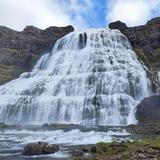
Dynjandi
Often considered the most beautiful waterfall in the Westfjords, Dynjandi is a breathtaking series of cascading falls that tumble down the mountainside. Resembling a bridal veil, the waterfall widens as it descends, creating one of Iceland’s most iconic and impressive natural landmarks. Guests can take a short hike from the parking area to the main waterfall, passing several smaller waterfalls along the way. The trail offers stunning views of the surrounding mountains and fjords, making it a rewarding stop for photographers and nature lovers alike. A visit to Dynjandi is a must for anyone exploring the Westfjords.
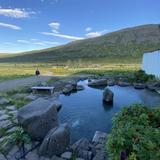
Heydalur
Located in a secluded valley in the Westfjords, Heydalur is a family-run guesthouse surrounded by mountains, rivers, waterfalls, and beautiful natural scenery. It is a popular stop for travelers looking to relax and experience Iceland’s wilderness. Guests can enjoy the geothermal pool, go hiking, kayaking, horseback riding, or fishing, and take in the peaceful surroundings. With its unique location and wide range of outdoor activities, Heydalur offers a memorable way to experience the natural beauty of the Westfjords.
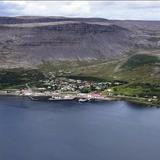
Tálknafjörður
Tucked away in the heart of the Westfjords, Tálknafjörður is a peaceful fishing village surrounded by mountains, waterfalls, and a beautiful fjord. Known for its quiet charm and stunning natural scenery, it offers visitors an authentic experience of life in one of Iceland’s most remote regions. Guests can enjoy scenic walks along the fjord, explore the surrounding mountains, visit nearby hot springs, or simply relax and take in the breathtaking views. Tálknafjörður also holds a special place in our hearts, as it is where Hildur’s grandmother is from. If you’re staying at the campsite, be sure to chat with the owners and staff—they are incredibly knowledgeable about the area and can recommend local attractions, scenic drives, hiking trails, hidden gems, and other things to see and do during your visit.
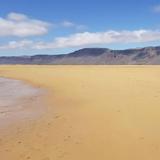
Rauðisandur
Rauðisandur is a breathtaking red-sand beach located in the Westfjords, stretching for nearly 10 kilometers along the coastline. Unlike Iceland’s famous black sand beaches, Rauðisandur is known for its unique golden and reddish hues, which change with the light, tides, and weather conditions. Guests can take a peaceful walk along the beach, enjoy the stunning views of Breiðafjörður Bay, watch for seals resting along the shoreline, and experience the tranquility of one of Iceland’s most beautiful and secluded landscapes. With its vast open spaces and dramatic scenery, Rauðisandur is a truly unforgettable destination in the Westfjords.
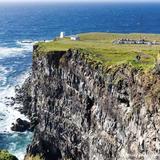
Látrabjarg
Látrabjarg is the westernmost point of Iceland and one of Europe’s largest bird cliffs. Stretching for miles along the coastline, these dramatic sea cliffs offer breathtaking views of the Atlantic Ocean and are home to millions of nesting seabirds. Guests can walk along the cliff edges, take in the spectacular coastal scenery, and observe a variety of bird species, including puffins during the summer months. With its rugged beauty, abundant wildlife, and unforgettable views, Látrabjarg is one of the most remarkable natural attractions in the Westfjords.
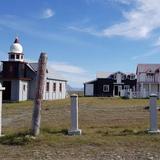
Selárdalur art gallery
Roads are gravel, very thin and steep in some places Hidden in a remote valley in the Westfjords, Selárdalur is home to one of Iceland’s most unique and unusual outdoor art installations. Created by Icelandic artist Samúel Jónsson, often known as the “Artist with the Child’s Heart,” the site features colorful sculptures, mosaics, and imaginative concrete structures set against a backdrop of mountains and open countryside. Guests can wander through the outdoor gallery, explore the whimsical artworks, learn about the fascinating story behind the artist and his creations, and enjoy the peaceful surroundings of the valley. Selárdalur is a truly one-of-a-kind destination that combines art, creativity, and Icelandic nature in an unforgettable setting.