
Venue
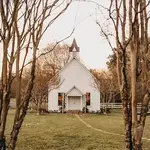
1905 Chapel
This church, which stood on the corner of Townsend Street and South Fredonia (Highway 7) one block west of South Street, was established in 1905 according to the Deed Records of Nacogdoches County. Free Methodists were an independent lot who did not agree with all the Methodist doctrines or practices – particularly that of charging a fee for use of a pew. The church disbanded sometime after WWII as membership dwindled and gas rationing made travel prohibitive for the circuit preachers that serviced the congregation. This church did not have a steeple until it was moved to Millard’s Crossing because a bell was a luxury many small congregations could not afford.
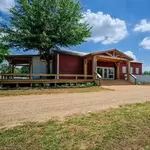
The Rebellion Barn
The original structure was built around the 1950s. This is a relatively new building compared to the others found at Millard's Crossing. As they began renovations, hidden treasures were found within this barn. The original hardwood floors had been covered and are now a beautiful feature of the venue. Another clue to the history of the structure was a large chamber found underneath the barn. This may have been an elevator pit for grain, or simply a storage vessel.
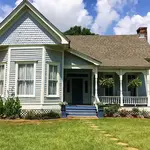
Watkins House
The Watkins Reception House was built in 1895 by Lera Thomas' maternal grandfather and reflects the practice of modifying a vernacular house with Victorian architectural features. The original floor plan was a standard rectangular farmhouse with a dog-trot, or breezeway through the center. This house also features a back porch well that is still displayed at the village. The home was made more stylish by adding a bay window parlor and front porch with "gingerbread" detailing.
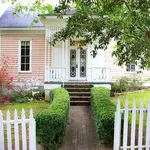
Parsonage
Once a home to the local church minister, the Methodist Parsonage at Millard's Crossing was built in 1900. This house was originally located downtown on North Fredonia Street, around the corner from the First Methodist Church. The wooden trim on the doors, windows, and moldings feature typical Eastlake Victorian style. The high ceilings allow hot air to rise while the cooler air drops below for cooling in the summertime. This is a house that is “not all there.” The rear portion of this house had so badly deteriorated that much of it could not be moved, and Mrs. Thomas replaced the missing portion with a modern kitchen so that she might use the structure as a guest house for visiting friends and family.
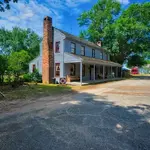
1837 Millard-Lee House
Built in 1837, this is their oldest house in the village. The structure was originally located just off the square on South Fredonia Street, where the parking lot for Regions Bank is now located. After its construction by Robert Millard, great-grandfather of Mrs. Thomas, the home was purchased by the Lee family, whose daughter Emily lived in the house until her death in 1970. Built as a family home and boarding house, the Millard-Lee house is a rare East Texas example of the “two-story double house” (one side a mirror image of the other) and is furnished with a widely eclectic collection of 19th century antiques. It also houses an excellent collection of historic documents from the area. This home was one of the earliest milled timber buildings constructed in Nacogdoches, and rooms were large enough to accommodate boarders when necessary. This house features a "double entry staircase" utilized by servants and family to attend to the upstairs sleeping quarters from the kitchen.
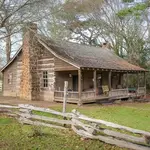
Watkins Log House
The Watkins Log Cabin was one of the first buildings brought to Millard's Crossing. This house was built by Mrs. Thomas's great uncle on her mother's side of the family and was originally located in the Watkins settlement - about 12 miles northwest of Nacogdoches near the Mahl community. The Log Cabin was built in 1842. This was evidenced by the discovery of two 1842 dimes found face to face in a notch between the joist and the door sill which came loose when the building was being moved! It is known as a "square" log house because the logs were squared off with a broad axe and adz. This practice helped block East Texas moisture from collecting in the cracks between the logs, thus preventing rot. Square logs could be covered with milled lumber later on in an effort to improve the look of the house and better insulate it against the weather. The stacked log fence surrounding this log house once protected "Mama's vegetable garden" from the livestock.
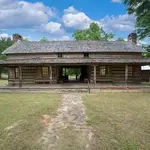
1843 Sitton Dog Trot
The Sitton Dog Trot, built in 1843, was originally located about five miles down CR 698 west of Central Heights. It was built by William and Susan Hayter who came to Texas in 1842. Their youngest daughter married into the Sitton family, and the house was donated to Millard’s Crossing by Sam Sitton, who lived on the property until his death. "Dog Trot" is the name given to the open breeze way from the front to the back of the house. Often, this covered area was cooler in the summer than other parts of the house. This made it a perfect place for chores like shelling peas or shucking corn.
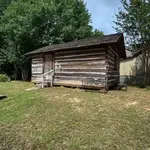
School House
The Log School House at Millard's Crossing was reconstructed in 1999. The log school house reflects the rural practice of utilizing existing buildings for schools - which were leased, donated, or abandoned by their owners. A building was chosen for its convenient location within a 5 mile radius. Most children attended school for "short session" only, due to an extensive growing season and the demands of farm labor.
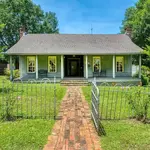
Burrows House
The Burrows House, built in 1867, was originally located where Nacogdoches Medical Center now stands, about 1/2 mile south of Millard's Crossing. The style of this house is so typical of this area that it is often called "The East Texas House". Because of the long enclosed entryway, some observers assume that it was once a dog trot. However, the two rooms and fireplace in back comprised the original house, while the front two rooms were added several years later to provide a parlor with a separate entrance so guests could be ushered into the "good room". The home also features a well on the back porch - a real convenience in the 19th century!
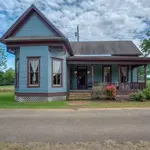
Henry Millard House
The Henry Millard House is a Victorian home built circa 1900 that stood on North Street and Austin, just north of the fire station. This building is home to Millard's Crossing textile exhibit, where they host demonstrations and display a variety of tools that have been used to produce items that were beautiful as well as functional. Many handmade quilts and articles of vintage clothing are on display highlighting various forms of lace, embroidery, and embellishments of a bygone era. Looms, spinning wheels, sewing machines, vintage irons, fabric pleaters, bobbin lace pillow, and other items showcase some of the tools used in the 1800s.
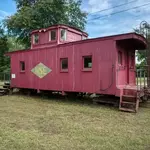
1905 Caboose
This wooden caboose was donated to Millard's Crossing by the Bussa family. In 1905, the E.B. Hayward Lumber Company chartered the train, including this caboose, to haul logs out of the East Texas bottom land forests. It became known as the Nacogdoches and Southeastern Railroad Line as its daily run went south to oil springs and then east to the Attoyac bottoms. The railroad line was later acquired by the Frost-John Lumber Company and was used to provide transportation of goods and commodities as well as passenger service between Nacogdoches and San Augustine until the 1950s. The fare was 25 cents and the train depot was located on South Fredonia Street near Lanana Creek. The caboose had a bed so the crew members could sleep. It also held a small stove, suitable for both warmth and cooking.
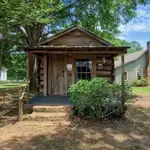
The Log Office
This small log structure was built as a land office and was located on the first county road going east from Highway 59, north of the Appleby water tower. It has served many purposes over the years and is typical of the size and style of most offices in the 19th century East Texas. After the Civil War, milled lumber and brick were more affordable and easier to attain; thus; fewer people built log offices such as this one in later years.
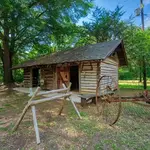
Double Corn Crib
This log structure is one half of a double corn crib from the Millard farm. The other half is now part of the Country Store. The structure originally had no chinking between the logs so circulating air would keep the corn dry while stored there. Corn was an important staple of the economy. The crib now displays a wide variety of early woodworking tools - - many of them handmade. This is one of our living history locations, where you might get to see the tools in use! Millard's Crossing has constructed an addition to the corn crib that holds a blacksmith's forge. This is also a living history site, where you might find someone working red hot metal into necessary objects that pioneers required.
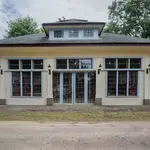
Carriage House
Built in 1910, this Craftsman style structure was a carriage house located behind the Hayter home on the corner of North Street and East Starr. It was built to shelter draft horses and carriages. This structure survived the transition to automobiles and became a garage before finally making its way to Millard's Crossing.