The History of Lowndes Grove
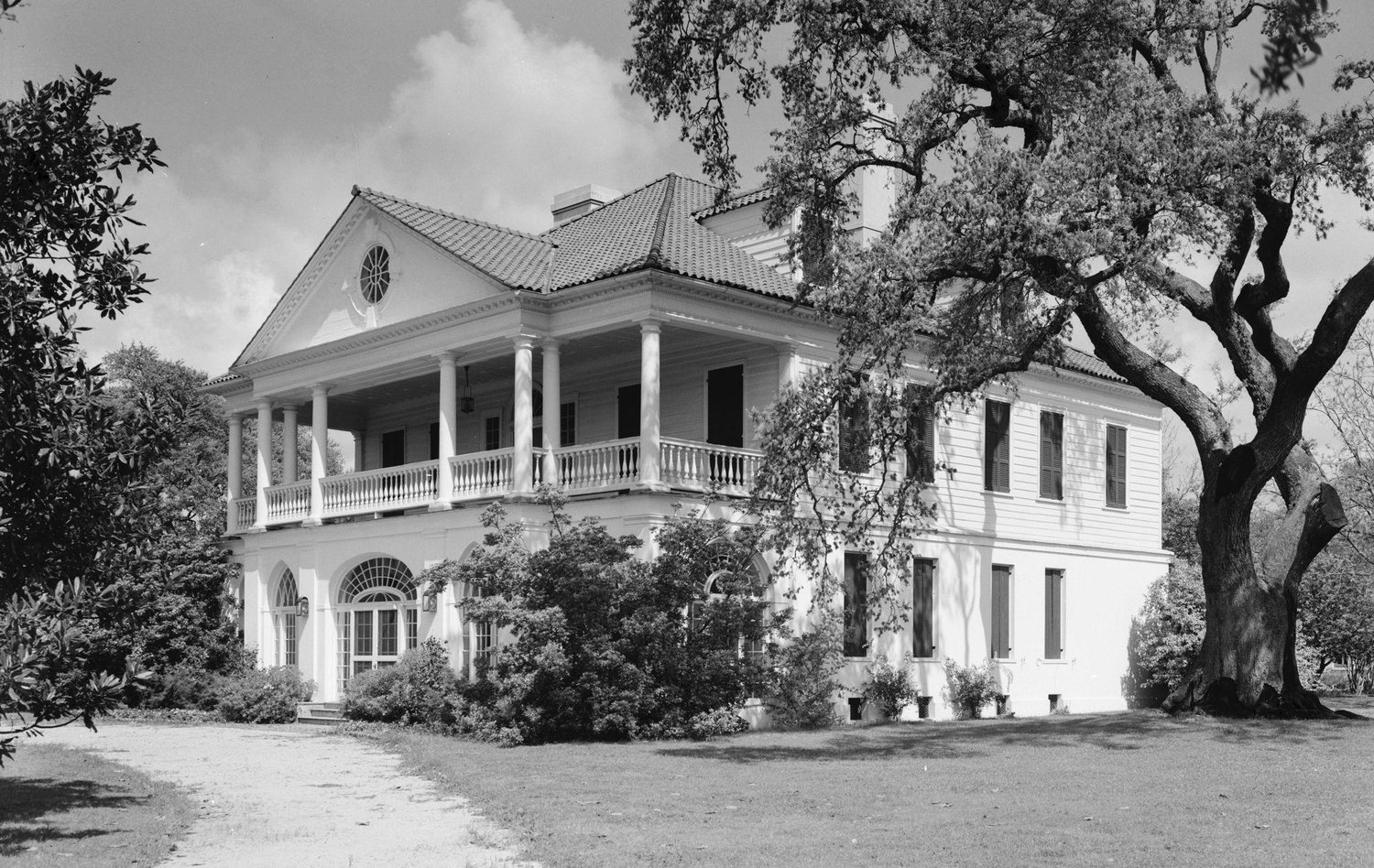
Orange Grove
Pre 1786
A botanist's paradise - Long before it bore its famous name, the property was a 230-acre tract called Orange Grove, owned by John Gibbes — an avid botanist who filled the land with extensive greenhouses and cultivated gardens. In 1779–1780, British forces landed directly at the estate's dock to lay siege to Charleston. Before moving on, they burned the Gibbes home to the ground. The land sat scorched — waiting for whoever would rebuild it.
Rebuilding & Notoriety
1786-1802
George Abbott Hall raises the frame In 1786, the land was subdivided. George Abbott Hall — a merchant who became South Carolina's first federal collector of customs — purchased the northern parcels and built the frame of the main house that stands today. Grounds for settling scores The estate's secluded grounds became a favored site for duels among the Charleston gentry. Among the most notable: a confrontation between Revolutionary War Generals Christopher Gadsden and Robert Howe. Denmark Vesey walks this land The property passed through the Beaufain brothers — who renamed it Wedderburn Lodge — and then to Mary Clodner Vesey. During this period, Denmark Vesey worked as a domestic servant on the estate. He would later win a lottery, purchase his freedom, and go on to organize the most ambitious slave uprising in American history in 1822.
The Lowndes Era
1803-1900
William Lowndes gives the estate its name In 1803, U.S. Congressman William Lowndes purchased the plantation and lent it the name it carries to this day. Lowndes was a towering figure in early American politics — nominated for the U.S. Presidency in 1821, he died before the election could take place, mourned as a man of rare integrity. Greek columns meet Gothic ambition Around 1830, the house was substantially transformed. New owners expanded it to the rear and added the iconic five-bay piazza with Doric columns — a confident blending of Greek Revival grandeur with Gothic Revival detail that defines the mansion's character today.
World's Fair & a President
1901-1963
The Woman's Building Industrialist Frederick W. Wagener transformed the surrounding 250 acres into the fairgrounds for the South Carolina Inter-State and West Indian Exposition of 1901–1902. Lowndes Grove mansion became the exposition's Woman's Building — hosting art exhibitions, historical displays, and a personal stay from President Theodore Roosevelt.
The DAR Years
1964-2000
A bequest and a mission Upon James Sottile's death in 1964, Lowndes Grove was donated to the Daughters of the American Revolution (DAR). For 36 years, the DAR occupied the estate, hosting regional chapter meetings, protecting historical artifacts, and standing as guardians of Charleston's layered past. The National Register It was under the DAR's careful stewardship that the property received its highest formal recognition. In 1978, the organization successfully petitioned the federal government, and Lowndes Grove was placed on the National Register of Historic Places — cementing its status as one of the most historically significant estates in South Carolina.
Restored & Alive Today
2000 - Present
Meticulously restored by Patrick Properties in early 2000, Lowndes Grove preserves its original 1786 heart-pine floors and rare spiral staircase — a living landmark now welcoming new celebrations on the same grounds that witnessed so much of American history.