Gabriella & Sean
Things To Do
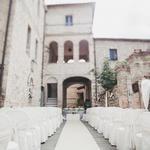
Castello di Montignano
Location of the wedding and pizza party!

Gusto Wine Tours
A wine tour that some of us have done more than once, highly recommend a half or full day tour! With Gusto Wine Tours you will visit hidden-gem wineries, meeting the winemakers and their families! You will taste the incredible, unique red wine of Umbria, Sagrantino di Montefalco DOCG.

Antonelli - Cooking Classes / Tastings / Tours
This comes highly recommended by the bride and groom, Wendy is lovely to work with and a pleasure to spend a few hours in the kitchen learning from! A hands-on approach is favoured in the kitchen where firsthand experience is the essence to learning. You will learn the art of making potato gnocchi, homemade pasta and taste dishes scented with wild aromatic herbs and dressed with organic extra virgin olive oil. All our recipes are exquisite and simple to make. We will also touch upon the relevance of pairing food with wine. And the Antonelli wines will be appreciated even more after a stroll to the cellar and vineyards. A selection of our wines will complement the menu.
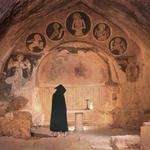
Narni Underground Tour / Narni Sotterranea
The visit to the underground rooms is no conventional tour, it’s history goes back centuries to the foundation of the Inquisition or Saint Uffizio as it was more commonly known, but it’s a history which still has strong links to the present. Narni Underground is a collection of recently discovered rooms, some of which can be visited.
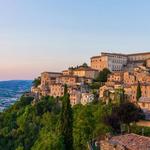
Todi
A collage of soft-stone houses, palazzi and belfries pasted to a hillside, Todi looks freshly minted for a fairy tale. Wandering its steep backstreets is like playing a game of medieval snakes and ladders. The pace of life inches along, keeping time with the wildflowers and vines that bloom and ripen in the valley below.
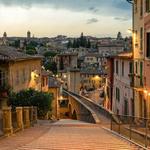
Perugia
This picturesque Umbrian city has a history that spans many eras. The city wall and arch are Etruscan; the sixth-century Sant'Angelo church was built atop a Roman temple; the town's cathedral is both Gothic and Renaissance. If you have a sweet tooth, visit the famous Perugina chocolate factory; if you have a full set of sweet teeth, visit during the Eurochocolate festival, held in October, when the entire town reportedly smells of chocolate.
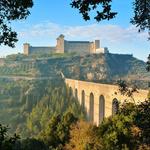
Spoleto
A wonderful mix of remnants from its Roman and medieval pasts, Spoleto’s history actually goes back further to Bronze Age Umbria. Today, it’s best known for its annual summer Festival dei Due Mondi (Festival of Two Worlds or Spoleto Festival), honoring music, opera, theater and dance. Among the city’s many excellent historic sights are its first-century Roman amphitheatre, the 12th-century Duomo, 13th-century Ponte delle Torri aqueduct and the 14th-century hilltop fortress, Rocca Albornoziana.
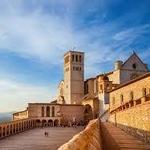
Assisi
Best known as the birthplace of St. Francis, Italy's patron saint, Assisi lies amid Umbria's rolling hills. Religious pilgrims have come here for centuries to visit the Basilica of San Francesco (where St. Francis is buried) and the Basilica of Santa Chiara (to see the tomb of St. Clare). Visit the Eremo delle Carceri to see caves where medieval hermits withdrew from the world. (You may find such solitude quite appealing—especially if you're here on a daytrip from the Castello!)
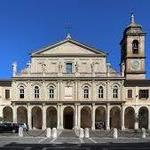
Terni
Terni is not only the city of steel mills, iron and fire, but a community that hides away plenty of surprises in its millenary history. A modern city that merges well with its ancient center, Terni is surrounded by scenes that have continued to enchant visitors over the centuries. A verdant terrain with Medieval villages (for instance, the lovely San Gemini), the wonders of nature are everywhere to be found, including the Marmore Falls and Lake Piediluco. Terni is also the city of St. Valentine, protector of lovers. Indeed the Basilica that preserves his tomb is an important destination for pilgrims, while every year the entire city holds grand celebrations for their patron saint, culminating in his feast day on February 14th.
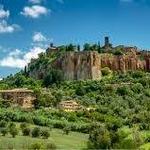
Orvieto
Getting to hilltop Orvieto is half the fun, with the choice of ascending by escalator or funicular cable car. The strategically built old town is free from modern-day traffic, inviting visitors to enjoy a taste of medieval Umbria—and a glass of famous Orvieto Classico wine.
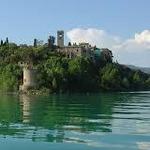
Lago Trasimeno
A splash of inky blue on the hilly landscape, Lago Trasimeno is where Umbria spills over into Tuscany. Italy's fourth-largest lake is a prime spot if you want to tiptoe off the well-trodden trail and slip into the languid rhythm of lake life. All around the 128-sq-km lake, olive groves, woods of oak and cypress trees, vines and sunflower fields frame castle-topped medieval towns, such as Castiglione del Lago and Passignano, draped along its shores like a daisy chain.