Things To Do

Viejo San Juan
Old San Juan is home to the San Juan National Historic Site, with buildings dating from the 16th century, including the San Felipe del Morro and San Cristóbal fortresses and the old city walls. Get a taste of one of Puerto Rico's most unique cultural areas, walk through the colorful streets on the way to El Morro, and grab some delicious food at the many local eateries. Recommend doing a walking tour (https://www.elcayito.com/tours)!

Ocean Park Beach
This is the closest large public beach near the recommended hotels and wedding venue.
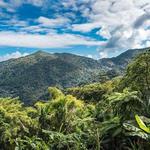
El Yunque National Forest
El Yunque is the only tropical rainforest in the U.S. National Forest Service, and one of Puerto Rico's most beloved natural gems.

Toro Verde Adventure Park
Toro Verde is the largest adventure park in the Caribbean and Americas where you can enjoy the beautiful landscapes that will leave you breathless, with a spectacular view of the mountains of Orocovis and spend time experiencing the most exciting tours full of adrenaline to enjoy with friends and family.
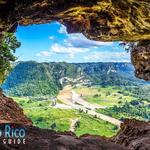
Cueva Ventana (Window Cave)
Cueva Ventana is a large cave situated atop a limestone cliff in Arecibo, Puerto Rico, overlooking the Río Grande de Arecibo valley.

Culebra Island
Culebra is a small, sparsely populated island and surrounding group of cays off the east coast of Puerto Rico. You can get to it by taking a short, 10-minute flight or a 40-minute ferry from Fajardo, PR.
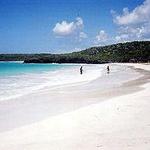
Vieques Island
Vieques is a Caribbean island off Puerto Rico's eastern coast. It's known for boat tours of Bioluminescent Bay (or Mosquito Bay), where microorganisms give the water a blue-green glow. It also offers secluded beaches and snorkeling.

Bahia Bioluminiscente
There are three bioluminescent bays (bio bays) in Puerto Rico — Mosquito Bay in Vieques, Laguna Grande in the north-east in Fajardo, and La Parguera in the south-west in Lajas. They are famous for its bioluminescence produced by the dinoflagellate Pyrodinium bahamense, which glows blue when agitated.

Casa Bacardi
Renowned rum distillery featuring historical tours, mixology classes, tastings & an outdoor patio.

Laguna del Condado
Paddle boarding, kayak & bike rental in the San Juan/ Condado area.
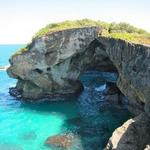
Cueva del Indio
Cueva del Indio, in Las Piedras, Puerto Rico, is a prehistoric rock art site in what is now a public park. It was listed on the National Register of Historic Places in 2003. Artifacts at the site appear to stem from Late Ceramic Period, third phase, i.e., from A.D. 1200 to 1500.