Plan Your Island Escape
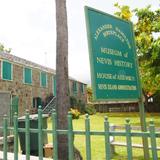
The Alexander Hamilton Museum
The Alexander Hamilton Museum (part of the Museum of Nevis History) is located in Charlestown, Nevis, with entrances on Low Street and Main Street, near Samuel Hunkins Drive. It's a reconstruction of his birthplace, showcasing exhibits on Hamilton and Nevis' history, and is a key attraction managed by the Nevis Historical and Conservation Society (NHCS). Museum Hours: https://www.nevisheritage.org/visit
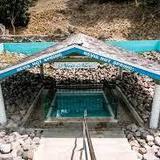
Nevis Hot Springs
The Nevis Hot Springs, naturally heated by the island’s dormant volcano, serve as both a geological wonder and a sacred space of continuity for the Nevisian people. For centuries, the mineral-rich waters—infused with sulfur, magnesium, and calcium—were utilized by enslaved Africans as a vital, self-managed resource for healing the physical toll of plantation labor. This tradition persisted through Emancipation, as the springs became the heart of Bath Village, a community where residents maintained distinct bathing areas, such as the "Man Bath" and "Women Bath," as a form of communal heritage and daily life. As of 2026, the springs have been revitalized into a modernized "wellness oasis." The site now features a welcoming center, tropical landscaped gardens, and a dedicated snackette called the Springs Café, all while maintaining free public access 24/7. The Nevis Hot Springs remain a living testament to African resilience and the island's enduring connection to the earth.
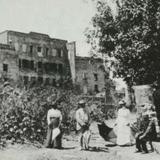
Historic Nevis Bath House Hotel
The Bath Hotel was built around 1800. In its heyday, it was an elegant hotel that served as a playground for the wealthy planters of Nevis and the entire Caribbean, who flocked to its therapeutic hot spring waters. The Bath Hotel is among the December 2022 Historic preservation is back in focus with our recent grant from the U.S. Department of State's global Ambassadors Fund for Cultural Preservation programme for the urgent conservation and stabilisation of Nevis’ iconic Bath Hotel Prestigious Grant for the Conservation of Bath Hotel, noted for its remarkable scale, design, and setting. The hotel was constructed over the site of the island’s largest volcanic hot springs, which contain minerals of medicinal value. The thermal springs are unique in that they have been continuously used from Amerindian times to the present, and even more so in that they are a place of memory associated with the adaption and survival of enslaved Africans. https://www.nevisheritage.org/bath-hotel-people
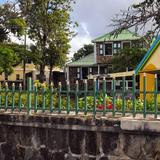
Nevis Historical Walking Tour
Experience the highlights of Nevis without the hours of research time on this private historical walking tour. A guide explains more about the history of the local area and its most important sights. Visit Alexander Hamilton House, Charleston Methodist Church, the Nevis Jewish Cemetery and Charleston; then, finish the tour with a walk around the Museum of Nevis History.

Group or Private Yoga and Meditation Sessions in Nevis
There's no better way to unwind than with a yoga class on the beach—an active yet restorative way to spend your time on vacation. Take part in a small-group yoga flow and receive personalized attention from your teacher as move around the mat. You can opt for a private class to get focused instruction, and even choose where to practice—including your own villa or accommodation.
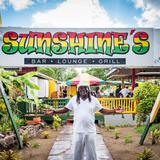
Sunshine's Beach Bar & Grill
Famous for our tasty rum punch, The Killer Bee, and the best food on the island!
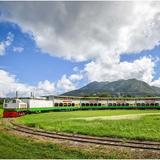
St. Kitts Scenic Railway
The St. Kitts Scenic Railway takes passengers on a 3-hour tour that makes a 30-mile circle around the beautiful Eastern Caribbean island of St. Kitts, with 18 miles by narrow gauge train and 12 miles on sightseeing buses. Built between 1912 and 1926 to transport sugar cane from the island’s sugar plantations to the sugar factory in the capital city of Basseterre, today the “Last Railway in the West Indies” provides visitors an unsurpassed opportunity to experience the scenery and culture of this unspoiled country.
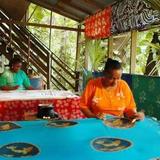
St. Kitts Caribelle Batik (Plantation Grounds of Thomas Jefferson's Great Great Grandfather)
Caribelle Batik is a renowned company in St. Kitts, located at historic Romney Manor, known for creating vibrant, handcrafted textiles using traditional Indonesian wax-resist dyeing methods adapted with unique Caribbean flair since 1976. Visitors can tour the lush gardens, watch artisans demonstrate the intricate process of applying wax and dye, and purchase durable, colorful clothing, accessories, and wall hangings inspired by the island's natural beauty. Romney Manor was a prominent sugar plantation that relied on the labor of enslaved Africans for over a century until emancipation in 1834. Today, it is home to Caribelle Batik, a business operating on the site of the original 17th-century estate established by Samuel Jefferson II, the great-great-great-grandfather of Thomas Jefferson.
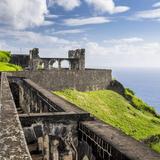
Brimstone Hill Fortress National Park
Brimstone Hill Fortress National Park is an outstanding, well-preserved example of 17th- and 18th-century military architecture in a Caribbean context. Designed by the British and built by African slave labour, the fortress is testimony to European colonial expansion, the African slave trade and the emergence of new societies in the Caribbean. Travel the island’s main road and learn the historic stories heading up to the UNESCO World Heritage Site Brimstone Hill Fortress, a monument to the ingenuity of the British military engineers who designed it and to the skill, strength and endurance of the African slaves who built and maintained it. One of the best preserved historical fortifications in the Americas, it is located on the island of St. Kitts in the Federation of St. Christopher (St. Kitts) and Nevis in the Eastern Caribbean.
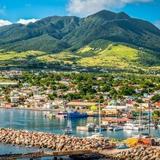
St. Kitts's Capital City: Basseterre
Basseterre is the charming capital city of St. Kitts, a Caribbean island nation that perfectly combines a rich history with white and black sand beaches, lush mountains, warm waters and a pure vacation vibe. The very, walkable capital is filled with interesting shops, beautifully maintained colonial homes, eclectic art galleries and palm-tree lined courtyards, making it a lovely stop on the island. In the heart of the city is Independence Square, constructed in 1790. Originally used for council meetings and slave auctions, the square is now a symbol of the island’s independence from Britain and enjoys now being a lively gathering place for locals and their families. The story of the capital comes alive at the National Museum, which is housed in the late 19th-century Old Treasury Building. Diverse exhibits focus on the heritage and history of St. Kitts and Nevis, walking visitors through the eras of slavery, sugar production, rebellion and, finally, independence.
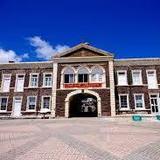
The National Museum of St. Kitts
The National Museum of St. Kitts, housed in the historic 1894 Old Treasury Building in Basseterre, offers a journey through the island's history, covering indigenous peoples, the sugar/slave trade, independence, and vibrant local culture through artifacts, photos, and exhibits in its galleries. It's a key cultural site showcasing colonial history, the road to nationhood, and traditions like Carnival, though some visitors note it relies heavily on informational displays rather than extensive artifact collections.
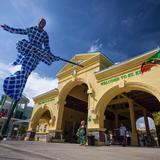
St. Kitts Port Zante
Port Zante Marina offers secure, well-equipped berthing facilities for yachts and smaller vessels, providing direct access to St. Kitts’ vibrant waterfront. Whether you’re stopping over for a short stay or looking for a long-term docking solution, we ensure smooth, hassle-free marina services backed by a knowledgeable and professional team. Our marina is designed to meet the needs of modern boaters, offering fueling stations, freshwater supply, on-site customs and immigration clearance, and essential maintenance support. With a prime location in Basseterre, you’re just steps away from duty-free shopping, local markets, fine dining, and cultural attractions.
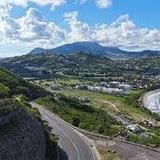
Timothy Hill Overlook
Timothy Hill Overlook is probably the best spot to capture stunning views of Saint Kitts' southeast peninsula. This famous tourist attraction offers a 360-degree view of the Atlantic Ocean, the Caribbean Sea, the island of Nevis and the hilly peninsula itself. It can be easily accessed when driving from Basseterre towards Cockleshel beach. Since it's quite popular, it can get crowded, but the views are breathtaking and most importantly, visitors can see where the Caribbean and Atlantic oceans meet.
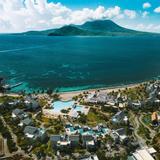
Day Pass at Park Hyatt St. Kitts Christophe Harbour
Experience the elegant Park Hyatt St. Kitts pools, lawn games and beach without staying overnight by purchasing a day pass.

The Strip in Frigate Bay St. Kitts
The Strip in Frigate Bay, St. Kitts is a lively destination that combines stunning beaches, vibrant nightlife, and delicious dining options. Perfect for tourists seeking relaxation and excitement!